



AANHPI Women’s Equal Pay Day
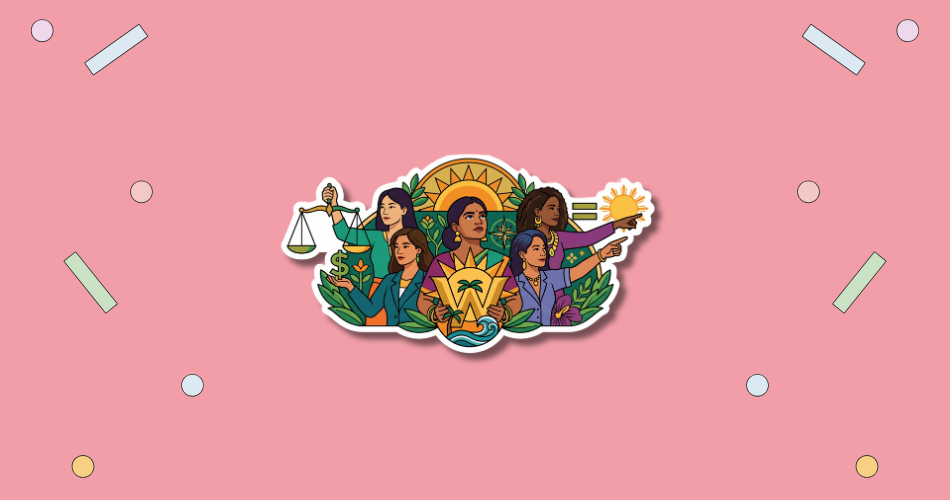
AANHPI Women’s Equal Pay Day is observed on a variable date calculated annually to represent how far into the current year AANHPI women must work to earn what white, non-Hispanic men earned the prior year. In 2026, it falls on April 9. This day highlights the specific economic disparities faced by Asian American and Pacific Islander women in the United States. It serves as a reminder that the gender wage gap is compounded by racial and ethnic factors. 1
Contents
See also: Equal Pay Day, Native Women’s Equal Pay Day
HT Meter
Does this day matter to you?
Say that it does, and say whether you will be marking it. Both are anonymous to nobody but kind to everybody.
This day matters to me
0 Be the first to say so
Quietly remembered
0 Nobody has said so yet
Notes of remembrance
Join those marking this day to share a word, a memory, or the reason it matters to you.
These notes are kept for the people marking this day. Say you will be marking it to read them and to leave your own.
You have already shared a note here recently.
No notes yet. Yours would be the first.
History of AAPI Women’s Equal Pay Day
The concept of Equal Pay Day was established in 1996 by the National Committee on Pay Equity as a public awareness event to illustrate the gap between men’s and women’s wages. Originally, the date was calculated as a single average for all women. However, advocates eventually realized that a broad average failed to account for the significantly wider wage gaps experienced by women of color. This realization led to the creation of specific days for different communities, including Asian American and Pacific Islander women.

Equal Pay Day
Recently, the focus of the day has shifted toward data disaggregation. While some AANHPI subgroups earn close to the wages of their white male counterparts, others face some of the steepest pay gaps in the country. Groups such as the National Asian Pacific American Women’s Forum use this day to push for legislative changes like the Paycheck Fairness Act. The goal is to move beyond general awareness and secure concrete legal protections that ensure salary history is not used to perpetuate lower wages for minority women.
Why is AANHPI Women’s Equal Pay Day important?
This observance is vital because it challenges the model minority myth, which often suggests that all Asian Americans have achieved high levels of financial success. By highlighting the wage gap, the day exposes the economic reality for many AANHPI women who work in low-wage service industries or frontline roles. It brings attention to the fact that cultural barriers and limited language access can often hinder the ability to negotiate for fair compensation.
Economic equity for AANHPI women directly affects the stability of their families and the broader economy. Many women in these communities are primary breadwinners or support large, multigenerational households. When they are underpaid, it results in a massive loss of lifetime earnings that could otherwise be used for healthcare, education, and retirement. Addressing these inequities encourages employers to implement transparent hiring practices and helps build a more inclusive workforce.
- It reveals the specific economic challenges faced by diverse Asian ethnic subgroups.
- The day provides a platform to advocate for national wage transparency laws.
- It helps debunk the model minority myth by showing real income data.
- Closing the pay gap increases the financial security of immigrant families.
- The observance encourages companies to perform internal audits for racial and gender pay equity.
How to Observe AANHPI Women’s Equal Pay Day
Make it yours
How would you like to spend AANHPI Women's Equal Pay Day?
Tick what fits you, and we will put together ideas made for this day — not for any day.
International Equal Pay Day
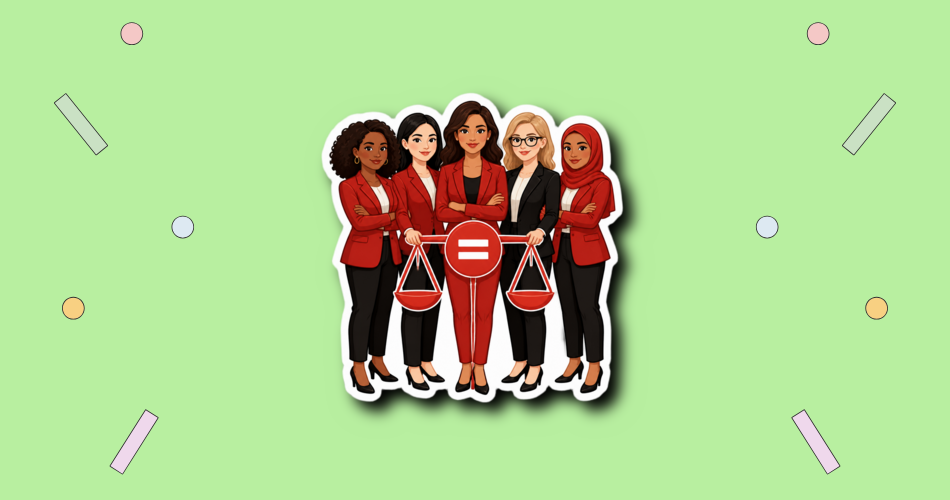
Observing this day often involves participating in a national campaign where supporters wear the color red. This color is chosen to symbolize how far women of color are “in the red” regarding their earnings compared to men. Individuals are encouraged to share data-driven infographics on social media to educate others about the specific percentages and dollar amounts lost due to the wage gap. It is also a time for allies to speak up about the importance of fair pay in their own professional circles.
For employers, the day serves as a practical prompt to review salary structures and eliminate the practice of asking for a candidate’s previous salary history. Many organizations hold webinars or workshops that focus on salary negotiation and career advancement for AAPI professionals. On a community level, supporting AAPI-owned businesses and donating to advocacy groups that provide legal aid for workers are effective ways to make a tangible impact.
- Wear red clothing to show solidarity with the movement for fair pay.
- Share educational posts using the official campaign hashtags on social media.
- Participate in virtual town halls or webinars about economic justice.
- Encourage your workplace to publish their pay equity data.
- Support local AAPI women entrepreneurs by purchasing their products or services.
AANHPI Women’s Equal Pay Day Dates Table
| Year | Date | Day of the week |
|---|---|---|
| 2026 | April 9 | Thursday |