
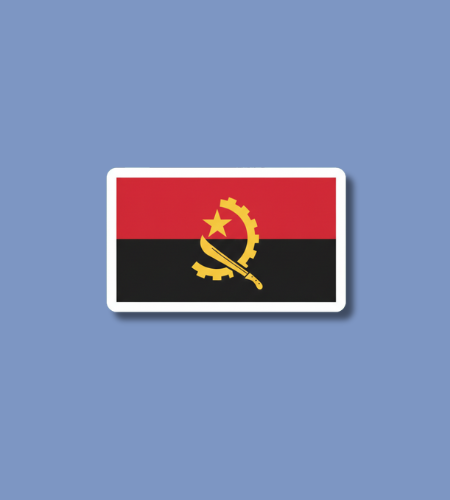
Angola Liberation Day is observed annually on February 4. This public holiday, also known as the Day of the Armed Struggle, commemorates the 1961 uprising in Luanda that marked the beginning of the country’s long and arduous war for independence from Portuguese colonial rule.
Table of Contents
History of Angola Liberation Day
The roots of this day are found in the events of February 4, 1961, when militants from the Popular Movement for the Liberation of Angola (MPLA) launched coordinated attacks in the capital city of Luanda. The insurgents targeted the São Paulo prison and other military installations with the intent to free political prisoners who had been jailed by the colonial administration. This act of rebellion was a response to centuries of Portuguese presence and specifically to the oppressive policies regarding the forced cultivation of cotton and the suppression of African nationalism.
While the initial raids were met with severe retaliation from colonial forces, the events of February 4 effectively launched the Angolan War of Independence. This conflict became a central theater of the wider Portuguese Colonial War, involving various nationalist factions. The fighting continued for thirteen years until the Carnation Revolution in Portugal led to a ceasefire and the eventual proclamation of Angolan independence on November 11, 1975. Today, the date is honored as the symbolic “spark” that led to national sovereignty.
Why is Angola Liberation Day important?
This day is vital for preserving the memory of the early activists who risked their lives to challenge an entrenched colonial system. It serves as a reminder that the path to independence began with localized, courageous acts of defiance rather than a sudden political gift. For many Angolans, the holiday is a time to reflect on the high human cost of the struggle, which claimed thousands of lives and displaced countless families before the country finally achieved its freedom.
The observance also reinforces a sense of national identity in a country that experienced a prolonged civil war following its independence. By focusing on the shared origin of the liberation struggle, the holiday encourages unity across different ethnic and political groups. It provides a formal opportunity to honor veterans and “patriots of the 4th of February,” ensuring that their contributions to the birth of the Republic are recognized by younger generations who did not experience the colonial era.
- The holiday marks the official start of the armed resistance against colonial forces.
- It pays tribute to the individuals who stormed prisons to free political leaders.
- The day fosters national pride by celebrating the courage of the Angolan people.
- Educational programs on this day help keep the history of the revolution alive.
- The observance acts as a symbol of the end of centuries of foreign domination.
How to Observe Angola Liberation Day
Observance of this day in Angola is characterized by a mix of somber memorial services and public displays of patriotism. Government officials typically lead wreath-laying ceremonies at monuments dedicated to the heroes of the revolution and the Unknown Soldier. In Luanda, residents often visit the historical sites of the 1961 attacks, such as the former São Paulo prison, to pay their respects and learn more about the specific tactical details of the uprising.
Cultural events are also a significant part of the holiday, featuring traditional Angolan music such as Semba and various dance performances that celebrate African heritage. Communities gather for public festivals, sports competitions, and neighborhood feasts. While the day is a public holiday with many businesses closed, the atmosphere is one of collective reflection, with many families using the time to visit relatives or participate in local rallies that emphasize the country’s ongoing journey toward development and peace.
- Attend a public ceremony or military parade in major provincial capitals.
- Visit a historical museum or site related to the 1961 Luanda uprising.
- Listen to traditional Angolan Semba music to celebrate national culture.
- Display the national flag to show solidarity with the liberation movement.
- Participate in community discussions about the history of the independence war.
Angola Liberation Day Dates Table
| Year | Date | Day |
|---|---|---|
| 2026 | February 4 | Wednesday |
| 2027 | February 4 | Thursday |
| 2028 | February 4 | Friday |
| 2029 | February 4 | Sunday |
| 2030 | February 4 | Monday |
Subscribe to our newsletter and never miss a holiday again!