
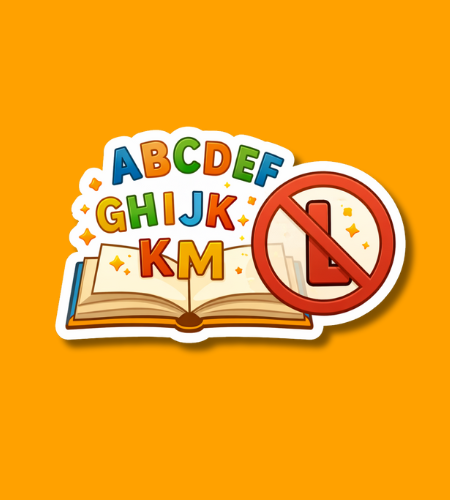
A’Phabet Day or No “L” Day is a witty, pun-based holiday observed annually on December 25. While the rest of the world is busy unwrapping gifts, wordplay enthusiasts use this day to celebrate the quirks of the English language through a specific linguistic challenge.
Table of Contents
History of A’Phabet Day or No “L” Day
The origin of this holiday is grounded entirely in a pun related to Christmas. The date, December 25, is traditionally known as “Noel” (derived from the French Noël, meaning “to be born”). In English, “Noel” sounds exactly like “No L.” Consequently, if one were to remove the letter “L” from the word “Alphabet,” the result is “A’Phabet.” Thus, the day was coined as a humorous nod to the season, turning a traditional holiday greeting into a game for logophiles.
There is no specific founder or historical decree associated with this observance. It likely emerged in the late 20th century as a “groaner” joke that evolved into a recognized internet holiday. It serves as a playful linguistic sidebar to the massive cultural weight of Christmas, offering a bit of intellectual silliness for those who enjoy word puzzles and “Dad jokes.”
Why is A’Phabet Day or No “L” Day important?
This day provides a moment of levity and mental stimulation during a season often dominated by routine and tradition. It celebrates the flexibility and humor found in language, reminding people that communication can be a playground rather than just a tool. The pun itself—”No L” for “Noel”—demonstrates how homophones can bridge the gap between secular wit and traditional observance.
Furthermore, the holiday acts as a fun brain teaser. Trying to speak or write without using one of the most common consonants in the English language requires significant focus and vocabulary flexibility. It turns casual conversation into a game of strategy, forcing participants to expand their lexicon to find synonyms that fit the restriction.
- It offers a humorous alternative to traditional holiday seriousness.
- The day encourages creative thinking and vocabulary expansion.
- It highlights the fun and complexity of the English language.
- People bond over the shared challenge of the word game.
- It provides a low-stress, free activity for families gathering together.
How to Celebrate A’Phabet Day or No “L” Day
The primary way to observe this day is to avoid using the letter “L” in your speech and writing. This is surprisingly difficult, as the letter appears in common words like “love,” “light,” “bell,” and even “holiday.” Participants must pause and rethink their sentences before speaking. For example, instead of saying “I like this pie,” one might say, “This pie tastes good.” It turns every interaction into a humorous puzzle.
For a more competitive approach, families can turn this into a game during their holiday dinner. Anyone who slips up and uses a word containing the forbidden letter might have to perform a small forfeit, like washing a dish or telling a joke. You can also share the spirit of the day on social media by posting messages that intentionally omit the letter, challenging friends to decipher the meaning.
- Try to speak for one hour without using the twelfth letter.
- Write a short poem or greeting card avoiding the forbidden character.
- Challenge family members to a “No L” conversation contest.
- Share your best puns with friends to spread the humor.
- Eat foods that do not have the letter in their names (e.g., soup, pie).
A’Phabet Day or No “L” Day Dates Table
| Year | Date | Day |
|---|---|---|
| 2026 | December 25 | Friday |
| 2027 | December 25 | Saturday |
| 2028 | December 25 | Monday |
| 2029 | December 25 | Tuesday |
| 2030 | December 25 | Wednesday |
Subscribe to our newsletter and never miss a holiday again!