
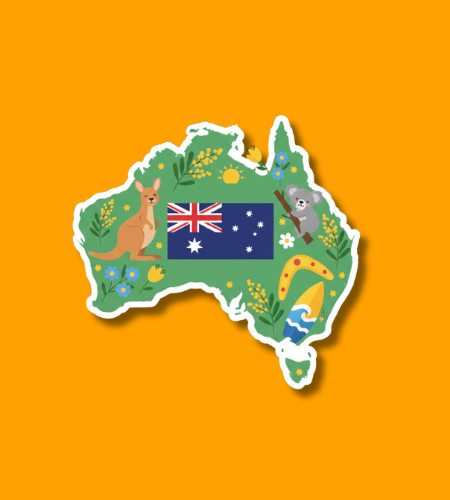
Australia Day is observed annually on January 26. The day commemorates the anniversary of the 1788 arrival of the First Fleet at Sydney Cove and the raising of the Union Flag by Arthur Phillip. While it is the official national day of the country, it serves as a time for diverse groups to reflect on the nation’s history, celebrate its contemporary multicultural society, and acknowledge the resilience of Aboriginal and Torres Strait Islander peoples.
Table of Contents
History of Australia Day
The origins of the date reach back to the late 18th century when British ships, carrying convicts and personnel, established the first permanent European settlement on the continent. Initially known as Foundation Day or Anniversary Day in New South Wales, the early celebrations were primarily private dinners held by government officials and businessmen. Over time, the event grew in scale, with the first official public celebrations taking place in 1838 to mark the 50th anniversary of the landing. By the late 19th century, various colonies began to adopt the date as a symbol of their growing sense of shared identity and progress.
Following the Federation of Australia in 1901, the push for a unified national holiday intensified. In 1935, all Australian states and territories agreed to use the name Australia Day, and by 1940, the date was celebrated with a public holiday across the country. However, the meaning of the day has evolved significantly over the decades. Since 1938, many Indigenous Australians have observed the date as a Day of Mourning or Invasion Day, highlighting the impact of colonization on First Nations people. In 1994, the holiday was formally fixed to January 26 across all jurisdictions to ensure a consistent national observance.
Why is Australia Day important?
This day is important because it acts as a focal point for national identity and civic participation. It is the most popular date for citizenship ceremonies, where thousands of people from around the world take a formal pledge of commitment to the country. These ceremonies underscore the nation’s transition into a modern, multicultural society that values migration and global contribution. By recognizing new citizens on this day, the country reinforces its commitment to democracy and the “fair go” for everyone who calls the continent home.
The observance also provides a platform for the Australian of the Year Awards, which honor individuals who have made significant contributions to science, art, sports, and community service. This recognition encourages a culture of excellence and selfless service among the population. Additionally, the day promotes a “Reflect, Respect, Celebrate” framework, which encourages citizens to look honestly at the past while celebrating the achievements of the present. This ongoing dialogue is essential for the process of national reconciliation and for building a more inclusive future.
- Marks the formal beginning of modern Australian administrative history.
- Welcomes thousands of new citizens through official induction ceremonies.
- Recognizes outstanding community leaders through the Australian of the Year Awards.
- Provides a space for reflection on the 65,000-year history of First Nations people.
- Encourages social cohesion through thousands of local community festivals.
How to Celebrate Australia Day
Celebrating this day typically involves making the most of the summer weather with outdoor gatherings. A classic way to observe the holiday is by hosting a backyard or beach barbecue, often referred to as a “barbie,” featuring local favorites like lamb, sausages, and seafood. Many people also participate in community sporting events, with backyard or beach cricket being a quintessential pastime. These informal gatherings focus on “mateship” and the relaxed lifestyle that characterizes Australian culture.
On a more formal level, many people attend local government events that include smoking ceremonies, flag-raisings, and live music performances. In major cities, spectacular fireworks displays often conclude the evening, while Sydney Harbour hosts the famous Ferrython and historic regattas. For those seeking a deeper connection to the day’s complex history, attending Survival Day concerts or cultural exhibitions provides an opportunity to support Indigenous artists and learn about the enduring culture of First Nations people.
- Host a traditional barbecue with friends and neighbors in your backyard.
- Attend a local citizenship ceremony to welcome new members of the community.
- Play a game of backyard cricket at a park or on the beach.
- Watch the fireworks or a local parade organized by your city council.
- Listen to an all-Australian music playlist featuring classic and modern hits.
Australia Day Dates Table
| Year | Date | Day |
|---|---|---|
| 2026 | January 26 | Monday |
| 2027 | January 26 | Tuesday |
| 2028 | January 26 | Wednesday |
| 2029 | January 26 | Friday |
| 2030 | January 26 | Saturday |
Subscribe to our newsletter and never miss a holiday again!