
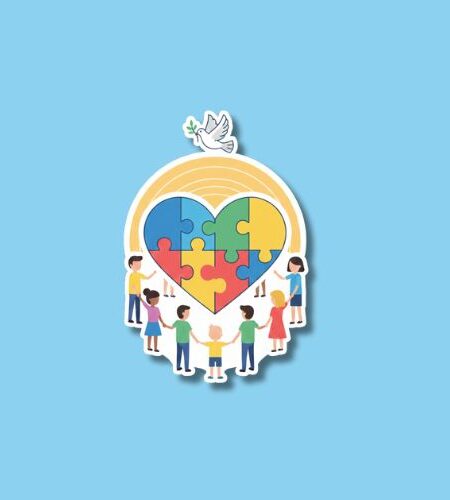
Autism Sunday is observed on the second Sunday of February. In 2026, it falls on February 8. This day, also known as the International Day of Prayer for Autism and Asperger Syndrome, encourages people of all faiths to support individuals on the autism spectrum and their families. 1
Table of Contents
History of Autism Sunday
The observance was founded in 2002 by Ivan and Charika Corea, the parents of an autistic son, in London, United Kingdom. They launched the initiative to advocate for better services and more inclusive environments within faith-based communities. The first major service took place at St. Paul’s Cathedral in London, which helped bring global attention to the spiritual and social needs of autistic individuals and those who care for them.
Since its inception, the day has grown into an international movement supported by various religious leaders and organizations. In 2006, an Early Day Motion was tabled in the British Parliament to recognize the day, urging the government and community groups to reach out to the autism community. Today, it serves as a bridge between secular awareness and religious support, emphasizing that everyone deserves a place within their local community.
Why is Autism Sunday important?
This day provides a dedicated time for communities to address the isolation often felt by families living with autism. It moves beyond general awareness by focusing on the practical inclusion of neurodivergent people in social and religious gatherings. By encouraging faith groups to adapt their practices, the holiday helps create spaces where individuals with sensory sensitivities or communication differences feel welcomed and understood.
The observance also highlights the tireless efforts of caregivers and the need for robust support systems. It serves as a reminder that autism is a lifelong condition that requires ongoing community engagement rather than a one-time charitable act. Through public prayer and advocacy, the day aims to reduce the stigma associated with developmental differences and promotes the value of neurodiversity in every part of society.
- It encourages religious organizations to become more accessible to all.
- The day raises awareness about the unique challenges faced by autistic adults.
- It provides a platform for families to share their experiences and needs.
- The holiday fosters a spirit of empathy and active listening.
- It reminds public officials to prioritize funding for autism services.
How to Celebrate Autism Sunday
Observing this day often involves attending special services that incorporate sensory-friendly elements. Churches and community centers may dim harsh lights, provide quiet rooms, or offer visual schedules to help everyone follow along. Many people use the day to educate themselves on how to communicate more effectively with neurodivergent neighbors, such as using direct language and respecting personal space.
Another way to participate is by reaching out directly to families in your neighborhood to offer practical assistance. This can include preparing a meal, running errands, or simply spending time learning about a person’s specific interests. Communities may also host small forums or workshops where autistic individuals can speak about their own lives and the changes they would like to see in their local environment.
- Participate in a local prayer or reflection service for autism.
- Distribute educational materials about autism to your community.
- Reach out to a family you know to offer a listening ear.
- Learn about the sensory needs of people on the spectrum.
- Advocate for inclusive policies in your school or workplace.
Autism Sunday Dates Table
| Year | Date | Day |
|---|---|---|
| 2026 | February 8 | Sunday |
| 2027 | February 14 | Sunday |
| 2028 | February 13 | Sunday |
| 2029 | February 11 | Sunday |
| 2030 | February 10 | Sunday |
Subscribe to our newsletter and never miss a holiday again!