
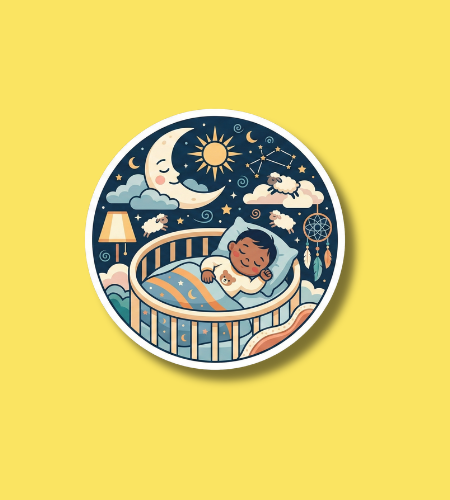
Baby Sleep Day is observed on March 1. This observance precedes World Sleep Day and focuses specifically on the unique rest requirements of infants and toddlers. It is an international effort led by pediatric experts to support families in establishing healthy sleep habits, ensuring that both children and their caregivers can achieve the quality rest necessary for long-term health and well-being.
Read also about Festival of Sleep Day
Table of Contents
History of Baby Sleep Day
The creation of Baby Sleep Day stems from an informal meeting in December 2016 at a deli where pediatric sleep experts Jodi Mindell, Russell Walters, and Bula discussed the pervasive challenges of infant exhaustion. They recognized that while sleep is a fundamental pillar of health, parents often lack access to evidence-based advice for managing night wakings and nap schedules. This led to the launch of the first official Baby Sleep Day on March 1, 2017, organized by the Pediatric Sleep Council.
Since its inception, the day has evolved into a global event supported by sleep specialists in over 30 countries. The organizers chose the March 1 date to highlight the importance of pediatric sleep just before the broader National Sleep Awareness Week begins. The initiative has grown from a small group discussion into a massive digital campaign, providing free resources and expert-led Q&A sessions to help families navigate the complexities of early childhood development and sleep hygiene.
Why is Baby Sleep Day important?
Sleep is a primary driver of physical and cognitive development during the first years of life. During deep sleep, an infant’s body releases essential growth hormones, while active sleep phases support the reorganization of brain circuitry and memory consolidation. Addressing sleep issues early can prevent a “sleep debt” that might otherwise lead to behavioral challenges, irritability, or delayed motor skill development as the child grows older.
This day also emphasizes the critical link between a baby’s rest and the mental health of the entire household. Chronic sleep deprivation in parents is a significant factor in postpartum depression and overall family stress. By providing clear, scientific guidelines, Baby Sleep Day empowers caregivers to create a more harmonious home environment where everyone is better equipped to handle the demands of daily life.
- Healthy sleep patterns are directly linked to improved vocabulary acquisition and learning.
- Proper rest supports the immune system and helps regulate a child’s appetite and growth.
- The day provides a platform for families to access free, evidence-based pediatric advice.
- Consistent sleep reduces the risk of long-term issues like childhood obesity and anxiety.
- Well-rested parents are more alert and capable of providing attentive care to their children.
How to Observe Baby Sleep Day
Observing this day involves reviewing and refining the infant’s sleep environment to ensure it is safe and conducive to rest. Caregivers can use this time to implement a consistent bedtime routine, such as a “bath, book, and bed” sequence that signals the transition to nighttime. It is also an ideal time to check the nursery for safety factors, including maintaining a cool room temperature and ensuring the crib is free of soft toys or loose bedding.
Many families participate by engaging with pediatric sleep experts through online forums and social media workshops. Parents are encouraged to share their own experiences and tips with others in their community to foster a supportive network. Taking the time to monitor a baby’s sleep cues—such as eye rubbing or ear pulling—can help caregivers adjust schedules to prevent over-tiredness and make the transition to sleep smoother for the child.
- Establish a predictable three-step bedtime routine to help your child wind down.
- Ensure the nursery is dark and quiet to promote longer stretches of restorative sleep.
- Use this day to transition away from screen time at least one hour before bed.
- Share helpful sleep resources or personal success stories with other new parents.
- Consult with a pediatrician if you have concerns about your child’s breathing or snoring.
Baby Sleep Day Dates Table
| Year | Date | Day |
|---|---|---|
| 2026 | March 1 | Sunday |
| 2027 | March 1 | Monday |
| 2028 | March 1 | Wednesday |
| 2029 | March 1 | Thursday |
| 2030 | March 1 | Friday |
Subscribe to our newsletter and never miss a holiday again!