
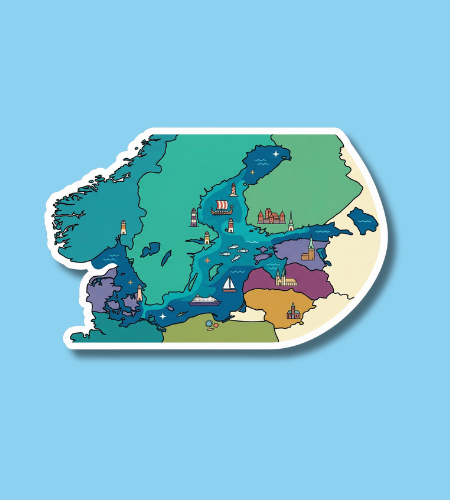
Baltic Sea Day is a themed environmental celebration observed on the last Thursday of August that aims to highlight the ecological health, cultural heritage, and unique history of this northern European body of water. In 2026, it falls on August 27. The day serves as an open invitation for residents and visitors across the surrounding nine countries to engage in concrete actions that improve the marine environment while also enjoying the sea’s natural beauty. By fostering a sense of shared responsibility, the holiday encourages sustainable habits, such as choosing sea-friendly food and reducing plastic waste, to ensure the water remains a source of joy for future generations. It provides a platform for researchers, coastal communities, and nature enthusiasts to unite in a common goal of preserving one of the world’s most sensitive brackish ecosystems.
Read also about Baltic Sea Protection Day
History of Baltic Sea Day
The John Nurminen Foundation, a Finnish organization dedicated to marine protection and maritime culture, launched Baltic Sea Day in 2019. The foundation established the event to bring attention to the severe environmental challenges facing the sea, such as eutrophication and plastic pollution, while celebrating its rich historical significance. What began as a local initiative in Helsinki quickly expanded into an international movement, involving hundreds of partners including cities, museums, schools, and environmental NGOs across the entire Baltic region.
The timing of the holiday on the last Thursday of August coincides with the end of the summer season when many people have recently spent time on the coast or at sea. This strategic placement helps keep the sea’s well-being at the forefront of public consciousness as the seasons change. Over the years, the event has grown to include “Open Ship” programs where the public can tour marine research vessels, as well as digital exhibitions that showcase the underwater biodiversity and sunken shipwrecks that define the Baltic’s unique character.
Why is Baltic Sea Day important?
The Baltic Sea is one of the most unique and fragile marine environments on Earth due to its low salinity and slow water exchange with the Atlantic Ocean. This day is vital because it raises awareness about the specific threats this ecosystem faces, particularly the runoff from agriculture and wastewater that leads to oxygen depletion in the water. By educating the public on these issues, the holiday helps mobilize large-scale support for restoration projects and stricter environmental policies across international borders.
Beyond environmental science, the day emphasizes the deep cultural and economic ties between the Nordic, Baltic, and Central European nations. The sea has served as a primary trade route and a source of inspiration for art, music, and cuisine for thousands of years. Celebrating this connection encourages people to see the sea not just as a resource to be used, but as a shared heritage that requires active stewardship and constant care to remain healthy and productive.
- Protecting the sea ensures the survival of unique species like the Baltic ringed seal.
- Healthy waters support the local fishing industries and coastal economies of nine different nations.
- Reducing pollution in the sea directly improves the quality of life for millions of coastal residents.
- The day promotes international cooperation on environmental standards and maritime safety.
- Understanding the sea’s history fosters a greater appreciation for regional identity and peace.
How to Celebrate Baltic Sea Day
One practical way to observe the day is by participating in the “Baltic Sea Plunge,” an event where people across the region jump into the water simultaneously at a designated time. This collective dip is a symbolic gesture of appreciation for the sea and a reminder of the recreational value it provides. Additionally, many people choose to enjoy a “Baltic Sea Menu” on this day, focusing on sustainably caught local fish, seasonal vegetables, and ingredients that have a minimal environmental footprint on the watershed.
For those looking to take direct action, shoreline clean-ups are organized in many coastal cities to remove litter before it enters the marine food chain. Many museums and maritime centers offer free admission or special workshops where visitors can learn about traditional boat building or modern marine biology. Even those living far from the coast can participate by sharing their own “Baltic Sea Moment” on social media or by donating to organizations that fund scientific research and conservation efforts in the region.
- Take a swim or a quick dip in the sea to celebrate its recreational benefits.
- Prepare a meal using local, sustainably sourced fish and seasonal produce.
- Join a local volunteer group to pick up trash along the beach or harbor.
- Visit a maritime museum or research vessel to learn about local marine life.
- Share a photo or story of your favorite coastal memory to raise awareness online.
Baltic Sea Day Dates Table
| Year | Date | Day |
|---|---|---|
| 2026 | August 27 | Thursday |
| 2027 | August 26 | Thursday |
| 2028 | August 31 | Thursday |
| 2029 | August 30 | Thursday |
| 2030 | August 29 | Thursday |
Subscribe to our newsletter and never miss a holiday again!