
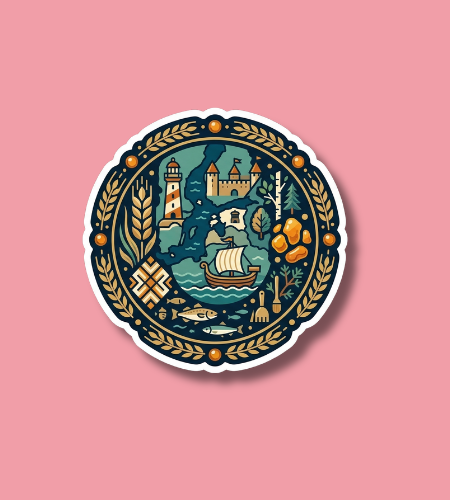
Baltic Sea Protection Day is an international environmental observance held every year on March 22 to focus attention on the unique ecological challenges facing the world’s largest brackish water body. The day is celebrated by the nine countries bordering the sea to promote the conservation of its fragile marine environment and to encourage sustainable management of its resources. Because the Baltic Sea is nearly landlocked and shallow, it is particularly sensitive to human impact, making this annual call to action vital for its long-term health. The event aligns with World Water Day, highlighting the specific regional responsibility to protect the sea’s biodiversity, from its unique seal populations to its vital fish stocks.
Read also about International Black Sea Action Day
Table of Contents
History of Baltic Sea Protection Day
The Helsinki Commission, also known as HELCOM, officially designated March 22 as Baltic Sea Protection Day in 1997. HELCOM is the intergovernmental organization responsible for the “Convention on the Protection of the Marine Environment of the Baltic Sea Area,” and it established this day to coincide with the United Nations’ World Water Day. By linking the regional needs of the Baltic to the global water crisis, the commission sought to elevate the sea’s protection on the international political and social agenda. 1
Since its establishment, the holiday has served as a platform for reporting on the progress of the Baltic Sea Action Plan, an ambitious program aimed at restoring the sea’s good ecological status. Over the decades, the focus has evolved from addressing large-scale industrial pollution to tackling modern issues like microplastics, underwater noise, and the “dead zones” caused by nutrient runoff from agriculture. The day commemorates the collaborative spirit of the Baltic nations—Denmark, Estonia, Finland, Germany, Latvia, Lithuania, Poland, Russia, and Sweden—as they work together to monitor water quality and enforce environmental standards across maritime borders.
Why is Baltic Sea Protection Day important?
The Baltic Sea is a young and sensitive ecosystem that functions differently from the open ocean due to its low salinity and slow water exchange. This day is important because it highlights the immediate threats of eutrophication, where excess nutrients cause massive algae blooms that deplete oxygen and create uninhabitable zones for fish. By raising awareness of these “oxygen deserts,” the holiday mobilizes public and political support for better wastewater treatment and more sustainable farming practices throughout the entire drainage basin.
Protecting the Baltic Sea is also essential for the economic and cultural well-being of the more than 85 million people living in its catchment area. The sea supports vital industries, including sustainable fisheries, tourism, and maritime transport, all of which depend on a healthy and predictable marine environment. Celebrating this day reinforces the idea that the sea is a shared heritage that requires constant stewardship to survive the pressures of climate change and industrialization. It fosters a sense of regional identity and responsibility, reminding citizens that their daily choices on land directly impact the water’s future.
- The sea is a critical habitat for unique species like the Baltic ringed seal and porpoise.
- Healthy Baltic waters are essential for the recovery of cod, herring, and sprat stocks.
- Reducing nutrient runoff helps prevent the growth of toxic blue-green algae blooms.
- The holiday promotes the removal of hazardous substances and unexploded ordnance from the seabed.
- International cooperation on this day strengthens regional peace and environmental security.
How to Observe Baltic Sea Protection Day
One of the most effective ways to observe the day is to participate in local educational events or webinars hosted by marine research institutes and environmental NGOs. Many organizations use this time to share the latest data on the sea’s health and offer practical tips on how individuals can reduce their “nutrient footprint.” This might include choosing phosphate-free detergents, reducing meat consumption to lower agricultural runoff, or supporting local businesses that prioritize sustainable maritime practices.
For those living near the coast, beach cleanups are a popular way to take direct action and prevent plastic litter from entering the marine food chain. Schools across the region often dedicate lesson plans to Baltic Sea biology, teaching students about the importance of seagrass meadows and the role of different fish species. Digital participation is also significant, with many people sharing their personal “Baltic Sea stories” or photos of the coastline to highlight the sea’s beauty and the need for its preservation. The goal is to turn awareness into habitual actions that contribute to a cleaner, more vibrant sea throughout the year.
- Choose sustainably sourced seafood that is native to the Baltic region.
- Avoid using fertilizers in your garden that can wash into local streams and rivers.
- Participate in a community event to pick up trash along the shoreline or riverbanks.
- Learn about the “Helsinki Convention” and how it protects your local water quality.
- Share educational posts on social media to help others understand the sea’s vulnerability.
Baltic Sea Protection Day Dates Table
| Year | Date | Day |
|---|---|---|
| 2026 | March 22 | Sunday |
| 2027 | March 22 | Monday |
| 2028 | March 22 | Wednesday |
| 2029 | March 22 | Thursday |
| 2030 | March 22 | Friday |
Subscribe to our newsletter and never miss a holiday again!