



Barn Day
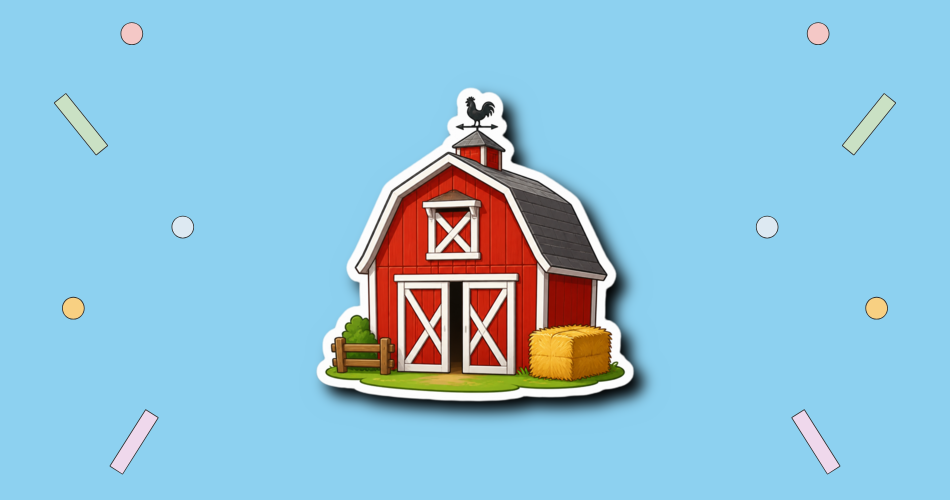
Barn Day is celebrated the second Sunday in July. In 2027, this date falls on July 11. This day invites people to notice the vital role barns have played in farming and rural life, from sheltering animals to storing grain and equipment. Take the chance to drive country roads, photograph old timber, or visit a living-history farm to learn how different barn forms reflect regional needs. Even casual appreciation helps keep these structures in the public eye and encourages local preservation efforts.
HT Meter
Does this day matter to you?
Tap the meter if it does, and say whether you will be celebrating — that is what opens the wishes from everybody else who will be.
This day matters to me
0 Be the first to say so
Just getting started
0 Let others know you’re in.
Wishes, greetings and stories
Join the celebration to share a wish, a greeting, or how this day goes in your house.
These are kept for the people celebrating this day. Say you will be celebrating to read them and to add your own.
You have already shared something here recently.
Nothing here yet. Yours would be the first.
History of Barn Day
Barn architecture in North America traces many influences to European settlers who adapted familiar building forms to new climates and crops. Medieval three-aisled barns inspired several later styles, and the English barn layout was especially widespread. Over time, farmers developed specific variants—bank barns, round barns, Dutch barns and gambrel-roofed designs—each solving practical problems such as storage capacity, livestock access, or siting on sloped land.
Beyond design, barns shaped social life on the farm. Building a barn was a major community event: neighbors gathered to raise heavy timbers, families provided food, and the work often ended with a barn dance. Those communal practices reinforced rural bonds and made barns symbols of shared labor and celebration as well as of agricultural production.
Why is Barn Day important?
Barn Day draws attention to the many functions barns have served in feeding communities and sustaining farms. As weather-tight storage and shelter for animals, they kept livelihoods secure through seasons and storms. Recognizing barns helps people appreciate the craftsmanship and practical knowledge embedded in rural landscapes.
National Open Farm Day
Barns are also cultural landmarks. Their forms appear in literature, art, and local memory, and they often mark the history of a place. Celebrating Barn Day encourages preservation, adaptive reuse, and conversations about keeping farmland productive and historic buildings standing for future generations.
- Barns store and protect crops, hay, tools, and livestock across seasons.
- Architectural variety shows regional farming practices and building traditions.
- Barn raising and barn dances fostered strong community networks.
- Preserving barns supports local heritage tourism and education.
- Adaptive reuse can turn old barns into event spaces, studios, or retail venues.
How to Celebrate Barn Day
Make it yours
How would you like to spend Barn Day?
Tick what fits you, and we will put together ideas made for this day — not for any day.
Celebrate Barn Day with activities that highlight both farming and heritage. Visit a nearby farm or heritage site to tour a historic barn, ask farmers about how their buildings are used today, and look for special events or open-house days at living-history farms. Photographing barns and sharing images with the tag #BarnDay invites others to notice these structures and their stories.
You can also support barn preservation in practical ways. Attend workshops on timber framing or barn repair, donate to organizations that work to save historic farm buildings, or volunteer for a local restoration project. Small actions—helping with maintenance, buying local produce from farms that maintain historic barns, or promoting heritage tours—add up to meaningful support.
- Take a barn-spotting drive and catalog different rooflines and shapes.
- Share photos on social media using #BarnDay and tag heritage sites.
- Visit a living-history farm or attend an open-barn event.
- Support barn-preservation groups such as the National Barn Alliance or a timber-framing guild.
- Host a barn-themed gathering with music, local food, and stories about the land.
Barn Day Dates
| Year | Date | Day of the week |
|---|---|---|
| 2026 | July 12 | Sunday |
| 2027 next | July 11 | Sunday |
| 2028 | July 9 | Sunday |
| 2029 | July 8 | Sunday |
| 2030 | July 14 | Sunday |
Sorry to hear you didn't enjoy this article...

Barnum & Bailey Day
Help us make it better!