
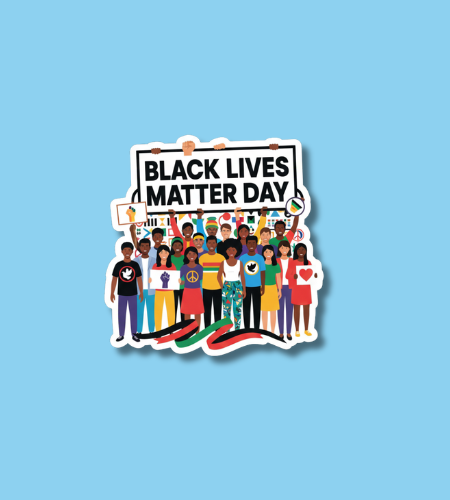
Black Lives Matter Day is observed annually on February 26. This day serves as a formal time to reflect on the ongoing movement for racial justice and to honor the memory of those who have lost their lives to systemic violence. It specifically marks the anniversary of the 2012 death of Trayvon Martin, an event that served as a primary catalyst for the movement’s formation. The observance focuses on raising awareness about racial inequality and promoting efforts to build a society where the lives and humanity of Black individuals are consistently valued and protected. 1
Table of Contents
History of Black Lives Matter Day
The origins of the movement date back to July 2013, following the acquittal of George Zimmerman in the fatal shooting of Trayvon Martin in Florida. In response to the verdict, activists Alicia Garza, Patrisse Cullors, and Opal Tometi created the hashtag #BlackLivesMatter on social media. What began as an online platform for validation and connection quickly transformed into a decentralized political and social movement. It gained massive national attention in 2014 after the deaths of Michael Brown in Missouri and Eric Garner in New York, which led to widespread protests against police brutality and the lack of legal accountability for those involved.
The movement saw its largest expansion in 2020 following the murder of George Floyd in Minneapolis. This event triggered international demonstrations and shifted the conversation toward structural reforms in policing and the criminal justice system. Black Lives Matter Day was established on February 26 to provide a specific calendar date for communities to gather, educate, and advocate for change. While the movement operates through various autonomous local chapters and global networks, this day unifies these efforts by centering the narrative on the historical and contemporary struggles for Black liberation.
Why is Black Lives Matter Day important?
This day is important because it forces a public confrontation with the realities of systemic racism and social disparity. It provides a dedicated space for education on how historical policies, from segregation to redlining, continue to impact the lived experiences of Black Americans today. By highlighting these issues, the holiday encourages citizens to look beyond individual acts of prejudice and understand the broader institutional frameworks that perpetuate inequality. It serves as a call to action for legislative changes that promote transparency, safety, and fairness across all sectors of society.
The observance also plays a significant role in community healing and the affirmation of identity. It allows individuals to share their stories and find solidarity in a collective pursuit of justice. For many, the day is about celebrating Black resilience and the cultural contributions that have shaped the nation despite centuries of opposition. It emphasizes that the movement is not merely a reaction to tragedy but a proactive vision for a future where every community has the resources and freedom to thrive. This dual focus on accountability and empowerment makes the day a cornerstone for modern civil rights discourse.
- It centers the conversation on ending state-sanctioned violence and racial profiling.
- The day promotes the study of Black history beyond the standard school curriculum.
- It provides an opportunity to support Black-owned businesses and community organizations.
- Public forums held on this day encourage dialogue between citizens and local officials.
- It honors the legacy of activists who have fought for civil rights since the 1960s.
How to Observe Black Lives Matter Day
Observing this day often begins with self-education through reading books, watching documentaries, or listening to podcasts created by Black authors and historians. Many people spend the day researching local policies regarding police conduct and community reinvestment to better understand the specific needs of their own neighborhoods. Attending organized rallies or vigils is a common way to show public support and memorialize victims of racial violence. These events often feature speakers, poets, and musicians who use their craft to express the community’s demands and hopes.
Practical engagement can also take the form of financial support or volunteer work. Donating to legal defense funds, bail programs, or organizations that focus on youth mentorship and education helps sustain the movement’s long-term goals. On a more personal level, people use the day to have difficult but necessary conversations with family and colleagues about race and privilege. The objective is to move from passive awareness to active participation in creating an anti-racist environment within one’s own sphere of influence.
- Read non-fiction books that detail the history of the civil rights movement.
- Donate to local non-profits that provide resources to underserved Black communities.
- Attend a town hall meeting to discuss racial equity in your local government.
- Share educational resources and historical facts on social media platforms.
- Support Black artists by visiting galleries or purchasing their work directly.
Black Lives Matter Day Dates Table
| Year | Date | Day |
|---|---|---|
| 2026 | February 26 | Thursday |
| 2027 | February 26 | Friday |
| 2028 | February 26 | Saturday |
| 2029 | February 26 | Monday |
| 2030 | February 26 | Tuesday |
Subscribe to our newsletter and never miss a holiday again!