
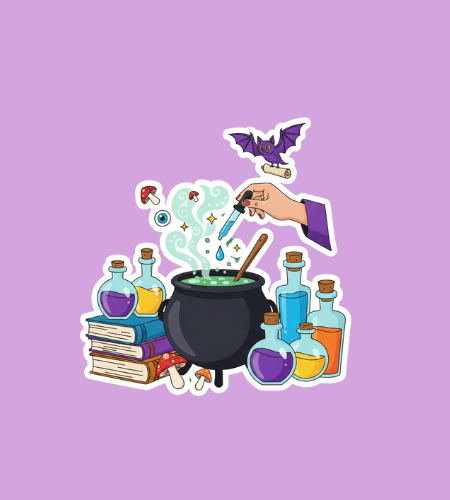
Brew a Potion Day is observed on January 19. This lighthearted holiday celebrates the mystical and practical history of concocting mixtures, whether they are rooted in ancient folklore, medieval medicine, or modern creative fiction. It encourages people to explore the imaginative world of alchemy and the historical use of natural ingredients to create elixirs and tonics.
Table of Contents
History of Brew a Potion Day
The term potion originates from the Latin word potio, meaning a drink or beverage. Historically, potions were not merely the stuff of fairy tales; they were the primary form of medicine for centuries. In ancient Greece, the Eleusinian Mysteries featured a psychoactive brew called kykeon, while Roman figures like Locusta were infamous for their knowledge of botanical toxins. Throughout the Middle Ages, monks played a central role in potion-making, cultivating “physic gardens” to grow herbs like rosemary and sage for healing remedies.
The modern observance of Brew a Potion Day grew out of a cultural fascination with fantasy literature and the history of the apothecary. While ancient potions were often a blend of science and superstition, this day focuses on the lighter side of that history. It celebrates the ingenuity of early chemists and the enduring presence of magical mixtures in popular media, such as the specialized elixirs found in the Harry Potter series or traditional folk tales.
Why is Brew a Potion Day important?
This day highlights the evolution of pharmacology and the study of ethnobotany. Many ingredients once considered “magical”—such as willow bark for pain relief or fennel for digestion—are now recognized for their legitimate chemical properties. By observing this holiday, participants acknowledge the historical transition from herbalism and alchemy to modern medicine. It serves as a reminder of how humans have always looked to the natural world to find solutions for health, longevity, and emotional well-being.
The holiday also provides a significant outlet for creativity and play. It encourages people to step away from the mundane aspects of daily life and engage with themes of wonder and mystery. For fans of role-playing games and fantasy novels, it is a day to celebrate the lore of their favorite fictional worlds. By focusing on “positive potions”—such as mixtures for luck, peace, or vitality—the day fosters a sense of optimism and imaginative exploration during the winter months.
- The holiday recognizes the vital role of historical apothecaries in early healthcare.
- It promotes interest in the folklore and traditional meanings assigned to plants.
- The day encourages learning about the scientific properties of common kitchen herbs.
- It provides a fun, low-pressure way for children to engage in sensory play.
- The observance celebrates the rich history of alchemical art and literature.
How to Celebrate (or Observe) Brew a Potion Day
Celebrating this day can range from making functional herbal teas to crafting “magic” drinks with friends. A popular practical approach is to brew a “potion” using ingredients known for their health benefits, such as a ginger and honey tonic for immunity or a chamomile and lavender blend for relaxation. For families, creating “science potions” with non-toxic household items like baking soda and vinegar can be an entertaining way to teach children about chemical reactions and the history of laboratory work.
Fans of the fantasy genre often host themed parties where guests dress as wizards or alchemists. You can set up a “potion station” featuring various juices, syrups, and edible glitter to create visually striking beverages. Another way to observe the day is to research the history of a specific herb, such as mandrake or elderberry, to see how its use has changed from ancient rituals to modern times. Sharing these concoctions or findings on social media helps spread the whimsical spirit of the day.
- Brew a specialized herbal tea using fresh ingredients like mint or turmeric.
- Create a colorful “elixir” using fruit juices and lemon-lime soda for a fizzing effect.
- Read a book or watch a documentary about the history of medieval medicine.
- Use essential oils to mix a “calmness potion” for your home or bath.
- Label common kitchen spices with their historical “magical” names for the day.
Brew a Potion Day Dates Table
| Year | Date | Day |
|---|---|---|
| 2026 | January 19 | Monday |
| 2027 | January 19 | Tuesday |
| 2028 | January 19 | Wednesday |
| 2029 | January 19 | Friday |
| 2030 | January 19 | Saturday |
Subscribe to our newsletter and never miss a holiday again!