
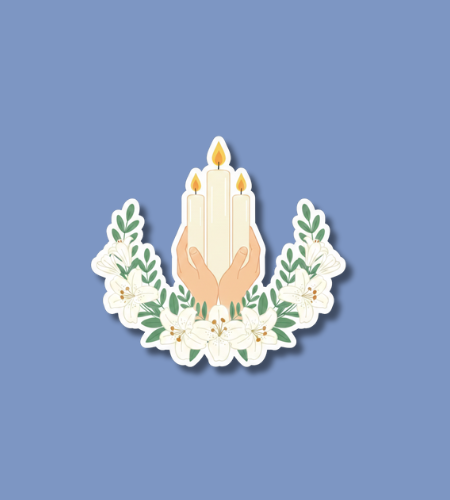
Candlemas Day is observed annually on February 2. This Christian festival marks the completion of 40 days since Christmas, commemorating the Presentation of Jesus at the Temple and the Purification of the Virgin Mary. It is traditionally known as the “Festival of Light” because of the custom of blessing candles to be used throughout the year, symbolizing Christ as the light of the world.
Table of Contents
History of Candlemas Day
The origins of this observance date back to at least the 4th century in Jerusalem. Early records from the pilgrim Egeria describe a solemn procession to the Church of the Resurrection to celebrate the 40th day after Epiphany. By the 6th century, Emperor Justinian I moved the date to February 2 to align with 40 days after the fixed date of Christmas on December 25. The name “Candlemas” specifically developed during the Middle Ages in Europe when the blessing of beeswax candles became the central liturgical act of the day.
Historians also note that Candlemas replaced or absorbed elements of older Roman traditions. The festival of Lupercalia and other February torchlight processions focused on purification and the return of light as winter began to fade. The Christian Church adapted these themes of light and renewal to focus on the biblical account in the Gospel of Luke. Here, the aged Simeon recognizes the infant Jesus as a “light for revelation to the Gentiles,” providing the scriptural foundation for the heavy use of candles in the modern ceremony.
Why is Candlemas Day important?
Candlemas Day serves as the official conclusion of the Christmas and Epiphany seasons in many liturgical calendars. It acts as a bridge between the celebration of the Nativity and the start of the Lenten season. The day emphasizes the transition from the darkness of mid-winter to the increasing light of spring, reflecting both the agricultural cycle and the spiritual theme of divine light entering the human world.
The holiday is significant for its focus on obedience and dedication. By presenting Jesus at the temple, Mary and Joseph followed the Mosaic laws of their time, showing a commitment to their community and faith. For modern observers, the day is a reminder of the importance of personal dedication and the role that individual acts of faith play in the larger social fabric. It also remains an important cultural marker in many countries, influencing local weather lore and culinary traditions.
- It marks the traditional end of the Christmas cycle.
- The day celebrates the meeting of the infant Jesus with Simeon and Anna.
- It highlights the themes of purification and light during the winter months.
- The blessing of candles provides the household with symbols of protection for the year.
- It preserves ancient customs that connect the change of seasons with religious faith.
How to Celebrate Candlemas Day
One of the most common ways to celebrate is by taking candles to a local church to be blessed during a special service. These candles are then taken home and kept for use during times of prayer, illness, or storms throughout the coming year. Many families also choose this day to finally take down their remaining Christmas decorations, including the nativity scene, to signify the shift into the next phase of the year. Lighting every candle in the house for a short period in the evening is another popular way to physically represent the “Festival of Light.”
Culinary traditions are also a major part of the celebration, particularly in France where the day is called La Chandeleur. Families gather to make and eat crêpes, which are said to represent the sun and the return of warmer weather. In Mexico, the day is known as El Día de la Candelaria and is celebrated with tamales and processions. Regardless of the specific food, the emphasis is on sharing a meal that reflects the golden light associated with the sun and the candles of the sanctuary.
- Bring a set of beeswax candles to a church service for a blessing.
- Prepare a batch of golden crêpes or pancakes to share with family.
- Remove any remaining holiday greenery or nativity figures from the home.
- Light a candle during dinner to reflect on the increasing daylight.
- Learn about the “Simeon’s Prayer” or the Canticle of Simeon from the Bible.
Candlemas Day Dates Table
| Year | Date | Day |
|---|---|---|
| 2026 | February 2 | Monday |
| 2027 | February 2 | Tuesday |
| 2028 | February 2 | Wednesday |
| 2029 | February 2 | Friday |
| 2030 | February 2 | Saturday |
Subscribe to our newsletter and never miss a holiday again!