
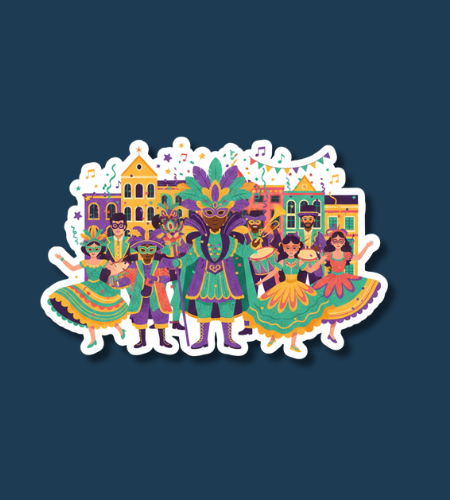
Carnival Day is celebrated every year on February 26. While the famous pre-Lenten festivals like Mardi Gras and Rio Carnival move according to the lunar calendar, this specific day serves as a fixed date to honor the spirit of the carnival tradition regardless of the religious season. It is a time dedicated to public revelry, the joy of community gatherings, and the preservation of folk arts through music, dance, and colorful displays.
Table of Contents
History of Carnival Day
The roots of the word “carnival” are found in the medieval Latin expression carne levare, which literally means the removal or “farewell to meat.” This historically referred to the period of indulgence before the restrictive forty days of Lent. While the practice of a fixed Carnival Day on February 26 is a more modern addition to the calendar, it pays homage to centuries-old traditions that began in Europe during the Middle Ages. Italy is often cited as the birthplace of the carnival, with the Venice Carnival becoming world-famous for its elaborate masquerade balls and status-defying costumes.
As explorers traveled to the New World, they brought these festive customs with them. In the 17th and 18th centuries, French and Spanish settlers introduced carnival balls and street processions to the Americas, while Portuguese settlers brought similar traditions to Brazil. Over time, these European customs blended with African and Indigenous rhythms and artistry, creating the vibrant samba parades and Caribbean “mas” seen today. The establishment of a specific day on February 26 allows people across the globe to celebrate these diverse cultural histories even when the traditional Lenten season falls at a different time.
Why is Carnival Day important?
This day is essential because it celebrates the universal human need for creative expression and social release. In many cultures, carnival serves as a “reversal ritual” where social hierarchies are temporarily suspended, allowing people from all walks of life to interact as equals behind masks and costumes. This break from the standard social order fosters a sense of unity and shared identity within a community. It provides a dedicated space for people to vent their stress and embrace a collective spirit of happiness through music and performance.
Beyond the parties, the day holds significant value for the preservation of heritage and local economies. Artisans, costume designers, and musicians spend months preparing for these events, keeping traditional crafts alive for future generations. For many regions, the carnival is the most important cultural export, drawing visitors from around the world and supporting local businesses. By observing this day, people acknowledge the historical resilience of communities that used these festivals to maintain their cultural pride during difficult times in history.
- It provides a platform for local artists to showcase their craftsmanship and design skills.
- The holiday promotes tourism and boosts the economy of host cities and towns.
- It encourages people to let go of their inhibitions and express their true selves.
- Cultural traditions and traditional music genres are kept alive through public performance.
- The day strengthens community bonds through shared participation in large-scale events.
How to Celebrate Carnival Day
One of the most authentic ways to celebrate is by attending a local fair or organizing a themed costume party. Participants often choose bright, shimmering fabrics and elaborate masks that allow them to take on a new persona for the day. If a professional carnival is not nearby, many people create a “backyard carnival” featuring classic games like ring tosses or balloon pops. The focus should be on creating an environment of high energy and visual splendor that contrasts with the monotony of daily work life.
Food plays a major role in the festivities, with a focus on indulgent “midway” treats and traditional street foods. Typical snacks include funnel cakes, fried dough, cotton candy, and savory items like hot dogs or regional specialty sausages. Sharing these treats with friends and family is a core part of the experience. Many enthusiasts also take the time to learn about the different styles of carnival around the world, from the elegant masks of Venice to the high-energy soca music of the Caribbean, expanding their understanding of global folklore.
- Design a custom mask using feathers, glitter, and bold colors at home.
- Visit a local amusement park or traveling fair to enjoy the rides.
- Prepare traditional carnival snacks like churros or deep-fried treats for friends.
- Listen to a playlist of samba, calypso, or brass band music to set the mood.
- Host a small neighborhood parade with decorated bicycles or wagons.
Carnival Day Dates Table
| Year | Date | Day |
|---|---|---|
| 2026 | February 26 | Thursday |
| 2027 | February 26 | Friday |
| 2028 | February 26 | Saturday |
| 2029 | February 26 | Monday |
| 2030 | February 26 | Tuesday |
Subscribe to our newsletter and never miss a holiday again!