
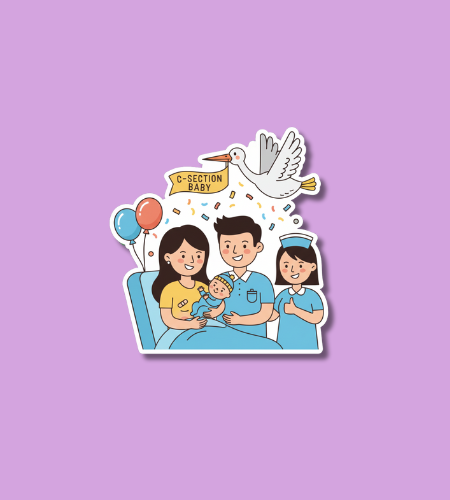
Cesarean Section Day is observed annually on January 14. This date recognizes the surgical procedure that has become a vital component of modern obstetric care worldwide. While vaginal birth is the standard delivery method, a C-section involves making incisions through a mother’s abdomen and uterus to deliver a baby when natural labor poses a risk. The day serves to honor the medical advancements that allow for safe deliveries and to celebrate the resilience of parents who undergo this major surgery to ensure the health of their children.
Table of Contents
History of Cesarean Section Day
Cesarean Section Day commemorates the anniversary of the first successful C-section performed in the United States. On January 14, 1794, Dr. Jesse Bennett performed the operation on his wife, Elizabeth, in a rural log cabin in Rockingham County, Virginia. After determining that a natural delivery was impossible and that both mother and child were in grave danger, Dr. Bennett used a makeshift operating table and administered laudanum to perform the surgery. Both Elizabeth and their daughter, Maria, survived the procedure, which was a miraculous outcome for the medical standards of the 18th century.
The story of the Bennett family remained largely unknown until 1892, when a neighbor named Dr. Aquila Leighton Knight published a detailed account of the event. Before this successful case, the procedure was almost universally fatal for the mother and was typically only attempted to save a baby from a dying or deceased parent. Dr. Bennett’s success demonstrated that surgical intervention could preserve both lives. Today, the day marks this pivotal moment in medical history while acknowledging how the technique has evolved into a standardized, life-saving practice in modern hospitals.
Why is Cesarean Section Day important?
The significance of this day lies in its focus on maternal and infant safety during high-risk deliveries. Approximately one-third of births in the United States are performed via C-section, making it one of the most common surgical procedures in the country. It is a necessary intervention for complications such as placenta previa, breech positioning, or fetal distress. By dedicating a day to this topic, the medical community and the public can address the critical need for accessible surgical care while working to improve recovery outcomes for new mothers.
This observance also helps to remove the social stigma sometimes associated with surgical births. It reinforces the fact that a C-section is a valid and heroic path to parenthood that requires significant physical and emotional strength. The day encourages open dialogue about the recovery process, which involves healing from major abdominal surgery while simultaneously caring for a newborn. Recognizing these challenges fosters a more supportive environment for families and highlights the expertise of the obstetricians and surgical teams who facilitate these births.
- C-sections provide a safe alternative when natural labor fails to progress.
- The procedure is essential for delivering babies in dangerous breech or transverse positions.
- Medical intervention via surgery prevents birth injuries like cerebral palsy and oxygen deprivation.
- Access to emergency C-sections significantly reduces maternal and infant mortality rates.
- The day honors the historical pioneers who transitioned the surgery from a last resort to a safe practice.
How to Celebrate Cesarean Section Day
Observing this day involves educating oneself and others about the realities of surgical birth and recovery. Many people choose to share their personal “birth stories” on social media to provide a realistic look at the procedure and offer encouragement to expectant parents. Reading about the history of obstetrics or the specific case of Dr. Jesse Bennett can provide a deeper appreciation for how far medical technology has come. It is also a time for families to express gratitude to the surgeons, nurses, and anesthesiologists who assisted during their specific delivery experiences.
For those currently recovering or supporting someone who has recently had a C-section, the day is an opportunity to focus on physical healing. Providing practical help, such as preparing meals or assisting with heavy lifting, is a meaningful way to honor the physical toll the surgery takes on the body. Healthcare organizations often use the day to distribute information regarding postpartum care, scar management, and the possibility of vaginal birth after cesarean (VBAC) for future pregnancies. These efforts ensure that parents are empowered with the knowledge they need for a healthy long-term recovery.
- Share your C-section experience to help normalize surgical births for others.
- Write a thank-you note to the medical team that assisted with your delivery.
- Read a book or article about the evolution of maternity care and surgical tools.
- Donate to maternal health organizations that provide care in underserved areas.
- Support a friend recovering from a C-section by handling their household chores for the day.
Cesarean Section Day Dates Table
| Year | Date | Day |
|---|---|---|
| 2026 | January 14 | Wednesday |
| 2027 | January 14 | Thursday |
| 2028 | January 14 | Friday |
| 2029 | January 14 | Sunday |
| 2030 | January 14 | Monday |
Subscribe to our newsletter and never miss a holiday again!