
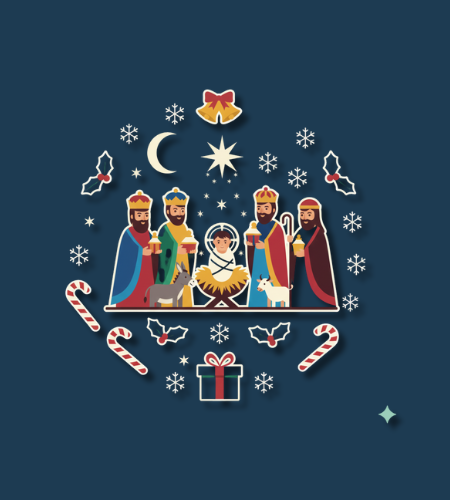
Christmas is strictly observed on December 25 every year. This major public holiday serves as the centerpiece of winter, bringing together billions of people in a collective observance of peace and generosity. Although it originates as the commemoration of the birth of Jesus, the day has evolved into a universal celebration of family bonds and emotional renewal that resonates well beyond religious communities. It is a time when cities and homes transform with light to counter the winter darkness, and the usual demands of professional life give way to the comfort of domestic gathering. The occasion functions as a global reminder to practice charity and gratitude, creating a unique environment where the exchange of gifts and the sharing of meals strengthen the social connections that define our humanity.
Table of Contents
History of Christmas
The origins of this holiday begin with the commemoration of the birth of Jesus Christ in Bethlehem. While the Bible does not specify a date, the Western Christian Church officially adopted December 25 in the fourth century. This date coincided with ancient winter solstice festivals, such as the Roman Saturnalia and the Germanic Yule, which celebrated the return of light and the promise of spring. By aligning the nativity with these existing celebrations, the holiday absorbed joyful customs like feasting, lighting candles, and decorating with evergreens.
Over the centuries, the focus shifted from a purely liturgical event to a cultural phenomenon centered on family and children. In the 19th century, writers like Charles Dickens and figures such as Prince Albert popularized traditions that define the modern holiday. The Victorian era introduced the Christmas tree to the wider world and emphasized social reconciliation and generosity. This transformation helped the holiday evolve into a season of goodwill, shaping the warm, domestic celebration recognized globally today.
Why is Christmas important?
Christmas has transcended its religious roots to become a universal celebration of humanity, kindness, and emotional connection. The fundamental philosophy of the season rests on mercy, charity, and the simple joy of giving without the expectation of return. It is a time when the “Christmas spirit” encourages people to pause their busy lives and focus on compassion. This emphasis on generosity and peace makes the holiday meaningful even in countries and families that do not strictly adhere to Christian theology. The season serves as a powerful reminder of shared human values, uniting people across different backgrounds through a collective desire for warmth and light during the coldest part of the year.
The emotional weight of the holiday lies in its ability to soften hearts and repair bonds. It is a rare moment in the calendar dedicated to gratitude and the nurturing of relationships. The act of gathering together, sharing meals, and exchanging thoughtful gestures creates a sense of belonging and safety. This psychological comfort is essential, as it combats isolation and reinforces the social fabric of communities. The holiday provides a necessary reset, allowing individuals to close the year with forgiveness and enter the next one with renewed hope.
- People prioritize spending quality time with family and reconnecting with distant friends
- Acts of charity and volunteering peak as communities support those in need
- The season fosters a sense of wonder and magic that relieves daily stress
- Cultural exchange occurs as different nations blend local customs with global traditions
- The focus on peace and goodwill promotes emotional healing and reconciliation
Symbols, Traditions, and Attributes of Christmas

The enduring magic of Christmas is communicated through its rich symbols, which have become beloved attributes of the season regardless of faith. The decorated evergreen tree stands as the centerpiece of this visual language. Originally a symbol of enduring life amidst the harshness of winter, the tree now represents joy and family unity. Adorning it with lights is a universal gesture of driving away darkness and inviting hope into the home. Whether it is a towering fir in a city square or a small pine in a living room, the tree anchors the celebrations and creates a focal point for gathering.
Gift-giving is perhaps the most emotional tradition, evolved from the legends of Saint Nicholas and the Magi into a modern expression of love. It is not merely about the material objects but the thought and care behind them.

The figure of Santa Claus embodies this spirit of selfless generosity and childhood innocence. Stockings, wreaths, and the colors red and green all tell a story of vitality and warmth. The wreath, with its circular shape, signifies eternity and unbroken connection.
These attributes—the scent of pine, the twinkle of lights, and the excitement of wrapped packages—create an atmosphere of comfort that transcends cultural boundaries, making everyone feel welcome in the celebration.
Read about Christmas traditions in different countries around the world in the article Christmas Eve.
How to Celebrate Christmas
Observing this day involves creating an environment of warmth and relaxation. Many families begin the morning by opening gifts and enjoying a special breakfast together. The day is often characterized by a slower pace, allowing for long conversations and shared laughter. Preparing a festive meal is a central activity, but the menu varies widely from roast turkey to local delicacies, reflecting personal tastes rather than strict rules. The key is to be present and attentive to loved ones, putting aside work and digital distractions to fully immerse oneself in the company of others.
Beyond the home, the holiday is an excellent opportunity to practice the philosophy of mercy that defines the season. Small acts of kindness, such as visiting elderly neighbors, donating to food banks, or simply offering a warm greeting to strangers, amplify the joy of the day. Many people find that extending generosity to others provides a deeper sense of fulfillment than receiving gifts. Celebrating can be as simple as lighting a candle for peace or watching a favorite holiday film, as long as the activities bring genuine happiness and reduce the burden of everyday stress.
- Cook a comforting meal that everyone in the household enjoys
- Exchange gifts or handwritten notes to show appreciation for one another
- Take a walk to admire the holiday lights and decorations in the neighborhood
- Donate time or resources to a local charity to help the less fortunate
- Rest and recover from the year by enjoying quiet leisure time at home
Christmas Dates
| Year | Date | Day |
|---|---|---|
| 2026 | December 25 | Friday |
| 2027 | December 25 | Saturday |
| 2028 | December 25 | Monday |
| 2029 | December 25 | Tuesday |
| 2030 | December 25 | Wednesday |
Subscribe to our newsletter and never miss a holiday again!