
Christmas Eve is the culmination of the Advent season and the final day of preparation before the celebration of Christmas, observed annually on December 24. It marks the beginning of the traditional holiday festivities, blending religious vigils with secular excitement as families gather to await the arrival of Christmas Day.
Table of Contents
History of Christmas Eve
The observance of Christmas Eve has its origins in the ancient Jewish custom where the liturgical day begins at sundown rather than at midnight. Early Christians adopted this practice, leading to the tradition of starting major feast days on the preceding evening. For centuries, the “Vigil of the Nativity” was a solemn time of fasting and prayer, designed to prepare the spirit for the feast of the Incarnation. Over time, the strict religious focus softened, and by the Middle Ages, the evening began to incorporate more festive elements, including the lighting of the Yule Log and the presentation of mystery plays that retold the biblical story of creation and redemption.
During the Reformation and into the Victorian era, the focus of Christmas Eve shifted significantly from community-based revelry to a more domestic, family-centered observance. In 19th-century Europe and America, the introduction of the Christmas tree—decorated on the Eve—became a central event. The popularization of the poem “A Visit from St. Nicholas” (commonly known as “The Night Before Christmas”) in 1823 cemented the night’s association with gift-giving and the magical arrival of Santa Claus. Today, it serves as a bridge between the hustle of commercial preparation and the stillness of the holiday itself.
Why is Christmas Eve important?
Christmas Eve holds a distinct psychological and emotional weight that sets it apart from Christmas Day. It is defined by anticipation—the feeling that something wonderful is about to happen. For children, it is the most exciting night of the year, filled with the suspense of Santa’s arrival. For adults, it often represents the finish line of a busy season, a moment when the shopping is done, the wrapping is finished, and the focus finally shifts to relaxation and connection. The evening hours provide a rare pause where the world seems to quiet down before the festivities of the following morning.
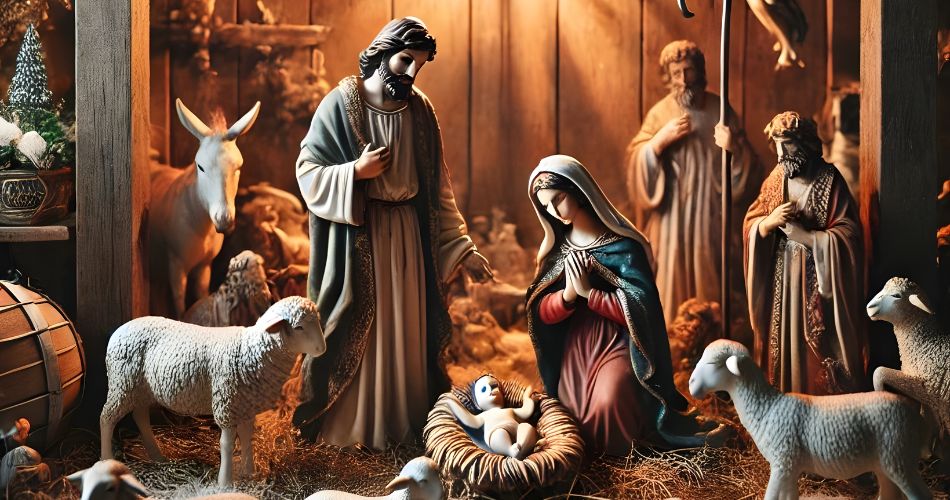
From a religious perspective, this night is often more significant than the day that follows. The Midnight Mass (or Christmas Eve candlelight service) is one of the most well-attended liturgical events of the year. It reenacts the story of the Nativity, emphasizing themes of hope and light entering a dark world. This spiritual grounding offers a counterpoint to the material aspects of the season, reminding participants of the holiday’s foundational narrative.
- It serves as the peak of holiday anticipation and excitement.
- Families reunite after traveling from distant locations.
- Religious services focus on the spiritual meaning of the season.
- The evening offers a quiet transition from work to celebration.
- Traditions established on this night often last for generations.
Interesting Facts about Christmas Eve
This specific date has been the backdrop for several remarkable historical events and curious statistical anomalies. It is not just a night for fiction and folklore, but a date that has seen truces, space exploration, and logistical marvels.
- The Christmas Truce – In 1914, during World War I, British and German soldiers laid down their weapons along the Western Front on Christmas Eve. They crossed “No Man’s Land” to exchange gifts, sing carols, and play soccer, creating one of history’s most poignant moments of peace.
- Apollo 8 Broadcast – On December 24, 1968, the astronauts of Apollo 8 became the first humans to orbit the Moon. During a live television broadcast viewed by millions, they read the opening verses of the Book of Genesis while showing Earth rising over the lunar horizon.
- NORAD Tracks Santa – The tradition of the military tracking Santa Claus began accidentally in 1955. A Sears advertisement in a newspaper printed the wrong phone number for a “Santa Hotline,” directing children to the Continental Air Defense Command (now NORAD). The commander on duty played along, and the tradition continues today.
- Speed of Delivery – Physicists have calculated that to deliver gifts to every celebrating household, Santa would need to travel at approximately 650 miles per second, assuming he works within the 31-hour window provided by different time zones.
Christmas Eve Traditions Around the World
While the date is universal, the customs observed on December 24 vary wildly across different cultures. In many countries, the Eve is actually the main event, with the 25th serving as a quieter day for rest.
Poland
The Breaking of the Wafer In Poland, the main celebration is a dinner called Wigilia. It begins only when the first star is spotted at night sky. The most important moment is the sharing of the oplatek, a thin, unleavened wafer embossed with religious images. Family members break off pieces of each other’s wafers while exchanging good wishes for the coming year. There is also a tradition of leaving one empty chair at the table for an unexpected guest, symbolizing hospitality.
Italy
The Feast of the Seven Fishes Italian-American families, and those in parts of Southern Italy, observe La Vigilia by abstaining from meat. Instead, they prepare a massive seafood banquet known as the Feast of the Seven Fishes. The meal typically includes dishes like salted cod (baccalà), calamari, shrimp, and clams. The number seven is thought to represent the seven sacraments of the Catholic Church or the seven days of creation.
Iceland
The Book Flood In Iceland, there is a beloved tradition called Jolabokaflod, or “Christmas Book Flood.” The majority of books in Iceland are sold between September and December. On Christmas Eve, people exchange books as presents and then spend the rest of the evening reading quietly while drinking hot chocolate. It turns the night into a cozy, literary event rather than a chaotic party.
Japan
A Bucket of Chicken Due to a highly successful marketing campaign in the 1970s, eating Kentucky Fried Chicken (KFC) on Christmas Eve has become a national custom in Japan. It is so popular that families often order their “party barrels” months in advance to ensure they have their fried chicken for the holiday dinner.
How to Celebrate Christmas Eve
A successful Christmas Eve strikes a balance between tradition and relaxation. Since the next day is often chaotic with gift-opening and large meals, the Eve is perfect for lower-energy activities. Many families adopt the “Christmas Eve Box” tradition, where children are allowed to open one box containing new pajamas, a movie, and snacks. This gets everyone settled in for the night and ensures good photos on Christmas morning.
Food preparation is also a key component of the evening. To avoid stress on Christmas Day, use the evening of the 24th to prep casseroles, set the table, or bake the final batch of cookies. Removing a plate of treats for Santa (and carrots for the reindeer) is a classic ritual that anchors the magic for younger children. Afterward, reading a holiday story or driving around the neighborhood to look at light displays can bring the night to a peaceful close.
- Attend a candlelight service or Midnight Mass.
- Open one small gift, such as new pajamas or a book.
- Prepare a simple meal to minimize cleanup duties.
- Track Santa’s progress online with children.
- Drive through local neighborhoods to view holiday lights.
Christmas Eve Dates Table
| Year | Date | Day |
|---|---|---|
| 2026 | December 24 | Thursday |
| 2027 | December 24 | Friday |
| 2028 | December 24 | Sunday |
| 2029 | December 24 | Monday |
| 2030 | December 24 | Tuesday |
Subscribe to our newsletter and never miss a holiday again!