
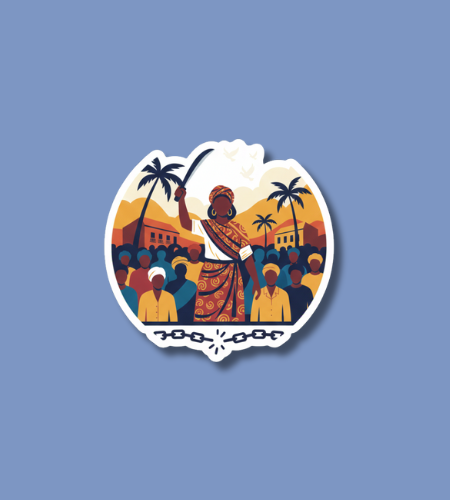
Commemoration of the Batepá Massacre is observed on February 3 each year. Known in São Tomé and Príncipe as Martyrs’ Day, this solemn public holiday honors the hundreds of native Creoles, known as “forros,” who were killed by Portuguese colonial authorities in 1953. The day serves as a national reminder of the struggle for dignity and the high price paid for the country’s eventual independence.
Table of Contents
History of Commemoration of the Batepá Massacre
The massacre began on February 3, 1953, following a period of intense labor tension in the colonial archipelago. Governor Carlos Gorgulho attempted to address labor shortages on cocoa and coffee plantations by forcing the local “forro” population—who traditionally refused manual field labor—into contract work. Rumors spread that the government intended to seize the lands of the natives and subject them to forced labor conditions. When protests broke out in the village of Trindade, colonial forces responded with extreme violence, labeling the unrest a communist conspiracy.
For several weeks, Portuguese landowners and colonial police engaged in a wave of repression that included arrests, torture, and mass killings. Historical estimates of the death toll vary significantly, with local accounts suggesting over 1,000 victims, while colonial records admitted to much lower numbers. The violence only subsided after the arrival of a lawyer from Lisbon who helped secure the release of many prisoners. This event is now recognized as the catalyst for São Toméan nationalism, marking the first major collective resistance against Portuguese rule in the 20th century.
Why is Commemoration of the Batepá Massacre important?
This day is important because it marks the birth of national identity for the people of São Tomé and Príncipe. The shared trauma of the massacre unified various social groups against colonial exploitation, transforming the victims into national martyrs. It serves as a foundation for the country’s historical narrative, ensuring that the transition from a “quasi-feudal” plantation system to a sovereign state is remembered by future generations.
The observance also draws attention to the broader history of human rights and labor struggles in Africa. By acknowledging the Batepá Massacre, the nation honors the resistance against the “indigenato” system, which sought to strip native populations of their legal status and rights. The commemoration provides a time for the public to reflect on the importance of freedom and the ongoing work required to maintain a just and equitable society.
- It honors the “forros” who resisted forced labor and colonial oppression.
- The day identifies the 1953 events as the root of the independence movement.
- It provides a formal space for national mourning and historical reflection.
- The observance acknowledges the role of inter-island solidarity in times of crisis.
- It educates citizens about the specific human rights violations of the colonial era.
How to Observe Commemoration of the Batepá Massacre
The primary way to observe this day is by attending official state ceremonies held at the Fernão Dias memorial site. This monument, located on the beach where many victims were reportedly thrown into the sea, serves as the central location for floral tributes and speeches by government officials. Many citizens observe a moment of silence at noon to respect the memory of those who perished during the weeks of violence in 1953.
Schools and cultural institutions often host lectures or display historical photographs to help the public understand the context of the labor crisis. In local communities, families may gather to share oral histories passed down from survivors, ensuring the personal stories of the martyrs are not lost to time. Radio and television stations typically broadcast documentaries and special programs that analyze the impact of the massacre on the nation’s path to sovereignty in 1975.
- Visit the Fernão Dias monument to lay flowers or offer a silent prayer.
- Participate in state-led memorial services and public processions.
- Watch educational documentaries about the 1953 labor protests.
- Listen to oral histories from elders who remember the colonial period.
- Observe a moment of silence to honor the victims of state violence.
Commemoration of the Batepá Massacre Dates Table
| Year | Date | Day |
|---|---|---|
| 2026 | February 3 | Tuesday |
| 2027 | February 3 | Wednesday |
| 2028 | February 3 | Thursday |
| 2029 | February 3 | Saturday |
| 2030 | February 3 | Sunday |
Subscribe to our newsletter and never miss a holiday again!