
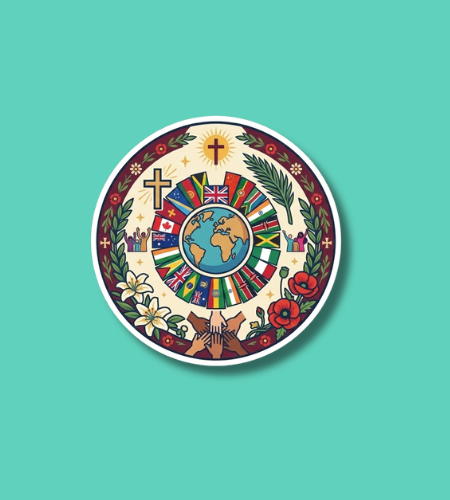
Commonwealth Day is observed on the second Monday of March. In 2026, it falls on March 9. This day celebrates the unity, diversity, and shared values of the 56 member nations that make up the Commonwealth of Nations. It serves as an opportunity for people across Africa, Asia, the Americas, Europe, and the Pacific to promote international cooperation and work toward common goals such as peace, democracy, and sustainable development. 1
Table of Contents
History of Commonwealth Day
The origins of this observance date back to the late 19th century with the establishment of Empire Day, which was first celebrated in Canada in 1898. Originally intended to foster a sense of shared identity among the colonies of the British Empire, the day was observed on May 24, the birthday of Queen Victoria. Following the decolonization movements of the mid-20th century and the formal establishment of the modern Commonwealth in 1949, the focus of the organization shifted from imperial rule to a voluntary association of independent and equal sovereign states.
In 1958, Empire Day was renamed Commonwealth Day to reflect this new relationship based on partnership rather than authority. However, it was not until 1977 that the Commonwealth Secretariat moved the date to the second Monday in March. This specific day was chosen because it did not coincide with any single nation’s unique historical anniversary, ensuring that the celebration remained neutral and inclusive for all member states. Since then, the day has been marked annually by a theme that highlights specific global issues, such as environmental protection or youth empowerment.
Why is Commonwealth Day important?
The significance of this day lies in its role as a global forum for diplomacy and cultural exchange among countries with vast economic and geographical differences. The Commonwealth includes some of the world’s largest and smallest nations, providing a unique platform where small island states have an equal voice alongside global powers. By adhering to the Commonwealth Charter, member nations commit to upholding human rights, the rule of law, and the promotion of social justice. This collective effort is essential for addressing trans-border challenges like climate change and economic inequality.
Furthermore, the day emphasizes the shared history and language that facilitate trade and educational partnerships across the globe. Through the Commonwealth Games and various scholarship programs, the organization fosters strong people-to-people links that transcend political borders. Celebrating this day encourages younger generations to engage with international affairs and understand the benefits of multilateralism. It serves as a reminder that, despite different cultures and traditions, the member nations are bound by a common commitment to improving the lives of their combined 2.5 billion citizens.
- Member nations represent nearly one-third of the world’s total population.
- The organization promotes democratic elections through independent observer groups.
- Commonwealth Day highlights the specific vulnerabilities of small and developing states.
- It facilitates technical cooperation and expertise sharing in fields like law and trade.
- The day celebrates the cultural contributions of diverse member nations through the arts.
How to Celebrate Commonwealth Day
A central tradition of the day is the multi-faith service held at Westminster Abbey in London, which is often attended by the Head of the Commonwealth and representatives from all member countries. Schools across the Commonwealth participate by flying the flags of different nations and holding assemblies focused on global citizenship. Many students engage in research projects to learn about the geography, food, and history of a country other than their own within the association. This educational focus helps build empathy and a broader perspective on world events.
Individuals can celebrate by attending local cultural festivals that showcase the music, dance, and literature of Commonwealth nations. Public lectures and debates are frequently organized to discuss the future of international relations and the progress of the Commonwealth’s developmental goals. On social media, people share messages of peace and cooperation using official hashtags to connect with others globally. Exploring the literature of Commonwealth writers or cooking a traditional dish from a member nation is another meaningful way to acknowledge the day’s spirit of diversity and inclusion.
- Attend a local multi-faith service or community gathering focused on unity.
- Watch the broadcast of the annual Commonwealth Day message from the Head of the Commonwealth.
- Organize a school or workplace event featuring a variety of international cuisines.
- Learn about the specific environmental challenges facing Commonwealth island nations.
- Read a book by an author from a different Commonwealth member state.
Commonwealth Day Dates Table
| Year | Date | Day |
|---|---|---|
| 2026 | March 9 | Monday |
| 2027 | March 8 | Monday |
| 2028 | March 13 | Monday |
| 2029 | March 12 | Monday |
| 2030 | March 11 | Monday |
Subscribe to our newsletter and never miss a holiday again!