
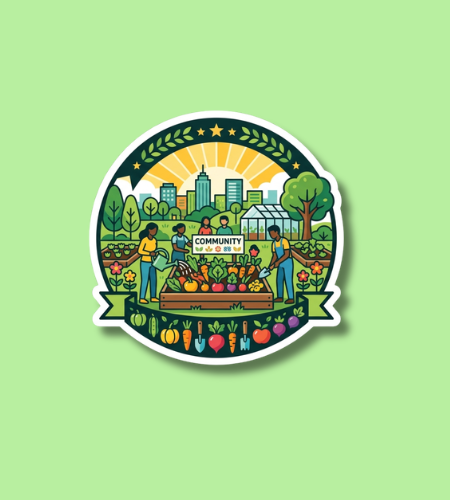
Community Garden Week is observed during the first full week of April. In 2026, it falls from April 6 to April 12. This week celebrates the shared spaces where neighbors come together to grow food, flowers, and stronger relationships. It highlights how urban and rural plots can transform local ecosystems and provide essential green spaces for everyone.
Read also about International Sunflower Guerrilla Gardening Day
Table of Contents
History of Community Garden Week
The concept of community gardening has deep roots in history, notably gaining momentum during the “Victory Gardens” era of World War I and World War II. During these times, the government encouraged citizens to grow their own produce to supplement food rations. Following the wars, many of these gardens evolved into permanent community spaces.
Modern Community Garden Week was established to recognize the revitalization of these spaces in the late 20th century. Organizations like the American Community Gardening Association (ACGA) and various urban farming initiatives pushed for a dedicated week to advocate for land rights and to celebrate the volunteers who maintain these “urban oases.” In recent years, the week has focused heavily on sustainability, food security, and the preservation of heirloom seeds.
Why is Community Garden Week important?
This week is important because community gardens address critical issues like food deserts—areas where fresh, affordable produce is difficult to obtain. By providing a space for residents to grow their own vegetables, these gardens empower individuals and improve public health. They also serve as vital educational classrooms where children and adults alike can learn about biology, nutrition, and the source of their food.
Beyond nutrition, community gardens are essential for environmental health. They reduce the “urban heat island” effect, provide habitats for pollinators like bees and butterflies, and help manage stormwater runoff. Socially, they act as “green anchors” for neighborhoods, reducing crime rates and increasing property values by fostering a sense of collective ownership and pride among residents.
- It highlights the role of shared gardens in reducing food insecurity.
- The week promotes physical activity and mental well-being through outdoor labor.
- It recognizes the ecological importance of green spaces in crowded cities.
- The holiday fosters intergenerational connection as seniors mentor younger gardeners.
- It advocates for the protection of public land for community use.
How to Celebrate Community Garden Week
The best way to celebrate is to get your hands dirty! You can visit a local community garden to volunteer for a spring cleanup or help prep the soil for the coming season. Many gardens host “open house” events during this week, offering workshops on composting, seed starting, or organic pest control. If you aren’t already a member, April is the perfect time to sign up for a plot or join a waitlist.
If you don’t have a local garden nearby, you can observe the week by starting a small-scale version on your own block or balcony. Guerrilla gardening—planting wildflowers or sunflowers in neglected public patches (with permission or caution)—is another way to spread the spirit of the week. Sharing photos of your local “green space” on social media with the hashtag #CommunityGardenWeek helps raise awareness for the funding and protection these spaces often require.
- Volunteer for a few hours to help with weeding or mulching a public plot.
- Donate tools, seeds, or organic fertilizer to a local gardening collective.
- Attend a workshop to learn about native plants and local pollinators.
- Host a “seed swap” with neighbors to diversify everyone’s harvest.
- Advocate to your local city council for more protected green spaces in your area.
Community Garden Week Dates Table
| Year | Date | Day |
|---|---|---|
| 2026 | April 1 | Wednesday |
| 2027 | April 1 | Thursday |
| 2028 | April 1 | Saturday |
| 2029 | April 1 | Sunday |
| 2030 | April 1 | Monday |
Subscribe to our newsletter and never miss a holiday again!