
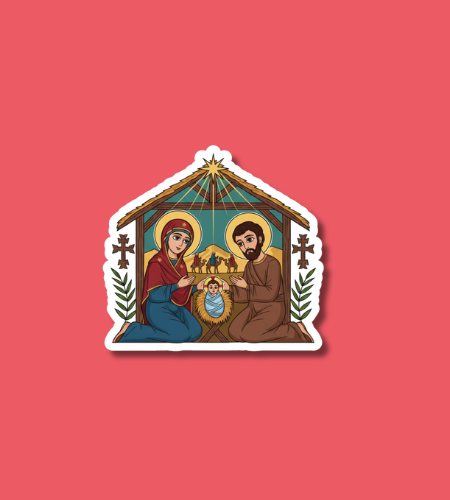
Coptic Christmas is observed by Coptic Orthodox Christians on January 7. This date corresponds to the 29th day of the Coptic month of Kiahk, following the ancient Coptic calendar which remains aligned with the Julian system. While Western Christian denominations celebrate the birth of Jesus on December 25, the 13-day discrepancy exists because the Coptic Church did not adopt the Gregorian calendar reform introduced in 1582.
Table of Contents
History of Coptic Christmas
The roots of this holiday trace back to the first century when Saint Mark the Evangelist introduced Christianity to Egypt. The Coptic Church is one of the oldest Christian institutions in the world, and its liturgical practices have remained largely unchanged for nearly two millennia. For the first few centuries of the early Church, the Nativity was celebrated on different dates until the Council of Chalcedon and subsequent traditions solidified the late December or early January timing across various regions.
The specific selection of January 7 is the result of mathematical differences between calendar systems rather than theological disputes. In the 16th century, Pope Gregory XIII realized the Julian calendar was drifting away from the solar year and removed ten days to realign it. The Coptic Orthodox Church maintained the original calendar to preserve historical continuity and liturgical tradition. Because the Julian calendar adds a leap day slightly more often than the Gregorian system, the gap has widened over time to the current thirteen days.
Why is Coptic Christmas important?
This holiday signifies the end of the Holy Nativity Fast, a period of 43 days during which believers abstain from all animal products, including meat, dairy, and eggs. The fast represents a time of spiritual purification and self-discipline, preparing the heart and mind for the celebration of Christ’s birth. For Coptic Christians, the day is the second most significant feast of the year, following Easter, and serves as a powerful expression of their unique cultural and religious identity.
The celebration emphasizes the concept of the Incarnation and the arrival of peace on Earth. It is a time for communal unity where families gather after weeks of sacrifice to share a rich, celebratory feast. In Egypt, where the Coptic community is a significant minority, the holiday is also a symbol of national heritage. It provides an opportunity for interfaith respect as neighbors and friends often exchange greetings and sweets regardless of their own religious backgrounds.
- It marks the successful completion of a 43-day vegan fasting period.
- The holiday honors the theological importance of the birth of Jesus Christ.
- It preserves the ancient traditions and language of the early Egyptian Church.
- The day strengthens community bonds through shared prayers and charitable acts.
- It serves as a public recognition of Coptic identity and history.
How to Celebrate Coptic Christmas
Celebrations begin on Christmas Eve, January 6, with a grand liturgy that typically starts late in the evening and continues past midnight. Churches are decorated with colorful lights and candles, and worshippers often wear new clothes to signify a fresh start. The service is characterized by ancient hymns chanted in the Coptic language and Arabic. Once the mass concludes, families return home to break their fast with a traditional meal known as “fatta,” which consists of rice, bread, boiled lamb, and a distinct garlic and vinegar sauce.
The following day is spent visiting relatives and friends to exchange gifts and well-wishes. Children often receive “Eidyia,” which is a small gift of money from elders, a tradition shared with other Egyptian festivals. A staple of the holiday table is “kahk,” which are butter cookies filled with nuts or dates and covered in powdered sugar. Many families also decorate artificial trees and wait for “Baba Noël,” the Egyptian version of Santa Claus, to bring presents to the children during the night.
- Attend a midnight mass filled with traditional incense and Coptic chanting.
- Prepare and serve a festive dinner featuring meat-based dishes like fatta.
- Bake or purchase kahk cookies to share with guests and neighbors.
- Gift new clothes to family members to wear during the church services.
- Exchange small monetary gifts or “Eidyia” with the younger children in the family.
Coptic Christmas Dates Table
| Year | Date | Day |
|---|---|---|
| 2026 | January 7 | Wednesday |
| 2027 | January 7 | Thursday |
| 2028 | January 7 | Friday |
| 2029 | January 7 | Sunday |
| 2030 | January 7 | Monday |
Subscribe to our newsletter and never miss a holiday again!