
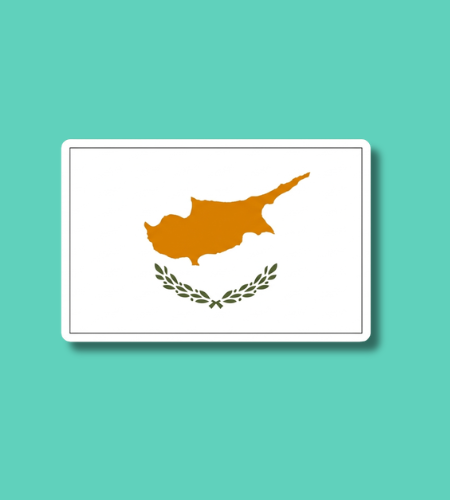
Cyprus National Holiday, also widely known as EOKA Day or Greek Cypriot National Day, is a patriotic public holiday observed annually on April 1 to commemorate the start of the island’s struggle for freedom from British colonial rule. This significant date serves as a powerful reminder of the nation’s journey toward self-determination and the sacrifices made by those who fought for the island’s future. Throughout the Republic of Cyprus, the day is marked by a mix of solemn remembrance and national pride, with many people taking the opportunity to reflect on their cultural heritage. Most government offices, banks, and businesses close for the day, allowing citizens to participate in community events or spend quiet time with their families. While the country celebrates its official sovereignty on Independence Day in October, this April observance specifically honors the brave spirit of the 1955 uprising that eventually paved the way for a sovereign republic.
Read also about Cyprus Independence Day
Table of Contents
History of Cyprus National Holiday
The historical significance of this holiday is rooted in the events of the mid-20th century when Cyprus was still a British crown colony. On April 1, 1955, the National Organization of Cypriot Fighters, commonly known as EOKA (Ethniki Organosis Kyprion Agoniston), launched a series of coordinated military strikes against British installations and government buildings across the island. Led by Georgios Grivas and supported by political figures like Archbishop Makarios III, the movement aimed to end British administration and achieve “enosis,” or political union with Greece. This initial wave of attacks signaled the formal beginning of a four-year guerrilla war that fundamentally changed the political landscape of the eastern Mediterranean.
Throughout the late 1950s, the EOKA campaign persisted through a combination of armed struggle and civil disobedience, creating a state of emergency that forced the British government to the negotiating table. Although the movement’s original goal of unification with Greece was not fully realized, the conflict led to the London-Zurich Agreements in 1959. These agreements established the framework for a new, independent state rather than a union with another country. Consequently, Cyprus officially transitioned from a colony to an independent republic in 1960. Today, April 1 remains the primary date for honoring the early defiance and persistence of the Cypriot people during those transformative years of the liberation struggle.
Why is Cyprus National Holiday important?
This holiday is essential for maintaining the collective memory and national identity of the Greek Cypriot people. It provides a dedicated time to honor the thousands of fighters and civilians who endured imprisonment or lost their lives during the turbulent period of the 1955–1959 insurgency. By focusing on the “beginning” of the struggle, the holiday emphasizes the courage required to take the first step toward freedom against a powerful colonial empire. It serves as a bridge between generations, ensuring that young Cypriots understand the historical context and the values of resilience that undergird their modern society.
Beyond historical education, the day is a unifying force that fosters a sense of gratitude for the civil liberties enjoyed by the population today. While the holiday has solemn roots, it also encourages a spirit of national pride and cultural continuity. It is a day when the community reaffirms its commitment to sovereignty and reflects on the unique challenges the island has faced in the decades since independence. For the global Cypriot diaspora, the holiday remains a vital link to their ancestral home, offering a shared moment to celebrate their heritage and the enduring strength of the Cypriot character.
- It honors the historical figures who led the campaign for national liberation.
- The day strengthens the bond between the citizens and their national history.
- Schools use the weeks leading up to the date to teach students about self-determination.
- It provides a moment for the nation to pause and reflect on the price of peace.
- The holiday marks the pivotal shift from colonial administration to home-grown governance.
How to Celebrate Cyprus National Holiday
Observing the holiday typically begins with official religious services and memorial prayers held in churches throughout the Republic of Cyprus. Families often visit the Graves of the Imprisoned in Nicosia, a sacred site where many EOKA fighters were executed and buried, to lay wreaths and light candles in their honor. In major towns and cities, the streets are often filled with students, veterans, and military units participating in grand parades while carrying the Greek and Cypriot flags. These public displays are a cornerstone of the celebration, showcasing a visible and vibrant sense of national unity and respect for the past.
In addition to formal ceremonies, many Cypriots spend the public holiday engaging in cultural activities or enjoying traditional Mediterranean meals with their loved ones. It is common to see people visiting the Museum of the Struggle for Independence in Nicosia, which often holds special exhibitions or events for the occasion. Since businesses and schools are closed, the day also serves as a time for relaxation and community bonding. Whether through attending a local parade, flying a flag from a balcony, or simply sharing stories of family history, the celebration remains a heartfelt tribute to the island’s enduring quest for liberty and dignity.
- Attend a morning church service dedicated to the memory of those who fell in the struggle.
- Watch the student and veteran parades that take place in the island’s major city centers.
- Visit a local monument or historical museum to learn more about the 1955 uprising.
- Fly the national flag prominently to show solidarity and patriotic pride.
- Share a traditional meal, such as kleftiko or grilled halloumi, with family and friends.
Cyprus National Holiday Dates Table
| Year | Date | Day |
|---|---|---|
| 2026 | April 1 | Wednesday |
| 2027 | April 1 | Thursday |
| 2028 | April 1 | Saturday |
| 2029 | April 1 | Sunday |
| 2030 | April 1 | Monday |
Subscribe to our newsletter and never miss a holiday again!