
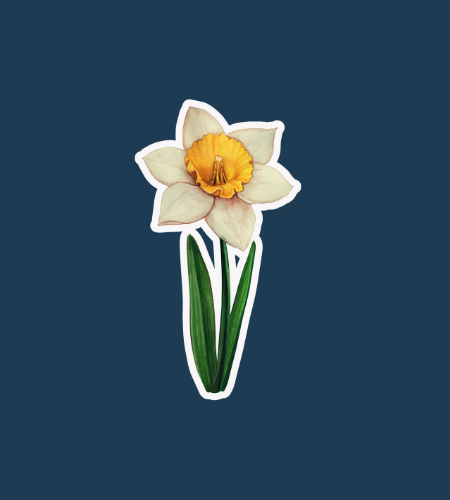
Daffodil Day is a significant fundraising event held annually to support cancer research and patient services, typically observed on the last Friday of August in many regions, including Australia and New Zealand, while Ireland observes it in late March. In 2026, the Southern Hemisphere observance falls on August 28, whereas the Irish event takes place on March 22. The daffodil was chosen as the symbol for this day because it is one of the first flowers to bloom in spring, representing resilience, rebirth, and the hope for a future without cancer. This day unites communities in a common cause, turning streets and workplaces yellow as volunteers distribute fresh flowers and pins to raise vital funds for life-saving medical advancements.
Read also about Daffodil Day in March
Table of Contents
History of Daffodil Day
The first Daffodil Day was organized by the Canadian Cancer Society in 1957 when volunteers distributed the flowers to raise money for research. The idea quickly spread globally due to the flower’s powerful symbolism and its universal appeal as a harbinger of spring. In 1986, the Cancer Council in Australia adopted the concept, launching its first national campaign which has since grown into one of the most successful and recognizable fundraising events in the Southern Hemisphere.
Over the decades, the event has evolved from a simple flower sale into a multi-faceted campaign involving corporate partnerships, school events, and digital fundraising. Each country that observes the day has tailored the timing to match their local spring or historical fundraising calendars. Despite these regional differences, the core mission remains unchanged: to fund the work of scientists and healthcare professionals who strive to improve cancer prevention, detection, and treatment for patients everywhere.
Why is Daffodil Day important?
The funds raised on this day are a primary source of income for cancer charities, directly financing clinical trials and the development of new therapies. Because many cancer organizations do not receive full government funding, public contributions during this event are essential for maintaining 24-hour support hotlines and transportation services for patients undergoing treatment. This financial support ensures that no individual has to face the challenges of a diagnosis alone, providing a safety net for families during their most difficult times.
Beyond the financial impact, the day plays a crucial role in public health education. It serves as a high-visibility platform to share information about early detection signs and lifestyle choices that can reduce cancer risks. By sparking conversations in workplaces and communities, the event helps normalize the discussion around cancer, reducing the fear and isolation often associated with the disease. The sight of thousands of people wearing yellow creates a powerful visual message of solidarity and collective strength.
- Every flower sold contributes to the multi-million dollar investment in cancer research.
- It funds local support groups and counseling services for those affected by a diagnosis.
- The day raises awareness about the importance of regular health screenings and check-ups.
- It provides a dedicated moment for people to honor survivors and remember loved ones lost.
- Community participation helps foster a sense of hope and progress in the fight against illness.
How to Celebrate Daffodil Day
Participating in the day can be as simple as purchasing a fresh bunch of daffodils or a commemorative pin from a local volunteer station. Many people choose to decorate their offices or homes with yellow flowers to show their support and start conversations with colleagues and neighbors. In schools and workplaces, “Yellow Days” are popular, where participants wear yellow clothing and host small events like bake sales or morning teas to collect donations for local cancer societies.
For those looking for a more active role, volunteering to help with the street appeal is a traditional way to contribute. Volunteers assist by staffing stalls in shopping centers and transit hubs, distributing flowers and taking donations. Digital participation has also become a major component of the holiday, with supporters creating personal fundraising pages to share their stories and collect contributions from friends and family online. Regardless of the method, the focus is on collective action and the shared goal of supporting those in need.
- Wear a yellow ribbon or a daffodil pin to show visible support for the cause.
- Purchase a bunch of fresh daffodils from a community stall to brighten your space.
- Organize a themed morning tea or lunch with friends to raise small donations.
- Sign up as a volunteer for a few hours to help distribute flowers in public areas.
- Share information about the day on social media to encourage others to contribute.
Daffodil Day Dates Table
| Year | Date | Day |
|---|---|---|
| 2026 | August 28 | Friday |
| 2027 | August 27 | Friday |
| 2028 | August 25 | Friday |
| 2029 | August 31 | Friday |
| 2030 | August 30 | Friday |
Subscribe to our newsletter and never miss a holiday again!