
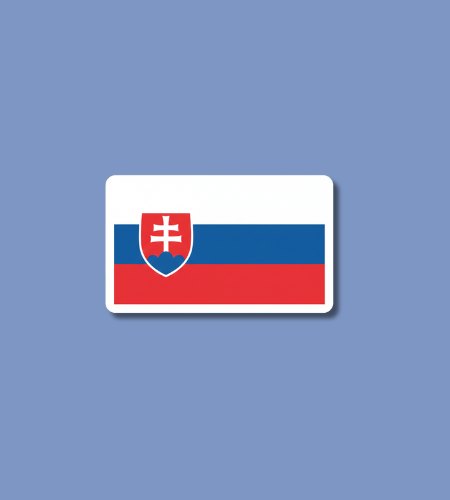
Day of the Establishment of the Slovak Republic is observed on January 1. This national holiday commemorates the date in 1993 when Slovakia officially became an independent state following the peaceful dissolution of Czechoslovakia. Often referred to as the “Velvet Divorce,” this transition allowed the Slovak people to achieve full sovereignty and pursue their own path as a modern democratic republic in Central Europe.
Table of Contents
History of Day of the Establishment of the Slovak Republic
The origins of this holiday are found in the shifting political landscape of the late 20th century. After decades of being part of a unified Czechoslovak state, which was first established in 1918, the desire for self-determination grew among Slovak political leaders. In 1968, Czechoslovakia had become a federation of two republics, but central authority remained strong until the Velvet Revolution of 1989. The fall of the communist regime opened the door for deep discussions about the future of the union, leading to a formal declaration of sovereignty by the Slovak National Council in July 1992.
Following intense negotiations between Czech and Slovak representatives, an agreement was reached to dissolve the federation entirely. On November 25, 1992, the federal parliament voted to end the country’s existence at the stroke of midnight on December 31. This allowed for a remarkably peaceful separation that avoided the ethnic conflicts seen in other parts of Eastern Europe during the same era. On the morning of January 1, 1993, the Slovak Republic was officially recognized as a new independent entity on the world stage.
Why is Day of the Establishment of the Slovak Republic important?
This day represents the fulfillment of a long-held aspiration for a distinct Slovak national identity within a legal and political framework. It marks the moment the nation gained the authority to manage its own economy, foreign policy, and domestic laws. The establishment of the republic is a testament to the peaceful resolution of political differences, showing that complex statehood issues can be settled through dialogue rather than force. It serves as the primary symbol of the country’s transformation into a modern, democratic member of the European community.
Beyond the political implications, the holiday fosters a sense of unity and pride among the citizens. It is a time to reflect on the historical journey of the Slovak people, from their early Slavic roots to their current status as a sovereign nation. The celebration highlights the importance of cultural heritage, the Slovak language, and the civic values that define the country’s character. By honoring this day, the population reaffirms its commitment to the democratic principles laid out in the 1992 constitution.
- It celebrates the birth of the independent and democratic Slovak Republic.
- The holiday honors the peaceful nature of the separation from Czechoslovakia.
- It reinforces the cultural and linguistic identity of the Slovak people.
- This day marks the beginning of Slovakia’s path toward European integration.
- It serves as a reminder of the historical struggle for national self-determination.
How to Celebrate (or Observe) Day of the Establishment of the Slovak Republic
Observation of this day often begins with formal state ceremonies held in the capital city of Bratislava. High-ranking government officials participate in the ceremonial raising of the national flag at the Slovak National Council building. Many citizens attend public concerts and folklore performances that showcase traditional music and dance. Because the holiday coincides with New Year’s Day, the atmosphere is often celebratory, with fireworks displays lighting up the night sky in major towns across the country.
Since it is a public holiday, most businesses and shops are closed, allowing families to spend the day together. Many people use the time for quiet reflection or to visit historical sites such as Bratislava Castle or the ruins of Devín Castle, which are significant symbols of Slovak history. In smaller communities, local leaders may host commemorative gatherings or small parades. It is also common for the President of the Slovak Republic to deliver a national address, focusing on the achievements of the past year and goals for the future.
- Attend the official flag-raising ceremonies and parades in the center of Bratislava.
- Watch the televised presidential address to the nation on the morning of the holiday.
- Visit national monuments and historical castles to learn about the country’s heritage.
- Participate in local community gatherings featuring traditional Slovak food and music.
- Fly the Slovak national flag at home to show support for the country’s sovereignty.
Day of the Establishment of the Slovak Republic Dates Table
| Year | Date | Day |
|---|---|---|
| 2026 | January 1 | Thursday |
| 2027 | January 1 | Friday |
| 2028 | January 1 | Saturday |
| 2029 | January 1 | Monday |
| 2030 | January 1 | Tuesday |
Subscribe to our newsletter and never miss a holiday again!