


Disobedience Day

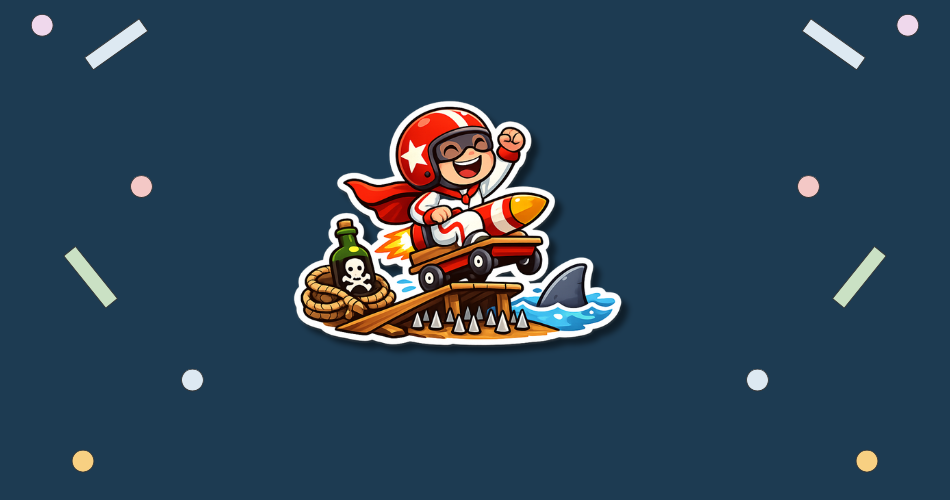
Disobedience Day is observed every year on July 3. In 2027, this date falls on a Saturday. The unofficial observance invites people to question pointless rules, rethink routines, and draw a clear line between harmless personal rebellion and unsafe or unlawful behavior. It also points toward a serious idea: principled, nonviolent resistance has shaped movements for rights, dignity, and reform. The tone is playful, but the best version of the day keeps respect, safety, and conscience in view. 1
Contents
See also: Prisoners for Peace Day, EuroMayDay, You Matter To Me Day, Black Lives Matter Day, Girl Me Too Day
HT Meter
Does this day matter to you?
Tap the meter if it does, and say whether you will be celebrating — that is what opens the wishes from everybody else who will be.
This day matters to me
0 Be the first to say so
Just getting started
0 Let others know you’re in.
Wishes, greetings and stories
Join the celebration to share a wish, a greeting, or how this day goes in your house.
These are kept for the people celebrating this day. Say you will be celebrating to read them and to add your own.
You have already shared something here recently.
Nothing here yet. Yours would be the first.
History of Disobedience Day
Disobedience Day does not have a clearly confirmed founder, sponsoring organization, or official origin story. It is best understood as a modern informal observance, not a government holiday or a formally proclaimed date. The fixed date of July 3 places it close to Independence Day in the United States, which gives the idea of questioning authority an easy cultural association, but that connection should not be treated as a proven origin. In practice, the day has developed around small acts of independence, healthy skepticism, and reflection on the role of disobedience in social life.
Devotion to Duty Day
The broader idea behind the day reaches much further than any modern holiday listing. Civil disobedience generally refers to a nonviolent refusal to obey certain laws, orders, or demands when conscience says they are unjust, often with a willingness to accept the consequences. Henry David Thoreau’s 1849 essay on resistance to civil government helped shape later discussions of conscience and law. Mahatma Gandhi later used nonviolent civil disobedience in campaigns against injustice, and the same tradition influenced other movements that used disciplined, public resistance rather than violence.
Why is Disobedience Day important?
Disobedience Day is useful because it separates blind rule-following from thoughtful judgment. Rules can protect people, keep communities organized, and make daily life fairer, but not every rule is wise, necessary, or applied fairly. A harmless observance like this gives people room to ask why a rule exists and who benefits from it. That question can apply to personal habits, family expectations, workplace routines, and larger civic issues.
The day also helps explain why disobedience is not automatically the same as chaos. Responsible disobedience is usually guided by conscience, restraint, and a clear purpose. In history, nonviolent resistance has often required discipline rather than impulse, because the goal is to expose unfairness, not simply to break things. On a personal level, the day can make people more comfortable setting boundaries, saying no, and thinking for themselves.
- It encourages people to question rules that no longer make sense.
- It connects playful rebellion with serious civic history.
- It supports independent thinking without promoting harm.
- It makes room for respectful disagreement.
- It reminds people that conscience matters in public life.
How to Celebrate Disobedience Day
Make it yours
How would you like to spend Disobedience Day?
Tick what fits you, and we will put together ideas made for this day — not for any day.
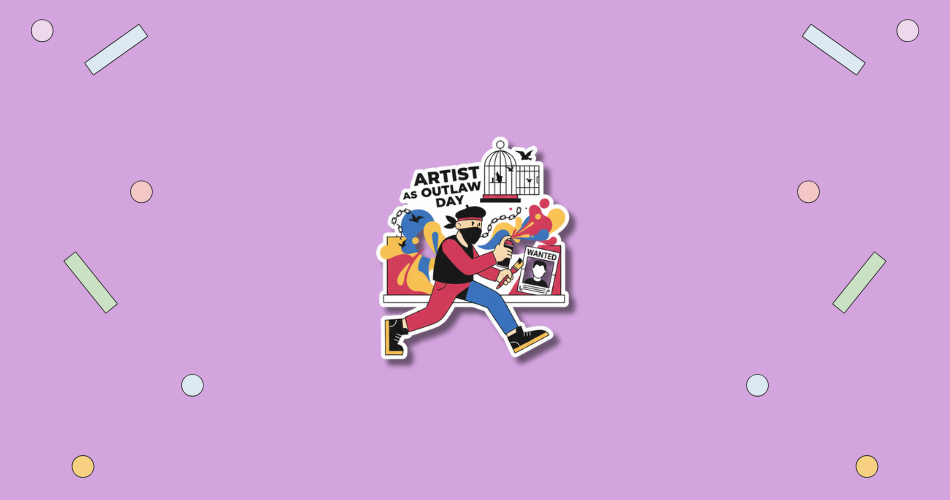
Artist as Outlaw Day
Break a harmless routine that has been running on autopilot. Take a different route, rearrange a schedule, eat dessert before dinner, or wear something that ignores an outdated style rule. Ask why a household habit or workplace custom exists before following it again. Keep the spirit light, legal, and kind, because the point is independence of thought, not creating trouble for other people.
Use part of the day to learn about civil disobedience as a serious practice. Read about a nonviolent protest movement, discuss the difference between an unfair rule and a necessary safety rule, or look at how activists have used restraint to make injustice visible. Families can use the day to let children ask “why” about rules instead of shutting the question down. Adults can use it to practice a calm, respectful no when a request is unreasonable.
- Skip one unnecessary routine.
- Read a short essay on civil disobedience.
- Ask a thoughtful question about a rule.
- Set one clear personal boundary.
- Choose a harmless act of creative rebellion.
Disobedience Day Dates
| Year | Date | Day of the week |
|---|---|---|
| 2026 | July 3 | Friday |
| 2027 next | July 3 | Saturday |
| 2028 | July 3 | Monday |
| 2029 | July 3 | Tuesday |
| 2030 | July 3 | Wednesday |