
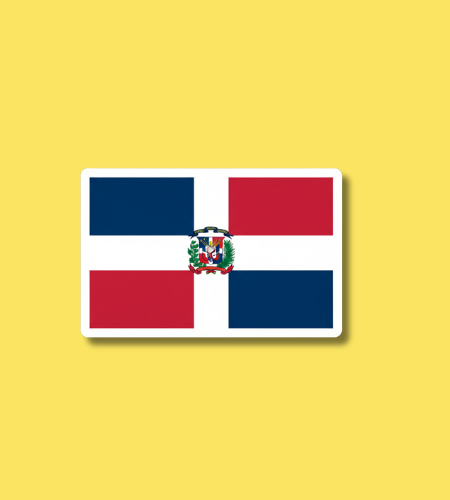
Dominican Republic Independence Day is observed on February 27. This national holiday commemorates the country’s declaration of sovereignty from Haitian rule in 1844. It serves as the culmination of a month-long period of patriotic celebration known as Mes de la Patria, which begins in late January.
Table of Contents
History of Dominican Republic Independence Day
The movement for independence was led by a secret revolutionary society called La Trinitaria, founded by Juan Pablo Duarte in 1838. Duarte, alongside fellow patriots Francisco del Rosario Sánchez and Ramón Matías Mella, organized the group into small cells to evade detection by Haitian authorities. After 22 years of unification under the Haitian government, the Trinitarios seized the opportunity to revolt during a period of political instability within Haiti.
On the night of February 27, 1844, the revolutionaries gathered at the Puerta del Conde in Santo Domingo. Mella fired a legendary blunderbuss shot, known as the trabucazo, to signal the start of the uprising. Sánchez then raised the first Dominican flag, and the independence of the new republic was officially proclaimed. Although Spain briefly reclaimed the territory in the 1860s, the events of 1844 remain the primary symbol of the birth of the Dominican nation.
Why is Dominican Republic Independence Day important?
This holiday represents the resilience of the Dominican people and their commitment to self-determination. It honors the “Founding Fathers” who risked their lives to establish a democratic state based on the principles of liberty. The celebration reinforces a shared national identity, particularly through the display of the flag and the recitation of the national motto, “Dios, Patria y Libertad.”
Beyond the political history, the day serves as a vital cultural link for the Dominican diaspora around the world. It provides a moment to celebrate the unique fusion of European, African, and indigenous Taíno influences that define the nation’s heritage. The festivities ensure that the stories of the revolution and the evolution of Dominican music, art, and language are passed down to younger generations.
- It marks the end of 22 years of foreign occupation.
- The holiday honors the sacrifices of the three founding fathers.
- It highlights the unique design of the only national flag with a Bible.
- The day fosters a sense of unity among Dominicans living abroad.
- Patriotic education is emphasized in schools throughout the entire month.
How to Celebrate Dominican Republic Independence Day
The most prominent way to celebrate is by attending or watching the grand military parade held along the Malecón in Santo Domingo. The President of the Republic delivers an annual address to the National Congress, reflecting on the state of the nation and honoring historical heroes. Many people visit the Altar de la Patria, a white marble mausoleum where the remains of the founding fathers are interred, to lay floral offerings.
Festivities often merge with Carnival traditions, creating a vibrant display of costumes and music. Characters like the Diablo Cojuelo wander the streets, while families gather to share traditional meals. A staple dish for the day is La Bandera Dominicana, which consists of rice, beans, and meat, mirroring the colors of the national flag. Merengue and bachata music fill public squares, turning the solemn anniversary into a spirited cultural festival.
- Display the national flag from balconies and windows.
- Prepare a traditional meal of sancocho or La Bandera.
- Watch the colorful Carnival parades featuring traditional masks.
- Listen to national anthems and traditional merengue music.
- Visit historical landmarks like the Puerta del Conde.
Dominican Republic Independence Day Dates Table
| Year | Date | Day |
|---|---|---|
| 2026 | February 27 | Friday |
| 2027 | February 27 | Saturday |
| 2028 | February 27 | Sunday |
| 2029 | February 27 | Tuesday |
| 2030 | February 27 | Wednesday |
Subscribe to our newsletter and never miss a holiday again!