
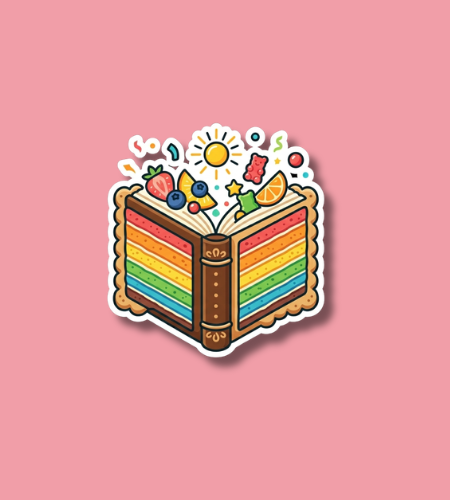
Edible Book Day is an international celebration of literature and the culinary arts that encourages participants to create and consume art inspired by books on April 1. This unique event, also known as the International Edible Book Festival, brings together bibliophiles, foodies, and book artists from across the globe to pay tribute to the written word in the most delicious way possible. The festival is a whimsical tradition where participants craft “edible books”—creations that must be “bookish” in nature, whether by resembling a physical book, illustrating a literary theme, or incorporating a clever pun on a famous title. Unlike a typical library visit, this day invites the public to literally “eat their words” after the displays have been photographed and judged. It is a day that celebrates creativity, humor, and the shared human love for stories and good food, transforming reading from a solitary act into a vibrant, communal banquet.
Read also about Book Lovers Day
Table of Contents
History of Edible Book Day
The origins of this unique holiday date back to 1999 when book artists Judith A. Hoffberg and Béatrice Coron conceived the idea during a Thanksgiving dinner. They envisioned a global event that would unite bibliophiles and food enthusiasts through book-inspired edible creations. The first official International Edible Book Festival was held in 2000, and it has since grown into a worldwide phenomenon with participants from dozens of countries, including Japan, Brazil, and Germany. The festival is traditionally documented on the “Books2Eat” website, which was created to preserve images of the edible art before it is consumed.
The date of April 1 was specifically chosen to commemorate the birthday of Jean-Anthelme Brillat-Savarin, a famous 18th-century French gastronome. Brillat-Savarin is best known for his book Physiologie du goût (The Physiology of Taste), a witty and profound meditation on the art of dining. By aligning the festival with his birth and April Fools’ Day, the founders established a lighthearted atmosphere where people could engage with literature in a playful manner. The event has evolved from a small gathering of artists into a staple for libraries and universities, often featuring competitions with categories like “Most Literary” or “Best Pun.”
Why is Edible Book Day important?
This celebration plays a vital role in promoting literacy and creative expression in an accessible, community-focused way. It transforms the solitary act of reading into a social experience where stories are interpreted through texture, flavor, and visual design. By challenging people to represent complex narratives or book titles through food, the holiday sparks deep engagement with literary themes. It bridges the gap between high art and everyday life, showing that creativity can be found in the kitchen as easily as in a library.
For libraries and educational institutions, the day serves as a powerful engagement tool that draws in diverse audiences. It provides a platform for showcasing the wit and ingenuity of local communities while raising awareness for library collections. The ephemeral nature of the art—created to be photographed and then eaten—teaches participants to appreciate the beauty of the moment. Ultimately, the day fosters a sense of global connection among book lovers, celebrating the universal human impulse to tell stories and share a meal.
- It encourages people to revisit their favorite books for creative inspiration.
- The holiday promotes the idea that art can be functional and interactive.
- Libraries use the event to build stronger relationships with their patrons.
- It highlights the historical contributions of gastronomes to culinary literature.
- The festival provides a venue for humor and clever wordplay through puns.
How to Celebrate Edible Book Day
Celebrating involves creating a dish that represents a specific book title, character, or plot point using entirely edible materials. Many participants choose to make “punny” entries, such as a “Catcher in the Rye” made with actual rye bread or “The Life of Pi” represented by a circular fruit tart. Once the creation is finished, it is typically displayed at a local festival or shared online for others to admire. The most important part of the celebration is the communal banquet where the edible books are eventually shared among the attendees.
If there is no local festival nearby, individuals can host their own “Books2Eat” party at home with friends or family. This involves inviting guests to bring a literary-themed snack and guessing the titles each dish represents. Educators often bring the celebration into the classroom by having students decorate cookies or cupcakes based on a story they are currently reading. Whether the entry is a professional-grade cake or a simple arrangement of vegetables, the focus is on the joy of blending the world of words with the world of food.
- Bake a cake shaped like your favorite novel or a stack of books.
- Host a small gathering where guests guess the book titles of the snacks.
- Take a high-quality photo of your creation before it is eaten.
- Use frosting or edible markers to write famous quotes on your food.
- Visit a library or bookstore hosting an official edible book contest.
Edible Book Day Dates Table
| Year | Date | Day |
|---|---|---|
| 2026 | April 1 | Wednesday |
| 2027 | April 1 | Thursday |
| 2028 | April 1 | Saturday |
| 2029 | April 1 | Sunday |
| 2030 | April 1 | Monday |
Subscribe to our newsletter and never miss a holiday again!