
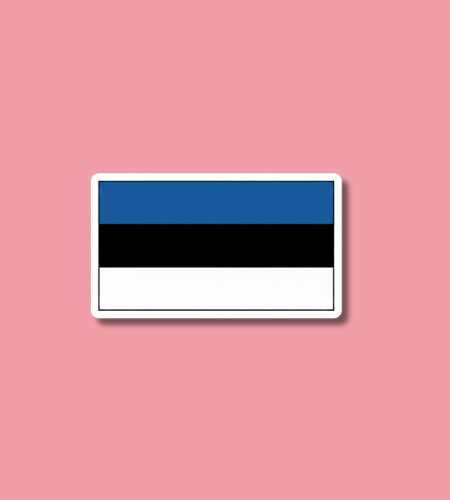
Estonia Independence Day is celebrated annually on February 24. This national holiday, known in Estonian as Iseseisvuspäev, marks the anniversary of the Declaration of Independence in 1918. It is the most significant date in the Estonian calendar, representing the birth of the Republic of Estonia as a sovereign state following centuries of foreign rule.
Table of Contents
History of Estonia Independence Day
The historical significance of this day traces back to the final stages of World War I. On February 24, 1918, while Russian forces were retreating and German troops were advancing, the Salvation Committee of the Estonian Provincial Assembly published the Manifesto to the Peoples of Estonia. This document formally declared Estonia an independent and democratic republic. However, the struggle for actual sovereignty continued through the Estonian War of Independence against Soviet Russia, which ended with the Treaty of Tartu in 1920.
During the subsequent Soviet occupation from 1940 to 1991, public celebration of Independence Day was strictly prohibited and suppressed. Despite the risks, many Estonians kept the tradition alive in private or through symbolic acts of resistance. The holiday regained its official status during the “Singing Revolution” and the restoration of independence in 1991. Today, the date serves as a powerful reminder of the resilience of the Estonian people and their successful pursuit of self-determination.
Why is Estonia Independence Day important?
This holiday is a fundamental pillar of Estonian national identity and cultural continuity. For a small nation that has faced numerous periods of occupation, the day represents the hard-won right to speak the Estonian language, practice local traditions, and govern its own territory. It is a time to honor the military personnel and political figures who sacrificed their lives during the War of Independence to ensure the country’s survival.
The importance of the day extends to the modern successes of the nation, highlighting Estonia’s transition into a technologically advanced and digitally integrated society. It provides an opportunity for citizens to reflect on the progress made since the restoration of independence and to reinforce the country’s ties with international partners. By coming together in celebration, Estonians reaffirm their commitment to democracy and the preservation of their unique Baltic heritage.
- The holiday commemorates the specific moment Estonia transitioned from a province to a republic
- It honors the historical figures who drafted the Declaration of Independence in Pärnu
- The day strengthens the bond between the Estonian defense forces and the civilian population
- Public celebrations foster a sense of unity among Estonians living at home and abroad
- It marks the preservation of the Estonian language and cultural autonomy
How to Celebrate Estonia Independence Day
The celebration traditionally begins at sunrise with a formal flag-raising ceremony at the Pikk Hermann tower in Tallinn, accompanied by the national anthem. Throughout the day, various cities host military parades featuring the Estonian Defence Forces and members of the Defence League. Families typically gather for a festive meal that often includes traditional Estonian foods such as sprats on black bread, kama, and cakes decorated in the national colors of blue, black, and white.
A central highlight of the evening is the President’s Independence Day reception and concert, which is broadcast nationwide. This event features a formal handshaking ceremony where the President greets hundreds of invited guests from various sectors of society. Many citizens choose to participate by attending local concerts, lighting candles in their windows, or taking part in communal hikes and outdoor activities to appreciate the natural beauty of the Estonian landscape.
- Attend the sunrise flag-raising ceremony at Toompea Hill in Tallinn
- Watch the annual military parade featuring national and allied defense units
- Prepare a festive dinner featuring traditional Estonian rye bread and fish
- Display the blue, black, and white national flag on your home or business
- Watch the presidential reception and awards ceremony on national television
Estonia Independence Day Dates Table
| Year | Date | Day |
|---|---|---|
| 2026 | February 24 | Tuesday |
| 2027 | February 24 | Wednesday |
| 2028 | February 24 | Thursday |
| 2029 | February 24 | Saturday |
| 2030 | February 24 | Sunday |
Subscribe to our newsletter and never miss a holiday again!