



European Day of Parks
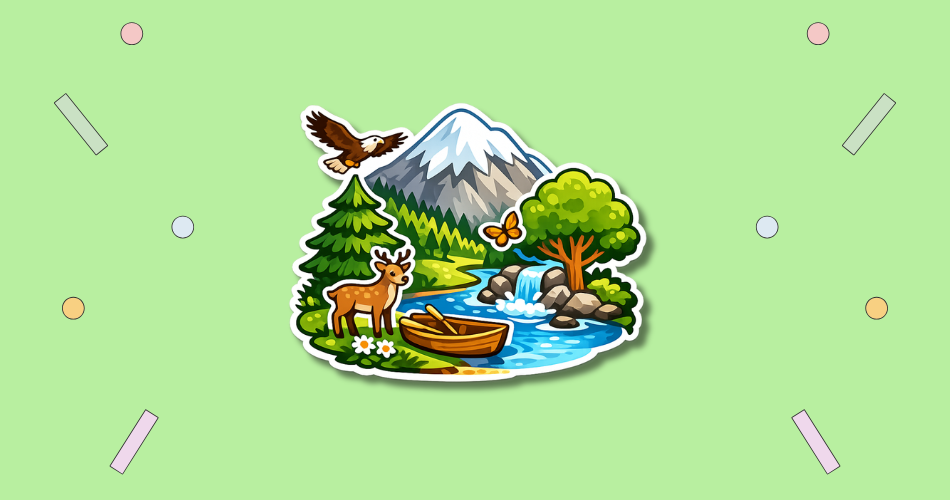
European Day of Parks is observed every year on May 24. In 2027, this date falls on a Monday. The day focuses on Europe’s national parks, nature parks, biosphere reserves, and other protected areas. It recognizes the role these places play in conservation, recreation, education, and the protection of natural and cultural heritage. The observance also invites people to learn how parks are managed and why long-term care matters for wildlife, landscapes, water, air, and local communities. 1
Contents
HT Meter
Does this day matter to you?
Say that it does, and say whether you will be marking it. Both are anonymous to nobody but kind to everybody.
This day matters to me
0 Be the first to say so
Quietly remembered
0 Nobody has said so yet
Notes of remembrance
Join those marking this day to share a word, a memory, or the reason it matters to you.
These notes are kept for the people marking this day. Say you will be marking it to read them and to leave your own.
You have already shared a note here recently.
No notes yet. Yours would be the first.
History of European Day of Parks
European Day of Parks was launched in 1999 by the EUROPARC Federation, a network connected with protected areas and natural heritage across Europe. The date, May 24, recalls the proclamation of Europe’s first national parks in Sweden in 1909. Those early protected areas helped establish the idea that important landscapes, habitats, and species should be preserved by law, not only admired from a distance. The observance grew from that history into an annual day for parks and protected areas across Europe.
The modern meaning of the day is broader than national parks alone. It includes the many protected landscapes that support biodiversity, local identity, traditional land use, outdoor learning, and responsible tourism. Each year, park authorities, conservation organizations, educators, and community groups may use the date to hold walks, exhibitions, school activities, volunteer events, and public programs. The day connects the beauty of protected places with the practical work required to keep them healthy.
Why is European Day of Parks important?
European Day of Parks matters because protected areas are not just scenic places on a map. They give plants and animals space to survive, protect watersheds, store carbon, and help keep landscapes resilient in a changing climate. They also provide places where people can walk, rest, study nature, and understand how ecosystems work. When parks are well managed, they benefit both nature and nearby communities.
Europe Day in the European Union
The day also draws attention to the fact that conservation needs public support. A park boundary alone does not protect a place from pollution, habitat fragmentation, careless recreation, invasive species, or climate stress. People who understand the value of protected areas are more likely to respect rules, support good management, and take part in local stewardship. European Day of Parks helps turn appreciation into informed care.
- It highlights the need to protect habitats before they are damaged.
- It connects outdoor recreation with responsible behavior.
- It supports education about wildlife, landscapes, and ecosystems.
- It recognizes the work of park rangers and conservation staff.
- It helps communities see parks as shared public assets.
How to Observe European Day of Parks
Make it yours
How would you like to spend European Day of Parks?
Tick what fits you, and we will put together ideas made for this day — not for any day.
Visit a nearby park, nature reserve, or protected landscape and pay attention to more than the view. Read the signs, stay on marked trails, follow local rules, and notice how the area is managed for both visitors and wildlife. Families can use the day for a slow walk, a birdwatching trip, a nature journal activity, or a conversation about why some places need special protection. Schools and community groups can connect the observance with lessons on biodiversity, geography, climate, and local history.
Support the day by learning about a protected area that is not familiar. Look up its habitats, species, visitor rules, and current conservation challenges. Joining a guided walk, attending a park program, donating to a conservation project, or volunteering for a cleanup can make the observance more practical. Even small choices, such as carrying out litter and keeping pets under control, help protect the places that make the day meaningful.
- Take a walk in a protected natural area.
- Learn the rules before visiting a park.
- Join a guided nature program or ranger talk.
- Pick up litter where it is safe and allowed.
- Share accurate information about local protected areas.
European Day of Parks Dates
| Year | Date | Day of the week |
|---|---|---|
| 2026 | May 24 | Sunday |
| 2027 next | May 24 | Monday |
| 2028 | May 24 | Wednesday |
| 2029 | May 24 | Thursday |
| 2030 | May 24 | Friday |
Sorry to hear you didn't enjoy this article...
Discover National Parks Fortnight
Help us make it better!