
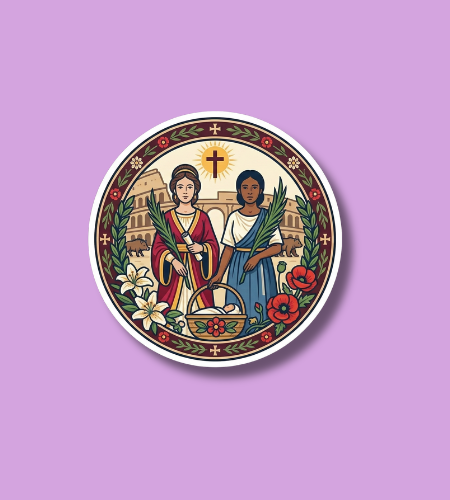
Feast Day of Perpetua and Felicitas is observed annually on March 7 to honor the profound courage and sacrifice of two early Christian martyrs who died for their faith in the arena of Carthage. This day commemorates the lives of Vivia Perpetua, a young noblewoman, and Felicitas, an expectant enslaved woman, whose bond transcended social status and became a powerful symbol of spiritual equality in the early church. Their story is uniquely preserved through Perpetua’s own prison diary, which stands as one of the oldest and most significant pieces of female-authored Christian literature in history, providing a rare and intimate glimpse into the thoughts of a mother facing persecution. The feast serves as a global reminder of the strength found in conviction and the enduring legacy of those who prioritize their conscience over worldly pressure.
Table of Contents
History of Feast Day of Perpetua and Felicitas
The origins of this feast day date back to the early third century in Carthage, North Africa. Vivia Perpetua, a 22-year-old noblewoman and nursing mother, and Felicitas, a pregnant enslaved woman, were arrested for their conversion to Christianity during the persecutions under Emperor Septimius Severus. Despite intense pressure from family and Roman authorities to recant their faith, the women remained steadfast. Felicitas gave birth to a daughter while in prison, only days before the group was scheduled to face execution in the public amphitheater.
What makes this history particularly significant is the preservation of “The Passion of Saints Perpetua and Felicity,” a document that includes Perpetua’s personal diary. This text is one of the earliest pieces of Christian literature written by a woman. It details her visions, her emotional struggle over her infant son, and the solidarity she shared with her fellow prisoners. On March 7, 203 AD, the group was led into the arena and exposed to wild beasts before being executed by the sword. Their names were later included in the Roman Canon, the oldest list of saints in the Western Church.
Why is Feast Day of Perpetua and Felicitas important?
This feast day is significant because it highlights the universal nature of faith that transcends social hierarchy and status. In the third century, the bond between a noblewoman and an enslaved woman was culturally revolutionary, yet they are remembered as equals who entered the arena arm-in-arm. Their story serves as a testament to maternal courage and religious conviction, providing a rare historical perspective from female voices in antiquity. The day honors the resilience of those who prioritize their conscience over societal pressure and legal threats.
The observance also plays a vital role in the liturgical calendar, often falling during the season of Lent. It serves as a focal point for reflecting on themes of sacrifice and spiritual fortitude. Because Perpetua and Felicitas are patrons of mothers and expectant mothers, the day offers a specific opportunity to acknowledge the strength of women in difficult circumstances. Their legacy continues to inspire modern believers to stand firm in their principles, even when facing extreme adversity.
- It commemorates the courage of two young mothers during Roman persecution
- The day honors one of the first known Christian texts authored by a woman
- It celebrates the equality and solidarity between different social classes
- The observance provides a historical record of early church practices in Africa
- It serves as a reminder of the power of conviction in the face of death
How to Observe Feast Day of Perpetua and Felicitas
Observing this day often involves attending a religious service where the names of the martyrs are invoked during the liturgy. Many people read the “Passion of Perpetua and Felicitas” to better understand the personal thoughts and visions recorded by Perpetua while she was in prison. In educational settings, the day is used to teach about the history of North African Christianity and the role of women in the early church. Families might also use the day to pray for mothers who are facing hardship or separation from their children.
To connect with the North African heritage of these saints, some observers prepare traditional foods from the region, such as dates, figs, or honey-covered nuts. Crafting activities for children often include making “lion masks” or drawing the “golden ladder” from Perpetua’s famous vision, which symbolized the path to spiritual victory. Some women also observe the day by wearing their hair pinned up, a gesture of dignity inspired by Perpetua’s final act of fixing her hair in the arena to avoid looking like a mourner during her triumph.
- Attend a Mass or prayer service to hear the reading of the saints’ names
- Read excerpts from Perpetua’s prison diary to reflect on her journey
- Prepare a meal featuring traditional North African ingredients like dates
- Pray for the protection and strength of mothers and expectant mothers
- Discuss the importance of standing up for your beliefs with your family
Feast Day of Perpetua and Felicitas Dates Table
| Year | Date | Day |
|---|---|---|
| 2026 | March 7 | Saturday |
| 2027 | March 7 | Sunday |
| 2028 | March 7 | Tuesday |
| 2029 | March 7 | Wednesday |
| 2030 | March 7 | Thursday |
Subscribe to our newsletter and never miss a holiday again!