
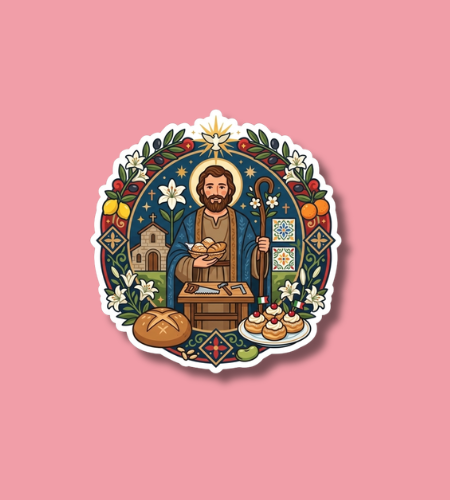
The Feast of Saint Joseph is observed annually on March 19 to honor the spouse of the Virgin Mary and the foster father of Jesus Christ. This major feast day in the Christian calendar recognizes Saint Joseph as the patron saint of workers, fathers, and the universal church. It is a day characterized by traditional food, family gatherings, and the construction of elaborate “Saint Joseph’s Altars” in various cultures, particularly among those of Italian and Polish descent.
Table of Contents
History of Feast of Saint Joseph
The formal veneration of Saint Joseph began in the Eastern Church as early as the 4th century, but it did not become a widely recognized feast in the West until the 15th century. Pope Sixtus IV officially introduced the feast to the Roman Calendar in 1479. Saint Joseph’s status grew significantly over the centuries as theologians emphasized his role as the “Guardian of the Redeemer.” In 1870, Pope Pius IX declared him the Patron of the Universal Church, solidifying his importance as a model of humility, silent strength, and paternal protection.
A significant historical tradition associated with this day originated in Sicily during the Middle Ages. According to legend, a severe drought caused a famine across the island, and the people prayed to Saint Joseph for relief. When the rains finally arrived and the fava bean crop saved the population from starvation, the Sicilians honored the saint by preparing a massive banquet of non-meat dishes to share with the poor. This event laid the foundation for the Saint Joseph’s Altar tradition, where bread, pastries, and fava beans are still offered today in public and private ceremonies.
Why is Feast of Saint Joseph important?
Saint Joseph serves as a vital figure in religious tradition because he represents the dignity of labor and the importance of the domestic life. As a carpenter by trade, he is seen as the protector of the working class, highlighting that honest work is a path to holiness. For many, the day is an opportunity to reflect on the virtues of patience and obedience, as Joseph is rarely quoted in the Bible but is defined entirely by his protective actions and dedication to his family.
The feast also plays a major role in cultural identity for the Italian-American and Sicilian-American communities. It provides a structured time for “tables of the poor,” where food is blessed and distributed to those in need, reinforcing the values of charity and communal support. Because the feast falls during the season of Lent, the traditional meals are meatless, showcasing culinary creativity through fish, pasta with breadcrumbs, and citrus fruits. This blend of religious devotion and cultural heritage helps maintain a sense of continuity across generations.
- It honors the paternal role and the importance of fatherhood in family life.
- The feast emphasizes the value of manual labor and the rights of workers.
- It preserves ancient Sicilian traditions and culinary history.
- The day promotes charitable giving and feeding the hungry in the community.
- It provides a moment of joy and celebration during the somber season of Lent.
How to Celebrate Feast of Saint Joseph
One of the most visual ways to celebrate is by building or visiting a Saint Joseph’s Altar, which is traditionally constructed in three tiers to represent the Holy Trinity. These altars are adorned with flowers, candles, and specially shaped breads, such as “St. Joseph’s staff” or “The Crown of Thorns.” After the food is blessed by a priest, it is typically distributed to the community. In many regions, the fava bean is a central symbol; keeping a dried fava bean in one’s pantry is believed to ensure that the household will never go without food.
Culinary traditions are a centerpiece of the day, with the Zeppole di San Giuseppe—a cream-filled pastry often topped with a cherry—being the most famous treat. Since the feast occurs during Lent, many families serve Pasta con le Sarde (pasta with sardines) or pasta topped with toasted breadcrumbs, which represent the sawdust of a carpenter’s workshop. Wearing red is also a common custom to show devotion to the saint. Whether through a large public festival or a quiet family meal, the focus remains on gratitude, hospitality, and the sharing of resources with others.
- Visit a local parish to see a traditional three-tiered Saint Joseph’s Altar.
- Enjoy a Zeppole or St. Joseph’s cake from a local Italian bakery.
- Prepare a meatless meal featuring pasta with toasted breadcrumbs and fava beans.
- Wear red clothing or accessories to honor the saint’s traditional liturgical color.
- Donate food or money to a local pantry to carry on the tradition of feeding the poor.
Feast of Saint Joseph Dates Table
| Year | Date | Day |
|---|---|---|
| 2026 | March 19 | Thursday |
| 2027 | March 19 | Friday |
| 2028 | March 19 | Sunday |
| 2029 | March 19 | Monday |
| 2030 | March 19 | Tuesday |
Subscribe to our newsletter and never miss a holiday again!