
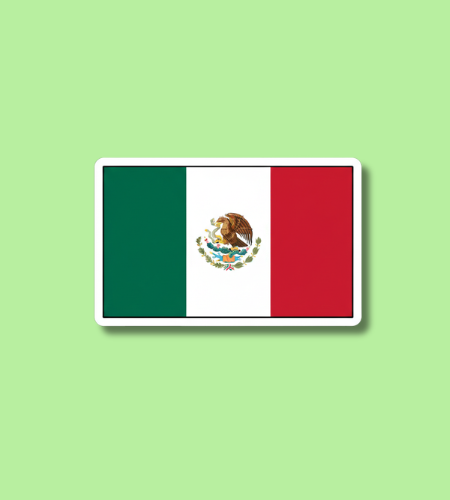
Flag Day Mexico is observed annually on February 24. This civic holiday honors one of the three national symbols of Mexico and serves as a moment of patriotic reflection for citizens across the country. While it is not a mandatory federal day off for workers, the date is marked by official ceremonies, military parades, and educational activities that celebrate the history and identity embodied in the national banner.
Table of Contents
History of Flag Day Mexico
The origins of this holiday date back to 1934, when it was established by President Lázaro Cárdenas to foster national unity and respect for the country’s symbols. The specific date was chosen to commemorate the Proclamation of the Plan of Iguala on February 24, 1821. This pivotal document was signed by Agustín de Iturbide and Vicente Guerrero, effectively uniting insurgent and royalist forces to secure Mexico’s independence from Spanish rule. The original “Flag of the Three Guarantees” used during this time featured the colors green, white, and red arranged diagonally.
In 1940, the observance became an official national holiday through a presidential decree. Over the centuries, the flag underwent several design changes until the current version was officially adopted on September 16, 1968. This final design standardized the central coat of arms, which depicts an eagle perched on a prickly pear cactus devouring a serpent. This imagery is based on the ancient Aztec legend regarding the founding of Tenochtitlán, the site that eventually became Mexico City, linking modern Mexico to its indigenous roots.
Why is Flag Day Mexico important?
This day is significant because it reinforces the values of independence, liberty, and justice that define the Mexican state. Each color of the flag carries a specific meaning that has evolved over time: green represents hope and the independence movement, white symbolizes unity and purity, and red stands for the blood of the national heroes who fought for the country’s freedom. By honoring the flag, Mexicans acknowledge the sacrifices made by previous generations to establish a sovereign nation.
The holiday also serves a vital educational purpose, instilling a sense of civic duty and historical awareness in younger generations. Schools throughout the country hold special assemblies where students learn about the evolution of the national banner and the significance of the coat of arms. This collective participation ensures that the symbolic weight of the flag remains a central part of the national identity, fostering a spirit of community and pride that transcends regional differences.
- The flag is one of the three official national symbols alongside the anthem and coat of arms
- Military personnel take a special oath of allegiance to the flag during official ceremonies
- The colors were originally chosen to represent religion, independence, and union
- It celebrates the successful unification of opposing forces during the War of Independence
- National laws strictly regulate how the flag is handled, displayed, and retired
How to Celebrate Flag Day Mexico
Civic ceremonies led by government officials and military leaders are the primary way this day is observed. At the National Palace in Mexico City, the President typically presides over a flag-raising ceremony and reviews a military parade. Citizens often participate by displaying the national tricolor outside their homes and businesses. In many cities, public squares become focal points for community gatherings where local bands play traditional music and residents gather to watch the formal changing of the guard or the hoisting of “monumental flags.”
In educational settings, students participate in the “Toque de Bandera,” a specific salute and anthem dedicated to the flag. Many families use the day to visit historical museums or monuments, such as the Monument to the Fatherland, to learn more about the figures associated with the Plan of Iguala. While businesses remain open, the atmosphere is defined by a visible increase in patriotic decorations, with the green, white, and red colors appearing on everything from storefronts to public transportation.
- Attend a local civic ceremony at a town square or municipal building
- Fly the Mexican flag at your residence or place of business following protocol
- Watch the televised national ceremony held at the Zócalo in Mexico City
- Recite the pledge of allegiance during school or community commemorations
- Visit a history museum to view historical versions of the Mexican flag
Flag Day Mexico Dates Table
| Year | Date | Day |
|---|---|---|
| 2026 | February 24 | Tuesday |
| 2027 | February 24 | Wednesday |
| 2028 | February 24 | Thursday |
| 2029 | February 24 | Saturday |
| 2030 | February 24 | Sunday |
Subscribe to our newsletter and never miss a holiday again!