
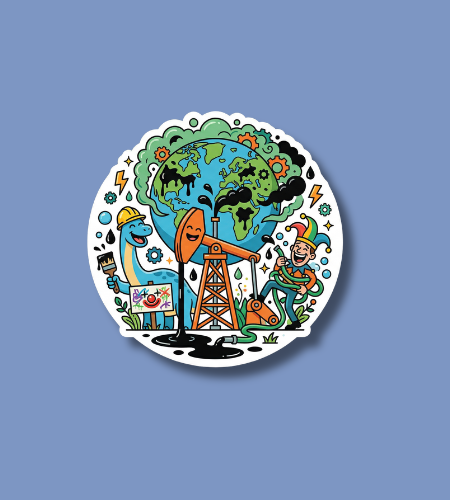
Fossil Fools Day is an international environmental awareness event held annually on April 1 to highlight the ecological dangers of non-renewable energy sources. By cleverly utilizing the existing cultural framework of April Fools’ Day, activists and organizations use humor, satire, and public demonstrations to call out the “foolishness” of continued reliance on coal, oil, and gas in an era of viable renewable alternatives. The day serves as a global platform for climate justice, aiming to educate the public about carbon emissions while pushing for a transition to wind, solar, and other sustainable energy technologies. It is a time when serious environmental messages are wrapped in wit, encouraging people to look past corporate “greenwashing” and demand more transparent and responsible energy policies for the future of the planet.
Read also about National Renewable Energy Day
History of Fossil Fools Day
The origins of this observance trace back to 2004, when environmental activists in the United States and Canada organized a coordinated “day of action” against the fossil fuel industry. The first event was a massive success, featuring over 125 simultaneous actions across North America that ranged from educational workshops to elaborate street theater. The name was specifically chosen as a play on words to suggest that continuing to burn fossil fuels is the ultimate prank being played on humanity. By blending the tradition of April pranks with serious advocacy, the founders aimed to make the daunting topic of climate change more engaging for the general public.
In the years following its inception, the movement rapidly expanded to the United Kingdom, Australia, and various countries across Europe and Africa. Groups like Rising Tide North America and the Energy Action Coalition became instrumental in organizing yearly protests that target financial institutions and corporations heavily invested in “dirty” energy. Famous early stunts included activists setting up mock “oil spills” in public fountains or creating satirical websites that parodied major energy companies. Over the decades, Fossil Fools Day has evolved from a grassroots North American protest into a recognized global event on the environmental calendar, known for its unique combination of peaceful activism and sharp-witted irony.
Why is Fossil Fools Day important?
The day serves as a critical entry point for many people to begin understanding the complex relationship between energy consumption and global climate change. It brings much-needed attention to the fact that fossil fuels remain the largest contributor to global greenhouse gas emissions, accounting for nearly 90% of all carbon dioxide emissions. By using humor and satire, the holiday lowers the barrier to entry for the public, making it easier to discuss heavy topics like air pollution, habitat destruction, and the melting of polar ice caps. It empowers citizens to question the status quo and demand that their governments prioritize long-term ecological health over short-term industrial profits.
Beyond simply highlighting problems, the event is essential for promoting the feasibility and benefits of renewable energy solutions. It acts as a catalyst for local communities to learn about the economic advantages of green technology, such as the creation of sustainable jobs and the reduction of public health costs. This collective global action fosters a sense of solidarity among activists, proving that local efforts can contribute to a larger worldwide shift. By focusing on the urgency of the “now,” Fossil Fools Day ensures that the conversation regarding the energy transition stays prominent in the media and the minds of policymakers during the spring season.
- It encourages a rapid global shift toward clean and renewable energy sources.
- The event raises awareness about the link between fossil fuels and extreme weather.
- It challenges deceptive marketing practices that portray energy companies as eco-friendly.
- The day provides a platform for grassroots groups to gain media visibility.
- It highlights the financial risks associated with investing in non-renewable resources.
How to Celebrate Fossil Fools Day
Observing this day typically involves participating in creative forms of activism that inform and entertain the local community. Many people join “teach-ins” or workshops that explain how solar panels and wind turbines work, often using small-scale models to demonstrate their effectiveness. In many cities, activists stage satirical street performances, such as “corporate award ceremonies” where they hand out trophies to the most polluting local businesses. The goal is to use the lighthearted spirit of the day to draw a crowd and then deliver factual information about the environmental benefits of a green energy transition.
On an individual level, the day can be observed through personal commitments to reduce one’s own carbon footprint. This might include opting for public transportation, carpooling, or bicycling for the day instead of using a gasoline-powered vehicle. Many people use the date to switch their home electricity provider to a green energy plan or to audit their home for energy leaks. Sharing well-researched infographics on social media using the holiday’s hashtags is another effective way to participate. Whether through a large-scale public rally or a simple change in daily habits, the focus is on showing that moving away from fossil fuels is the smartest choice for the future.
- Participate in a local rally or creative demonstration for climate justice.
- Sign a petition urging local leaders to invest in public green transit.
- Share a satirical but informative post about energy consumption online.
- Switch to LED light bulbs or other energy-saving devices in your home.
- Host a documentary screening focused on renewable energy for friends.
Fossil Fools Day Dates Table
| Year | Date | Day |
|---|---|---|
| 2026 | April 1 | Wednesday |
| 2027 | April 1 | Thursday |
| 2028 | April 1 | Saturday |
| 2029 | April 1 | Sunday |
| 2030 | April 1 | Monday |
Subscribe to our newsletter and never miss a holiday again!