
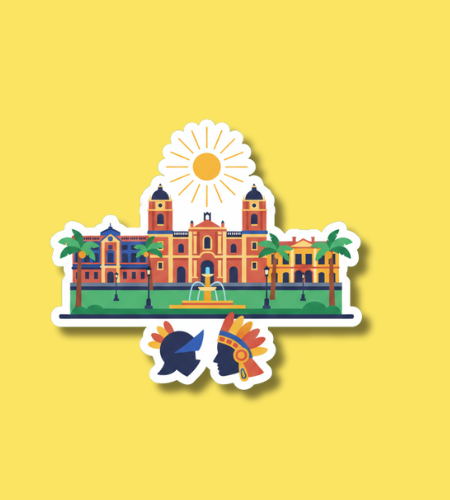
Foundation Day of Lima in Peru is observed on January 18. This day marks the city’s establishment by Spanish conquistador Francisco Pizarro in 1535. Originally named “Ciudad de los Reyes” or the City of Kings, the date was chosen to coincide with the proximity of the Epiphany. Today, the city serves as the political and cultural capital of the country, blending its colonial past with modern urban life.
Table of Contents
History of Foundation Day of Lima in Peru
The city was founded after Pizarro sought a location for a new capital following the Spanish conquest of the Inca Empire. While Cusco was the traditional heart of the Inca world, its high altitude and distance from the coast made it impractical for Spanish maritime communication. Scouting parties identified the Rímac River valley as an ideal site due to its access to the Pacific Ocean via the nearby natural harbor of Callao. The location offered fertile land, an ample water supply, and a climate suitable for the development of a major administrative center.
On January 18, 1535, Pizarro officially laid the first stone of the city’s cathedral and established the central plaza, now known as the Plaza de Armas. The city was designed on a strict grid pattern, a style influenced by Spanish urban planning from Seville. Over the next several centuries, Lima became the most important city in the Spanish South American empire, serving as the seat of the Viceroyalty of Peru. Despite facing significant challenges, including a devastating earthquake in 1746 and the struggles of the independence movement in the 1820s, the city maintained its status as the nation’s primary hub.
Why is Foundation Day of Lima in Peru important?
The anniversary is a celebration of the city’s complex and layered identity. Lima is a unique melting pot where indigenous Andean traditions, Spanish colonial architecture, and modern cosmopolitan influences intersect. The day highlights the resilience of a city that has survived seismic disasters and political upheavals to become one of the largest metropolitan areas in Latin America. It provides an opportunity for residents to reflect on their shared heritage and the evolution of their home from a small colonial outpost to a thriving global city.
This observance also emphasizes the historical significance of the city’s architecture. The Historic Center of Lima was designated a UNESCO World Heritage Site in 1988, and the foundation anniversary draws attention to the preservation of its carved wooden balconies, grand cathedrals, and ancient plazas. Beyond history, the day celebrates Lima’s status as a world-renowned gastronomic capital. It honors the diverse culinary techniques and ingredients that have made Limeño cuisine famous, reinforcing the city’s role as a leader in international food culture.
- The city honors its transition from a royal colonial seat to a modern democratic capital.
- It recognizes the historical importance of the Rímac River valley and its original inhabitants.
- The holiday promotes the preservation of colonial-era buildings and monuments.
- It celebrates the diverse ethnic backgrounds that contribute to the city’s current culture.
- The day serves as a point of civic pride for nearly ten million residents.
How to Celebrate Foundation Day of Lima in Peru
Festivities typically begin on the evening of January 17 with the “Serenata de Lima” in the Plaza de Armas. This grand serenade features live performances from traditional Creole musicians, folk dancers, and contemporary artists, culminating in a fireworks display at midnight. On the morning of January 18, the official activities continue with a 21-gun salute and the raising of the national flag. Many locals attend the solemn Te Deum mass at the Cathedral of Lima, a tradition that dates back centuries and involves the city’s highest political authorities.
Public spaces throughout the city host cultural fairs, gastronomic festivals, and parades featuring traditional dances like the Marinera. Many museums and historical sites offer free admission or special guided tours to encourage people to explore the city’s hidden history. Families often gather in the local parks or along the coastal boardwalks in Miraflores to enjoy regional dishes like ceviche, anticuchos, and picarones. While it is not a national public holiday, the atmosphere in the capital is highly festive, with events that span several days and involve all districts of the metropolitan area.
- Attend the midnight fireworks and musical performances at the Plaza de Armas.
- Visit the tomb of Francisco Pizarro inside the Lima Cathedral.
- Taste traditional street foods at one of the city’s many gastronomic fairs.
- Watch the colorful folkloric parades moving through the Historic Center.
- Take a guided walking tour to see the famous decorated wooden balconies.
Foundation Day of Lima in Peru Dates Table
| Year | Date | Day |
|---|---|---|
| 2026 | January 18 | Sunday |
| 2027 | January 18 | Monday |
| 2028 | January 18 | Tuesday |
| 2029 | January 18 | Thursday |
| 2030 | January 18 | Friday |
Subscribe to our newsletter and never miss a holiday again!