
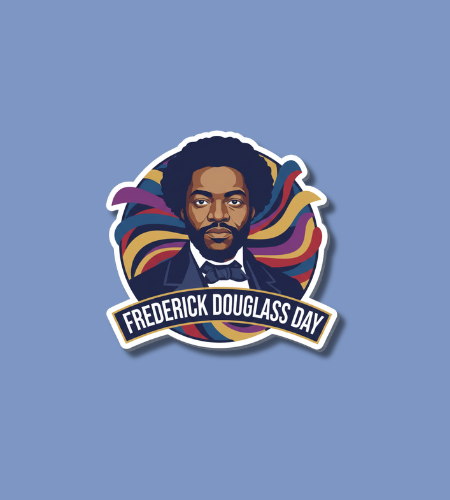
Frederick Douglass Day is observed annually on February 14, celebrating the life, legacy, and enduring impact of the world-renowned abolitionist, orator, and statesman. In 2026, it falls on February 14. Because Frederick Douglass was born into slavery and did not know his exact birth date, he chose to celebrate it on Valentine’s Day. Today, the holiday serves as a powerful moment for “collective memory,” where people gather to honor his contributions to human rights and to engage in “truth-telling” about Black history and the ongoing struggle for racial justice.
Table of Contents
History of Frederick Douglass Day
The tradition of celebrating Douglass’s birthday began shortly after his death in 1895. In the late 19th and early 20th centuries, Black communities across the United States organized “Douglass Day” events to preserve his memory and advocate for civil rights. These early celebrations were foundational to what would later become Black History Month, which was originally established as Negro History Week in February to coincide with the birthdays of both Frederick Douglass and Abraham Lincoln.
Recently, the holiday has seen a massive revival through the efforts of the Douglass Day project, a collaborative digital humanities initiative. Since 2017, organizers have transformed the day into a global “transcribe-a-thon.” Thousands of volunteers—including students, historians, and activists—gather online and in person to transcribe the papers of Douglass and other Black activists from the 19th century. This modern movement ensures that the primary documents of Black history are digitized, searchable, and accessible to the public for generations to come.
Why is Frederick Douglass Day important?
This day is significant because it highlights the transformative power of literacy and the printed word. Douglass famously taught himself to read and write despite the illegal nature of Black literacy during slavery, later using his autobiography, Narrative of the Life of Frederick Douglass, an American Slave, to expose the horrors of the institution to the world. Celebrating his life reinforces the idea that education is the most potent weapon for liberation and a necessary tool for effective civic participation.
The observance also honors Douglass as a “founding father” of a more inclusive America. His advocacy extended beyond abolition to include women’s suffrage and the rights of immigrants, embodying a radical commitment to universal human rights. By commemorating him on his chosen birthday, the public is encouraged to reflect on his courage to speak “truth to power” and his relentless pursuit of a government that reflects the dignity of all its citizens. It serves as an annual call to action to continue the work of perfecting American democracy.
- Douglass chose February 14 as his birthday because his mother called him her “little Valentine.”
- He was the most photographed American of the 19th century, using his image to challenge stereotypes.
- The holiday was a direct precursor to the creation of Black History Month.
- Transcribing his records helps recover the voices of countless other Black activists.
- His life story remains a global symbol of the triumph of the human spirit over oppression.
How to Celebrate Frederick Douglass Day
The modern way to celebrate is by participating in a Douglass Day Transcribe-a-thon. You can join thousands of others online to help type out historical letters and documents, making them available for students and researchers worldwide. Many schools and universities host these events, often featuring communal singing, birthday cake, and dramatic readings of Douglass’s most famous speeches, such as “What to the Slave is the Fourth of July?”
For a more personal observance, you can visit a site dedicated to his memory, such as Cedar Hill (his home in Washington, D.C.) or the many statues erected in his honor across the country. Reading his autobiographies or engaging with contemporary Black literature is another meaningful way to honor his legacy. Since the day falls on Valentine’s Day, many choose to celebrate by expressing a “radical love” for their community through acts of service or by advocating for voting rights and educational equity.
- Transcribe
Join the annual Douglass Day project at DouglassDay.org. - Read
Revisit Douglass’s Narrative or his later works to understand his evolving philosophy. - Visit
Take a tour of a historical site or museum dedicated to the abolitionist movement. - Watch
View a documentary or film about Douglass’s journey from slavery to statesmanship. - Advocate
Honor his legacy by supporting organizations that fight for civil and voting rights.
Frederick Douglass Day Dates Table
| Year | Date | Day |
|---|---|---|
| 2026 | February 14 | Saturday |
| 2027 | February 14 | Sunday |
| 2028 | February 14 | Monday |
| 2029 | February 14 | Wednesday |
| 2030 | February 14 | Thursday |
Subscribe to our newsletter and never miss a holiday again!