
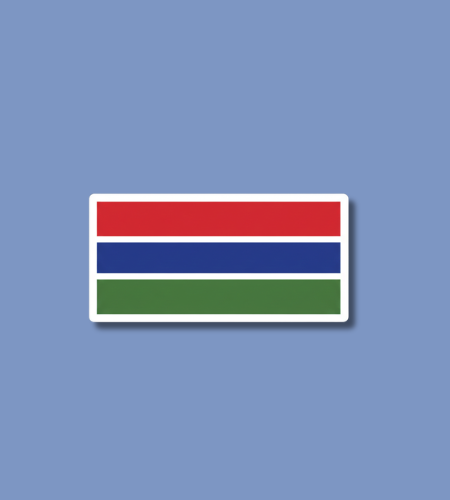
Gambia Independence Day is celebrated on February 18. This national holiday commemorates the country’s full self-governance and its official departure from British colonial rule in 1965. As the smallest country on the African mainland, The Gambia marks this anniversary as a symbol of sovereignty and national identity. The date signifies the end of over three centuries of varying colonial influence and the beginning of a new era of political independence within the Commonwealth of Nations.
Table of Contents
History of Gambia Independence Day
The history of the region involved centuries of competition between European powers, including the Portuguese, French, and British, who were drawn to the strategic value of the Gambia River. By the late 19th century, the British had established a formal colony and protectorate. The movement toward self-determination gained significant momentum following World War II, led by political figures like Sir Dawda Kairaba Jawara. Through a series of constitutional conferences and local elections, the framework for a sovereign state was established, leading to the enactment of the Gambia Independence Act of 1964.
On February 18, 1965, the British flag was lowered and the new Gambian flag—featuring red, blue, green, and white stripes—was raised for the first time. Initially, the country remained a constitutional monarchy with Queen Elizabeth II as the head of state. It was not until a national referendum in 1970 that The Gambia officially became a republic, with Jawara serving as its first president. This transition completed the journey to full independence and established the democratic structure that characterizes the nation today.
Why is Gambia Independence Day important?
This day is a vital reminder of the resilience shown by the Gambian people in their pursuit of self-governance. It provides an annual opportunity to reflect on the progress made in infrastructure, education, and healthcare since 1965. By celebrating their sovereignty, citizens reaffirm their commitment to the national motto of “Progress, Peace, and Prosperity.” The holiday serves as a unifying force, bringing together diverse ethnic groups such as the Mandinka, Fula, and Wolof to celebrate a shared national history.
The occasion also highlights the cultural heritage that remained intact despite centuries of external rule. Traditional music, dance, and oral storytelling are showcased as symbols of a persistent and vibrant identity. Economically, the celebrations often boost local tourism and trade, as Gambians living abroad return home to participate in the festivities. It is a day of education where the younger generation learns about the sacrifices made by freedom fighters and the importance of maintaining a stable, independent democracy.
- The holiday marks the anniversary of the 1965 transition to self-rule.
- It celebrates the unique cultural diversity of the nation’s ethnic groups.
- National pride is fostered through large-scale parades and public speeches.
- The day honors the leadership of Sir Dawda Kairaba Jawara.
- It serves as a statutory public holiday across all seven administrative divisions.
How to Celebrate Gambia Independence Day
The most prominent celebration takes place at McCarthy Square in the capital city of Banjul. This formal event features a “March Past,” where military units, police forces, and thousands of schoolchildren parade in front of the president and other dignitaries. The streets are often filled with the sounds of brass bands and traditional drumming. Attending these parades allows citizens and visitors to witness the disciplined displays of national service and the energetic performances of youth organizations.
In local communities, the celebration is more personal and centered around food and social gatherings. Families prepare traditional Gambian dishes such as Benachin, a one-pot rice meal, or Domoda, a savory peanut stew. These meals are often shared with neighbors in the spirit of communal unity. Many people wear traditional attire made from vibrant local fabrics to show their patriotism. Wrestling matches, a popular traditional sport in The Gambia, are also frequently held in villages to mark the festive occasion.
- Watch the official military and school parade at McCarthy Square in Banjul.
- Prepare a traditional family feast featuring Benachin or Yassa chicken.
- Display the national flag at your home or place of business.
- Listen to a broadcast of the president’s annual independence address.
- Attend a local cultural performance featuring traditional Mandinka or Wolof music.
Gambia Independence Day Dates Table
| Year | Date | Day |
|---|---|---|
| 2026 | February 18 | Wednesday |
| 2027 | February 18 | Thursday |
| 2028 | February 18 | Friday |
| 2029 | February 18 | Sunday |
| 2030 | February 18 | Monday |
Subscribe to our newsletter and never miss a holiday again!