
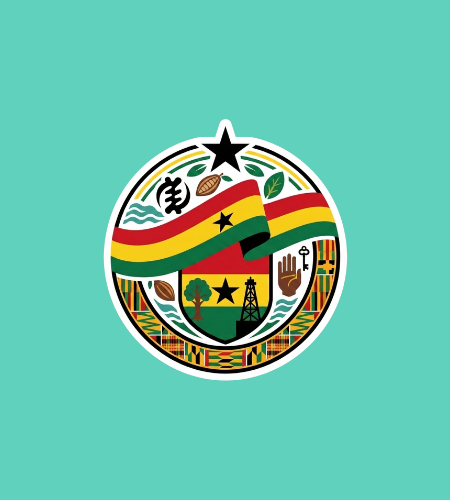
Ghana Independence Day is observed annually on March 6. In 2026, it falls on March 6. This holiday commemorates the country’s declaration of independence from British colonial rule in 1957. It serves as a national day to honor the transition from the British Gold Coast to the sovereign nation of Ghana, which was the first country in sub-Saharan Africa to achieve such status.
Read also about Constitution Day in Ghana
Table of Contents
History of Ghana Independence Day
The movement toward sovereignty intensified after World War II as local leaders began to demand self-governance. In 1947, the United Gold Coast Convention (UGCC) was formed to push for political reform, and Kwame Nkrumah eventually emerged as a central figure in the struggle. After breaking away from the UGCC to form the Convention People’s Party (CPP), Nkrumah led a campaign of “Positive Action,” involving strikes and protests that pressured the British administration to grant concessions.
On March 6, 1957, at the Old Polo Grounds in Accra, Kwame Nkrumah officially proclaimed the nation’s freedom. He famously stated that the independence of Ghana was meaningless unless it was linked to the total liberation of the African continent. This event replaced the British flag with the new Ghanaian colors and set a precedent for decolonization efforts across Africa during the mid-20th century.
Why is Ghana Independence Day important?
The day represents a landmark victory for pan-Africanism and the global fight against colonialism. It validates the efforts of “The Big Six” and other activists who worked to establish a self-determined government. For many, the holiday is a time to reflect on the democratic progress of the country and its role as a leader in regional stability and economic development.
The observance also reinforces a sense of national unity among the diverse ethnic groups within the country. It highlights the cultural identity of the nation through the symbolism of the national flag, where the black star represents African freedom and the red signifies the blood of those who died in the struggle. Celebrating this milestone ensures that the sacrifices of previous generations remain a core part of the public consciousness.
- It marks the end of 83 years of British colonial administration.
- The holiday honors Kwame Nkrumah and the other founding fathers.
- It celebrates Ghana’s status as a pioneer for African sovereignty.
- The day promotes the values of freedom, justice, and national pride.
- It provides a yearly assessment of the country’s social and economic growth.
How to Celebrate Ghana Independence Day
The primary festivities occur at Black Star Square in Accra, where a massive national parade is held. This event features military march-pasts, traditional dance performances, and a keynote address by the President of Ghana. Spectators gather from across the country to watch the colorful displays of the national colors—red, gold, and green—and to hear patriotic music.
In towns and villages outside the capital, schools participate in local marching competitions and cultural exhibitions. Families often spend the day together, preparing traditional meals such as jollof rice or fufu. Public spaces are frequently decorated with flags, and many citizens wear traditional Kente cloth or attire featuring the national colors to show their support and participation in the festivities.
- Watch the national parade and presidential speech at Black Star Square.
- Wear clothing made of traditional Kente cloth or national colors.
- Attend a local “march past” featuring regional school children.
- Prepare and share traditional Ghanaian dishes with friends and family.
- Participate in community street carnivals and musical performances.
Ghana Independence Day Dates Table
| Year | Date | Day |
|---|---|---|
| 2026 | March 6 | Friday |
| 2027 | March 6 | Saturday |
| 2028 | March 6 | Monday |
| 2029 | March 6 | Tuesday |
| 2030 | March 6 | Wednesday |
Subscribe to our newsletter and never miss a holiday again!