
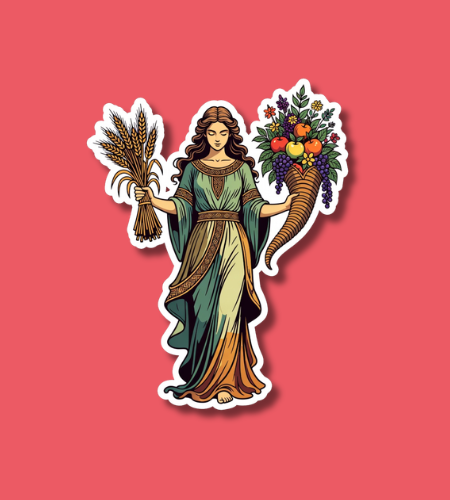
Goddess Of Fertility Day is observed annually on March 18 to honor the ancient deities associated with life, procreation, and the renewal of nature. This day highlights the cultural and historical significance of fertility figures from various mythologies as the spring equinox approaches.
Table of Contents
History of Goddess Of Fertility Day
While the specific origins of this modern observance are not documented in historical records, the day draws upon thousands of years of human tradition. Throughout history, civilizations have looked to divine figures to explain the mysteries of birth and the seasonal cycles of the earth. Ancient Egyptians worshipped Isis, while the Sumerians revered Inanna as a major deity of love and fertility. These figures were central to the spiritual lives of people who depended on the success of both human reproduction and agricultural harvests.
In Greek and Roman traditions, Aphrodite and Venus became the most recognizable symbols of beauty, desire, and the generative powers of the universe. Offerings were historically made to these goddesses in hopes of securing a healthy lineage or a prosperous growing season. Goddess Of Fertility Day emerged as a contemporary way to unify these diverse cultural threads, placing the celebration in mid-March to coincide with the natural awakening of the environment in the northern hemisphere.
Why is Goddess Of Fertility Day important?
The day serves as an educational bridge to ancient mythologies, helping people understand how earlier societies viewed their relationship with nature and life cycles. By studying fertility goddesses like the Norse Freya or the Aztec Xochiquetzal, individuals can appreciate the common human desire for continuity and abundance. It also provides a moment to acknowledge the “divine feminine,” focusing on the strength and creative potential inherent in the biological and symbolic aspects of motherhood and growth.
For many, the importance of the day extends to personal reflection on their own health and future goals. It offers a structured time to consider the complexities of fertility, providing support for those who may be struggling with conception or those who simply wish to celebrate the vitality of the planet. This focus on life-giving energy encourages a broader respect for the environment and the delicate balance required for ecosystems to flourish.
- It preserves knowledge of ancient religious practices and mythological storytelling.
- The day promotes awareness of reproductive health and the challenges of infertility.
- It aligns human celebrations with the transition of seasons and the spring equinox.
- Observing the day fosters a sense of gratitude for the natural world’s abundance.
- It highlights the historical role of women as central figures in creation myths.
How to Celebrate Goddess Of Fertility Day
Celebrating the day often involves activities that connect a person to the earth or to their own physical well-being. Planting seeds or starting a garden is a common practice, as it mimics the act of nurturing new life from the ground. People may also choose to decorate their living spaces with symbols of fertility, such as fresh flowers, eggs, or greenery, to welcome the energy of the coming spring.
Others observe the day through creative expression or education, such as reading about the Twelve Olympians or researching their own ancestral fertility traditions. Those who follow spiritual paths might light candles or set intentions related to growth and new beginnings in their personal lives. For many, the day is simply about appreciating the women in their lives and acknowledging the biological and emotional labor associated with bringing new generations into the world.
- Plant flowers or a small vegetable patch to honor the fertility of the earth.
- Read stories from Greek, Roman, or Norse mythology to learn about different deities.
- Purchase a bouquet of lilies or roses to symbolize beauty and new life.
- Spend time outdoors to observe the first signs of spring growth in nature.
- Research your family tree to honor the generations that came before you.
Goddess Of Fertility Day Dates Table
| Year | Date | Day |
|---|---|---|
| 2026 | March 18 | Wednesday |
| 2027 | March 18 | Thursday |
| 2028 | March 18 | Saturday |
| 2029 | March 18 | Sunday |
| 2030 | March 18 | Monday |
Subscribe to our newsletter and never miss a holiday again!