
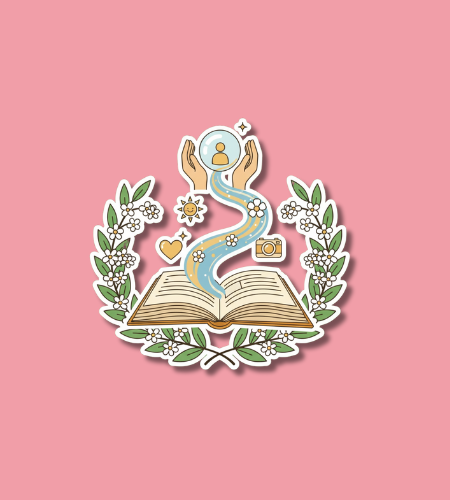
Good Memory Day is observed on January 19. This holiday is dedicated to reflecting on cherished moments from the past and fostering positive mental health through nostalgia. It encourages people to pause their busy schedules to reminisce about joyful experiences, which research suggests can help reduce stress and improve overall emotional well-being.
Table of Contents
History of Good Memory Day
The origin of Good Memory Day is rooted in the early 21st century as a grassroots movement to promote positivity during the often-gloomy month of January. While many other mid-winter observances focus on the challenges of the season, this day was established to highlight the human brain’s remarkable ability to store and recall happiness. Scientists and psychologists have long noted that “positive recall”—the act of intentionally remembering good times—can strengthen neural pathways associated with resilience.
Over the years, the holiday has gained popularity through social media and mental health advocacy groups. It serves as a counter-narrative to “Blue Monday,” shifting the focus from seasonal lethargy to the internal “treasure house” of personal history. The day is now recognized globally by educators, therapists, and families who use it as a tool to celebrate life’s milestones and the small, everyday wins that contribute to a person’s sense of identity.
Why is Good Memory Day important?
This day highlights the vital link between memory and mental health. Engaging in nostalgic reflection can provide comfort during difficult times, acting as a mental anchor that reminds individuals of their strength and the support of loved ones. By focusing on “good” memories, the holiday helps combat the brain’s natural tendency to dwell on negative or stressful events. This practice is particularly beneficial in the workplace and in schools, where it can boost morale and foster a more supportive atmosphere.
The observance also emphasizes the importance of documenting life as it happens. In the digital age, many moments are captured but rarely revisited. Good Memory Day serves as a reminder to preserve these experiences through photo albums, journals, or oral storytelling. This preservation ensures that cultural and family legacies are passed down to future generations, maintaining a sense of continuity and shared heritage that defines communities.
- Recalling happy events can lower levels of the stress hormone cortisol.
- The holiday encourages people to reach out and reconnect with old friends.
- Sharing stories from the past helps build empathy and understanding between generations.
- It provides a structured time to organize digital and physical photo collections.
- Focusing on past successes can build confidence for facing future challenges.
How to Celebrate Good Memory Day
One of the most common ways to observe this holiday is by looking through old photo albums or home videos. Gathering with family or friends to share the stories behind specific pictures can turn a quiet afternoon into a festive event. For those who prefer a more personal reflection, starting a “memory jar” is a great activity. This involves writing down a favorite memory on a slip of paper whenever one comes to mind, creating a tangible collection of joy to be read later in the year.
Engaging in sensory activities can also help trigger forgotten memories. Listening to music that was popular during a significant time in your life or cooking a traditional family recipe can instantly transport you back to a specific moment. Many people use the day to write “thank you” notes to individuals who played a positive role in their past, acknowledging the impact of their shared experiences. These simple acts of gratitude and reflection help solidify the good memories and make them more accessible in the future.
- Call a family member to ask them about a favorite childhood story.
- Create a digital slideshow of your top ten favorite moments from the last year.
- Listen to an album that reminds you of a happy time in your life.
- Write a journal entry about a day you wish you could relive.
- Play a memory-based board game to exercise your cognitive recall skills.
Good Memory Day Dates Table
| Year | Date | Day |
|---|---|---|
| 2026 | January 19 | Monday |
| 2027 | January 19 | Tuesday |
| 2028 | January 19 | Wednesday |
| 2029 | January 19 | Friday |
| 2030 | January 19 | Saturday |
Subscribe to our newsletter and never miss a holiday again!