
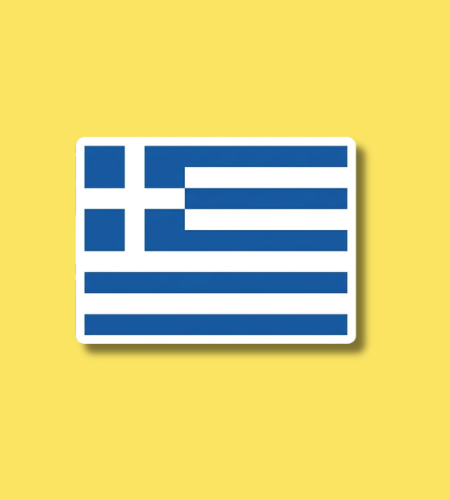
Greek Independence Day is a national holiday in Greece that is observed on March 25. This date commemorates the start of the Greek War of Independence in 1821, a successful rebellion against the four-century rule of the Ottoman Empire. The holiday is deeply intertwined with religious tradition, as it intentionally coincides with the Feast of the Annunciation. This dual significance links the biological birth of a nation with the spiritual announcement of the birth of Christ, making it one of the most important dates on the Greek calendar.
Table of Contents
History of Greek Independence Day
The roots of the revolution trace back to the late 18th and early 19th centuries, fueled by a growing sense of Greek nationalism and the influence of the Enlightenment. In 1814, a secret organization called Filiki Eteria, or the Society of Friends, was founded in Odessa with the specific goal of liberating Greece. While minor uprisings occurred earlier, the official revolution is traditionally cited as beginning when Bishop Germanos of Patras raised the revolutionary flag at the Monastery of Agia Lavra. This act served as a call to arms for Greeks to fight for their sovereignty and cultural identity.
The ensuing conflict lasted nearly a decade and drew significant support from “Philhellenes” across Europe and America, including figures like Lord Byron. The struggle was brutal and included famous events such as the Siege of Missolonghi and the decisive Battle of Navarino in 1827, where British, French, and Russian naval forces destroyed the Ottoman-Egyptian fleet. In 1830, the London Protocol officially recognized Greece as an independent, sovereign state. Over time, the celebration of the uprising became standardized on March 25 to align the nation’s political rebirth with its religious heritage.
Why is Greek Independence Day important?
This holiday serves as a primary symbol of Hellenic identity and the endurance of Greek culture despite centuries of foreign occupation. It celebrates the transition from a subject people to a democratic republic, honoring the sacrifices made by those who fought under the motto “Freedom or Death.” The day reinforces the connection between the Greek state and the Orthodox Church, which played a vital role in preserving the Greek language and heritage during the Ottoman era. It is a moment of intense national pride that unites the global Greek diaspora.
Beyond the borders of Greece, the day is recognized as a celebration of democratic ideals worldwide. Many international landmarks are lit in blue and white to honor the occasion, acknowledging Greece’s role as the birthplace of democracy. The holiday emphasizes the values of self-determination and the protection of civil liberties. It provides an opportunity for younger generations to learn about their history through school activities and communal gatherings, ensuring that the legacy of the 1821 revolutionaries remains a central pillar of modern Greek life.
- It marks the anniversary of the 1821 revolution against Ottoman rule
- It aligns the national independence struggle with the Feast of the Annunciation
- It honors the Filiki Eteria and the heroes of the Greek War of Independence
- It celebrates the establishment of the modern Greek state
- It unites Greeks living abroad through cultural parades and festivals
How to Celebrate Greek Independence Day
The most prominent way to celebrate is by attending or watching the grand military parade in Athens, which features various branches of the Hellenic Armed Forces and historic uniforms. In towns and villages across the country, local school parades take place where children dress in traditional folk costumes, such as the fustanella or the amalia, and carry Greek flags. Many people hang the blue and white national flag from their balconies and windows. It is customary to greet others with the phrase “Chronia Polla,” which translates to “Many Years” or “Long Life.”
A specific culinary tradition for the day is the consumption of bakaliaros skordalia, which is fried salted cod served with a potent garlic dip. Because the holiday almost always falls during the Great Lent, the Orthodox Church permits the consumption of fish on this specific feast day. Families gather for large midday meals after attending morning church services. In the United States and other countries, major cities host massive parades along central avenues, featuring floats, traditional dancing, and music to showcase Hellenic culture to the broader public.
- Watch the major military parade held in the center of Athens
- Eat fried cod with garlic sauce as the traditional holiday meal
- Dress in traditional Greek folk costumes for local school parades
- Display the Greek national flag from balconies and storefronts
- Attend a church service to celebrate the Annunciation and the nation
Greek Independence Day Dates Table
| Year | Date | Day |
|---|---|---|
| 2026 | March 25 | Wednesday |
| 2027 | March 25 | Thursday |
| 2028 | March 25 | Saturday |
| 2029 | March 25 | Sunday |
| 2030 | March 25 | Monday |
Subscribe to our newsletter and never miss a holiday again!