
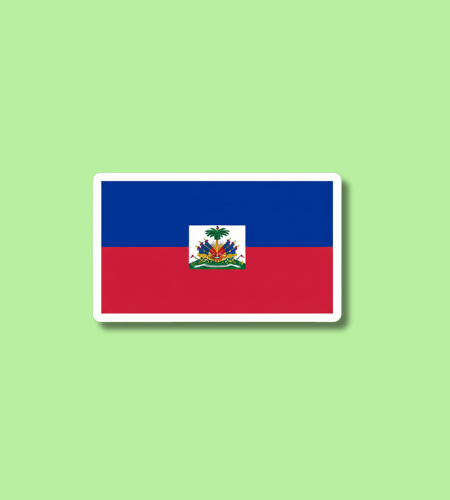
Haiti Independence Day is observed on January 1. This national holiday marks the anniversary of the country’s declaration of independence from French colonial rule in 1804. It serves as a celebration of the Haitian Revolution, which remains the only successful slave revolt in history that resulted in the creation of a sovereign state. Because the holiday coincides with the first day of the calendar year, it is a dual celebration of both national liberation and new beginnings for the Haitian people worldwide.
Table of Contents
History of Haiti Independence Day
The roots of this holiday lie in the Haitian Revolution, which began in 1791 as a massive uprising of enslaved people in the French colony of Saint-Domingue. Led by figures such as Toussaint Louverture and Jean-Jacques Dessalines, the rebellion lasted thirteen years and faced opposition from French, British, and Spanish forces. The conflict culminated in the Battle of Vertières in November 1803, where the indigenous army decisively defeated the French troops led by General Rochambeau. This victory forced Napoleon Bonaparte to abandon his ambitions in the Western Hemisphere, eventually leading to the Louisiana Purchase.
On January 1, 1804, in the city of Gonaïves, Jean-Jacques Dessalines officially read the Act of Independence, declaring the former colony a free republic. He restored the nation’s original indigenous Taino name, Haiti, which means “land of high mountains.” By doing so, Haiti became the first independent nation in Latin America and the Caribbean, as well as the first black-led republic in the world. The declaration was a radical rejection of slavery and colonialism, establishing a legal framework where all citizens were recognized as free and equal regardless of their skin color.
Why is Haiti Independence Day important?
This day is significant because it honors the resilience and tactical brilliance of the ancestors who dismantled a global system of human bondage. It serves as a foundational pillar of Haitian identity, providing a sense of pride that has sustained the nation through centuries of economic and political challenges. The success of the Haitian Revolution sent shockwaves throughout the Atlantic world, inspiring other liberation movements and challenging the prevailing racial hierarchies of the 19th century. It is a day that reaffirms the universal right to self-determination and human dignity.
The observance is also essential for preserving the unique cultural traditions that emerged from the struggle for freedom. It highlights the fusion of African, European, and indigenous influences that define Haitian life today. For the global African diaspora, the holiday remains a symbol of hope and a reminder that organized resistance can lead to systemic change. By celebrating their independence, Haitians ensure that the names of their revolutionary heroes, such as Henri Christophe and Alexandre Pétion, are remembered by each new generation as architects of liberty.
- It commemorates the establishment of the world’s first independent black-led republic.
- The holiday marks the end of French colonial exploitation on the island of Hispaniola.
- It honors the military victory of the indigenous army over Napoleon’s forces.
- The day serves as a global symbol for the abolition of slavery.
- It reinforces the national motto of “L’Union Fait la Force” or Unity is Strength.
How to Observe Haiti Independence Day
The most recognizable tradition of this holiday is the preparation and consumption of Soup Joumou, a hearty pumpkin-based squash soup. During the era of slavery, French masters forbade the enslaved population from eating this delicacy, reserving it strictly for themselves as a symbol of their superior status. After independence was declared, the people intentionally made the soup their national dish to demonstrate that they were finally free to enjoy the fruits of their labor. Families often begin preparing the ingredients on New Year’s Eve so the soup is ready to be shared with friends and neighbors on the morning of January 1.
Public celebrations usually feature vibrant parades, military reviews, and traditional music performances in the streets of Port-au-Prince and other major cities. Many people attend church services to offer thanks for the nation’s survival and to pray for future prosperity. In the diaspora, community centers and restaurants host festivals that showcase Haitian art, literature, and “Compas” music. It is also common for people to wear new clothing or the colors of the Haitian flag—blue and red—to signify their pride and a clean start for the coming year.
- Share a bowl of Soup Joumou with family to honor the legacy of freedom.
- Listen to traditional Haitian music such as Rara or Compas during the festivities.
- Read the 1804 Act of Independence to reflect on the words of the founders.
- Wear the national colors of blue and red to express solidarity and pride.
- Attend a local community parade or cultural festival showcasing Haitian history.
Haiti Independence Day Dates Table
| Year | Date | Day |
|---|---|---|
| 2026 | January 1 | Thursday |
| 2027 | January 1 | Friday |
| 2028 | January 1 | Saturday |
| 2029 | January 1 | Monday |
| 2030 | January 1 | Tuesday |
Subscribe to our newsletter and never miss a holiday again!