
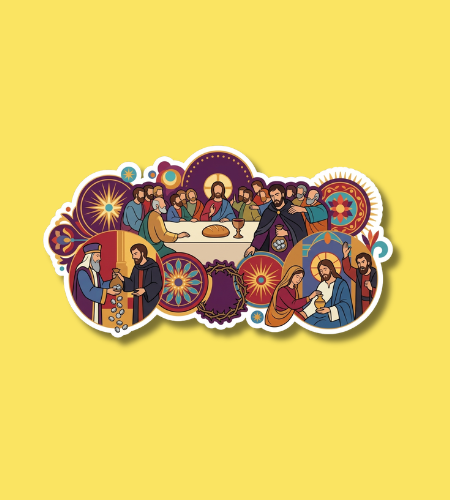
Holy Wednesday, also known as Spy Wednesday, is a solemn religious observance in the Christian liturgical calendar that marks the midpoint of Holy Week on the Wednesday before Easter. It serves as a day of reflection on the events leading to the crucifixion of Jesus, specifically focusing on the betrayal by one of his disciples. In 2026, the observance falls on April 1, which lands on a Wednesday. This day acts as the final transition into the Paschal Triduum, the three most sacred days of the church year beginning on Maundy Thursday. For many denominations, Holy Wednesday is a time of increased prayer, fasting, and preparation for the profound narratives of the passion and resurrection that define the Easter season.
Read also about Holy Monday and Holy Tuesday, Maundy Thursday
Table of Contents
History of Holy Wednesday
The historical and biblical significance of Holy Wednesday centers on the “Agreement of Betrayal” described in the Gospels of Matthew, Mark, and Luke. According to these accounts, Judas Iscariot went to the chief priests and conspired to hand over Jesus in exchange for thirty pieces of silver. The nickname “Spy Wednesday” originates from this act of clandestine subversion, as Judas began looking for a secretive opportunity to betray his teacher without causing a public riot. This event is viewed as the dark catalyst that set the legal and physical trials of Jesus into motion, leading directly to his arrest in the Garden of Gethsemane.
In the early Christian church, the observance of this day evolved to include specific liturgical practices that emphasized the theme of darkness and lamentation. By the Middle Ages, the service of Tenebrae (Latin for “shadows” or “darkness”) became a defining feature of the day. During this service, a series of candles are gradually extinguished until the church is left in near-total darkness, symbolizing the desertion of the disciples and the approaching death of Christ. This liturgical tradition has been preserved in many Catholic, Anglican, and Lutheran traditions, serving as a visceral historical reenactment of the sorrowful atmosphere of the first Holy Week.
Why is Holy Wednesday important?
This day is important because it forces a confrontation with the themes of betrayal, human frailty, and the moral complexities of the Passion story. By focusing on Judas’s decision, the observance invites individuals to reflect on their own lives and the ways in which they might “betray” their values or commitments. It provides a necessary emotional low point in the liturgical year, creating a stark contrast to the joy of Palm Sunday and the eventual victory of Easter Sunday. Without the solemnity of Holy Wednesday, the narrative arc of the Christian faith would lack the gravity required to understand the depth of the sacrifice being commemorated.
Furthermore, Holy Wednesday serves as a crucial day of spiritual and physical preparation for the Triduum. It is the time when the final preparations for the Paschal feast are made, and the “Holy Oils” are often blessed by bishops in a special Chrism Mass to be used for sacraments throughout the coming year. For the faithful, the day is a reminder of the proximity of the divine and the mundane, showing how a single moment of greed or fear can change the course of history. It reinforces the necessity of vigilance and the importance of loyalty, setting a meditative tone that prepares the heart for the intense religious services of the following three days.
- It marks the somber moment of the betrayal of Jesus for thirty pieces of silver.
- The day invites deep personal reflection on themes of loyalty and forgiveness.
- It sets the stage for the most sacred three days of the Christian calendar.
- The Tenebrae service provides a powerful visual metaphor for spiritual darkness.
- Many communities use this day to provide charity for those in need before Easter.
How to Celebrate Holy Wednesday
Observing Holy Wednesday is characterized by a shift toward more intense prayer and traditional liturgical services. Many people attend a Tenebrae service in the evening, where they sit in a darkening sanctuary to hear readings from the Book of Lamentations and the Psalms. It is also common for individuals to seek the Sacrament of Reconciliation (Confession) on this day, seeking spiritual cleansing before the start of the Triduum. In many homes, the day is marked by a “limpia” or house cleaning, symbolizing the removal of spiritual and physical clutter in anticipation of the resurrection.
In some cultures, especially in the Philippines and parts of Latin America, the day is marked by “Panata” or solemn processions featuring statues that depict various scenes from the Passion. Families may gather to read the “Pasyon,” a narrative poem about the life of Christ, or participate in communal fasts. For those who cannot attend formal services, observing the day can be as simple as spending time in silent meditation or reading the Gospel accounts of the betrayal. The focus remains on inward preparation, ensuring that the distractions of daily life are set aside to honor the gravity of the upcoming Easter events.
- Attend a Tenebrae service to experience the traditional “Service of Shadows.”
- Spend time in quiet prayer or meditation on the theme of faithfulness.
- Read the Gospel accounts of the betrayal in Matthew 26 or Mark 14.
- Prepare your home for the Easter weekend through symbolic cleaning or tidying.
- Practice a small act of fasting or abstinence to mirror the solemnity of the day.
Subscribe to our newsletter and never miss a holiday again!