
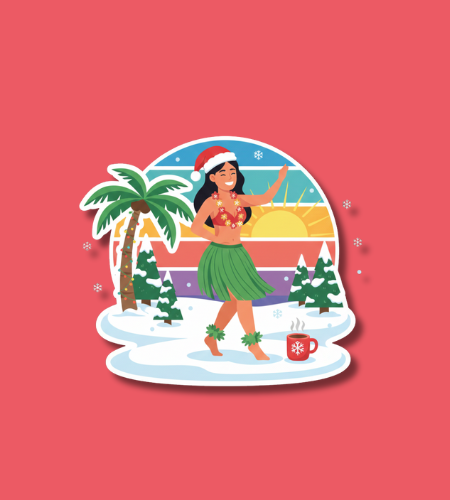
Hula in the Coola Day is observed on February 1. This day is a lighthearted winter tradition that encourages people in colder climates to defy the freezing temperatures by embracing Hawaiian culture and tropical themes. By setting aside a day for “hula in the coola,” participants aim to break the monotony of winter and boost their mood through movement and imagination. It serves as a playful reminder that a tropical state of mind can provide a mental escape from the gray skies and snow typical of early February.
Table of Contents
History of Hula in the Coola Day
The origins of Hula in the Coola Day can be traced back to around 2013, appearing first in lifestyle blogs and community forums in the northern United States. A blogger from Michigan is often credited with popularizing the concept of dancing the hula outside in sub-zero temperatures as a humorous way to combat “cabin fever.” The idea resonated with residents of snowy regions who were looking for creative ways to navigate the mid-winter slump. While it lacks a formal founding organization, the day quickly spread through social media as people began sharing photos of themselves in grass skirts and leis standing in the snow.
Though the holiday itself is a modern, whimsical invention, it draws inspiration from the ancient Hawaiian tradition of hula. Hula was originally a sacred practice used to document history and genealogy before the existence of a written language in the islands. Over the centuries, the dance evolved from a religious ritual performed for gods and chiefs into a global symbol of Hawaiian hospitality. Hula in the Coola Day pays a lighthearted tribute to this resilient art form, using its graceful rhythms to bring a sense of warmth and aloha to the coldest day of the year.
Why is Hula in the Coola Day important?
Hula in the Coola Day is important because it provides a psychological break from the persistent cold and isolation often felt during the peak of winter. Engaging in silly or joyful activities is a proven way to reduce stress and combat seasonal affective disorder. By “thumbing their noses” at the winter weather, participants reclaim a sense of agency over their environment. This collective act of playfulness fosters a sense of community among friends and neighbors who are all enduring the same harsh climate.
The day also serves as an entry point for people to learn more about the authentic history of Hawaii beyond the “tiki” stereotypes. While the holiday is designed for fun, it creates a moment to acknowledge the depth of hula as a storytelling medium that reflects the natural world, from the flow of lava to the swaying of palm trees. Recognizing the cultural significance of the dance helps ensure that the celebration remains respectful. It highlights how music and movement can bridge the gap between vastly different geographic locations and climates.
- It encourages physical activity during a season when many people are sedentary.
- The day helps lift spirits and provides a mental escape from winter blues.
- It promotes a sense of humor and resilience in the face of harsh weather.
- Awareness of the day can lead to a deeper interest in Hawaiian history and art.
- It provides a unique theme for social gatherings and community bonding.
How to Celebrate (or Observe) Hula in the Coola Day
To celebrate this day, the primary tradition involves donning tropical attire like grass skirts, leis, and colorful shirts over your winter gear. Many people host “backyard luas” where they step out into the snow for a few minutes to perform basic hula steps, such as the kaholo or hela. Taking a photo or video of your “tropical” dance in the middle of a winter landscape is the hallmark of the holiday. If the weather is too extreme for outdoor activity, you can bring the tropics inside by decorating your home with artificial palm trees and flowers.
Another way to observe the day is to focus on the educational aspects of Hawaiian culture. You can look up videos of professional hula schools to see the difference between the traditional hula kahiko and the more modern hula auana. Listening to Hawaiian music or preparing tropical-inspired snacks like pineapple skewers or coconut water helps complete the atmosphere. For safety, it is recommended to avoid going barefoot in the snow; instead, wear warm shoes and limit your outdoor time to avoid frostbite while still capturing the spirit of the day.
- Put on a grass skirt or lei over your heavy winter coat for a photo.
- Step outside to perform a quick hula dance in the snow or cold air.
- Blend a tropical fruit smoothie or make a Hawaiian-inspired meal.
- Watch a documentary about the history and cultural impact of hula.
- Share your “hula in the coola” moment on social media to inspire others.
Hula in the Coola Day Dates Table
| Year | Date | Day |
|---|---|---|
| 2026 | February 1 | Sunday |
| 2027 | February 1 | Monday |
| 2028 | February 1 | Tuesday |
| 2029 | February 1 | Thursday |
| 2030 | February 1 | Friday |
Subscribe to our newsletter and never miss a holiday again!