
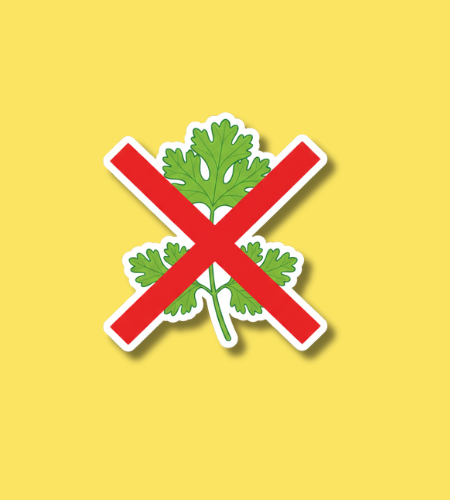
I Hate Coriander Day is celebrated annually on February 24. This day provides a platform for individuals who possess a specific biological aversion to the herb to express their distaste and connect with fellow detractors. While many enjoy the plant for its citrusy notes, a significant portion of the global population perceives its flavor as chemical or detergent-like, making this holiday a humorous yet scientifically grounded observance.
Table of Contents
History of I Hate Coriander Day
The origins of this observance are rooted in the digital age, specifically starting with the creation of a Facebook group titled “I Hate Coriander” in 2013. The group was founded to give people a dedicated space to vent about the herb’s presence in various dishes and to advocate for clearer labeling in restaurants. As the community grew to hundreds of thousands of members, the group designated February 24 as an official day to rally against the ingredient and share experiences of ruined meals.
While the social media movement is relatively new, the underlying reason for the day is tied to human biology. In 2012, researchers at the genetic testing company 23andMe identified a specific genetic link to the aversion. By surveying 50,000 participants, they found that certain individuals carry a variation in a cluster of olfactory receptor genes. This discovery transformed the “picky eater” stereotype into a recognized physiological phenomenon, providing the scientific foundation for the annual celebration.
Why is I Hate Coriander Day important?
This day is important because it highlights the role of genetics in sensory perception and culinary preference. The aversion is often linked to the OR6A2 gene, which allows some people to detect aldehydes—organic compounds also found in soaps and the defensive secretions of certain insects. For these individuals, the taste of coriander is not a matter of choice but a biological reaction that mimics the experience of eating cleaning products.
By observing this day, the hospitality industry and the general public gain a better understanding of dietary needs that are often dismissed as mere fussiness. It encourages chefs and food manufacturers to consider alternative herbs and to be more transparent about the ingredients used in their recipes. Furthermore, the holiday fosters a sense of solidarity among those who have spent years feeling alienated at dinner tables, turning a common frustration into a shared cultural joke.
- The holiday validates the physical reality of genetic taste variations
- It raises awareness for the OR6A2 gene and its impact on smell receptors
- People use the day to advocate for better menu descriptions in restaurants
- The event helps clarify the difference between coriander seeds and leaves
- It builds an international community based on a shared sensory experience
How to Celebrate I Hate Coriander Day
The most direct way to celebrate is by preparing or ordering a strictly coriander-free meal. Many participants visit their favorite restaurants and specifically request “no cilantro” to ensure their dining experience remains pleasant. Sharing “safe” recipes that substitute coriander with alternatives like flat-leaf parsley, chives, or mint is another popular way to observe the day. This allows individuals to enjoy global cuisines, such as Mexican or Thai, without the risk of encountering the polarizing herb.
Online engagement plays a major role in the festivities, with fans sharing memes, stories of culinary mishaps, and photos of their coriander-free meals. Some people even purchase themed merchandise to signal their membership in the “hater” community. For those who do not have the genetic trait, the day is an opportunity to learn about the science of taste and to be more accommodating to friends and family members who find the herb repulsive.
- Order your favorite dish with a specific request to omit all coriander
- Share your most memorable story of a meal ruined by the herb on social media
- Experiment with substituting parsley or basil in recipes that call for cilantro
- Check your spice cabinet and ensure your dried coriander is stored separately
- Connect with the online community to trade coriander-free restaurant tips
I Hate Coriander Day Dates Table
| Year | Date | Day |
|---|---|---|
| 2026 | February 24 | Tuesday |
| 2027 | February 24 | Wednesday |
| 2028 | February 24 | Thursday |
| 2029 | February 24 | Saturday |
| 2030 | February 24 | Sunday |
Subscribe to our newsletter and never miss a holiday again!