
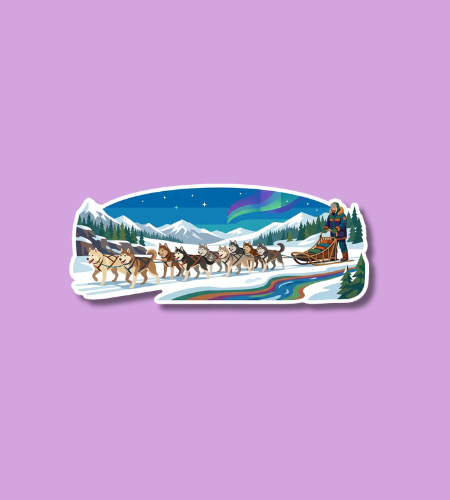
The Iditarod Trail Sled Dog Race is observed on the first Saturday of March to celebrate Alaska’s state sport and its historic trail system. In 2026, the ceremonial start in Anchorage falls on March 7, followed by the official competitive restart in Willow on March 8. This endurance event covers roughly 1,000 miles of frozen terrain, honoring the bond between humans and sled dogs as they navigate mountain ranges, frozen rivers, and dense forests between Anchorage and the gold rush town of Nome.
Table of Contents
History of Iditarod Trail Sled Dog Race
The race was established in 1973 by Joe Redington Sr. and Dorothy Page to preserve the tradition of dog mushing and gain national recognition for the Iditarod Trail. During the early 20th century, this trail served as a vital mail and supply route, connecting coastal ports to interior mining camps. By the 1960s, the emergence of snowmobiles threatened to make sled dogs obsolete in rural Alaska. Redington sought to save the Alaskan Husky breed and the unique culture surrounding it by creating a competitive event that would capture the world’s attention.
While often associated with the 1925 “Great Race of Mercy,” where dog teams delivered life-saving diphtheria serum to Nome, the modern race was specifically designed to highlight the trail’s role in the gold rush era. The first official race in 1973 was won by Dick Wilmarth, who completed the journey in 20 days. Since then, advancements in canine nutrition and training have drastically reduced finish times, with top teams now reaching the “Burled Arch” in Nome in under nine days.
Why is Iditarod Trail Sled Dog Race important?
The Iditarod is a fundamental part of Alaskan identity, serving as a living link to the state’s frontier history. It provides a platform for testing the limits of endurance, teamwork, and survival in some of the harshest environments on Earth. The race also drives significant scientific research into canine physiology, as the competing Alaskan Huskies are considered some of the most elite mammalian athletes in existence. Their ability to process energy and withstand extreme cold offers insights into biology that benefit both veterinary and human medicine.
Economically and socially, the race unites isolated rural villages along the trail, as checkpoints become hubs of activity and volunteerism. For many indigenous communities, the event is a celebration of a subsistence lifestyle that has relied on working dogs for thousands of years. It also promotes environmental stewardship, as the race highilights the impacts of changing weather patterns on the Alaskan wilderness and the seasonal ice used by the teams.
- The race is often called the Last Great Race on Earth due to its extreme difficulty.
- Each musher starts with a team of 12 to 16 dogs and must finish with at least five.
- A Red Lantern is awarded to the final finisher as a symbol of perseverance.
- More than 50 licensed veterinarians are stationed along the trail to monitor dog health.
- The trail alternates between a northern and southern route every other year.
How to Observe Iditarod Trail Sled Dog Race
Fans typically celebrate the start of the race by gathering in downtown Anchorage for the ceremonial start. Spectators line the snow-covered streets to cheer for their favorite mushers and meet the dogs before they head into the wilderness. To experience the competitive energy, enthusiasts travel to Willow for the official restart, where the clock begins. Many Alaskans host “Iditarod parties” where they follow the race via GPS trackers, cheering on mushers as they reach key checkpoints like Rainy Pass or Unalakleet.
For those observing from afar, the Iditarod Insider provides live video feeds and data from the trail. You can engage with the race by “adopting” a musher or a specific dog team to follow throughout the ten-day trek. Reading about the history of famous lead dogs like Togo and Balto offers a deeper perspective on the stakes involved. Support can also be shown by donating to the Iditarod Air Force, the volunteer pilots who fly food, supplies, and dropped dogs across the state during the event.
- Attend the Musher Banquet in Anchorage to see the starting positions drawn.
- Volunteer as a “dog handler” to help secure teams at the starting line.
- Follow the official GPS tracker to see real-time speeds and rest stops.
- Send a “trail mail” letter to be carried by a musher to the finish line.
- Visit the Iditarod Headquarters in Wasilla to see the race hall of fame.
Iditarod Trail Sled Dog Race Dates Table
| Year | Date | Day |
|---|---|---|
| 2026 | March 7 | Saturday |
| 2027 | March 6 | Saturday |
| 2028 | March 4 | Saturday |
| 2029 | March 3 | Saturday |
| 2030 | March 2 | Saturday |
Subscribe to our newsletter and never miss a holiday again!