
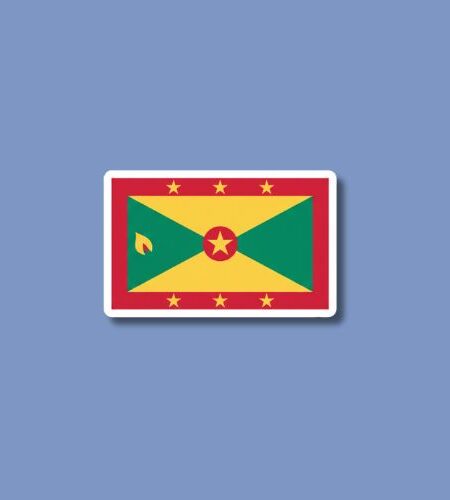
Independence Day in Grenada is celebrated on February 7. This national holiday commemorates the island’s transition to a sovereign state in 1974, ending over two centuries of British colonial rule. It is a day of intense national pride where the entire tri-island state of Grenada, Carriacou, and Petite Martinique reflects on its identity and achievements. Official ceremonies and social gatherings bring together citizens to honor the symbols of the nation, specifically the red, gold, and green national flag.
Table of Contents
History of Independence Day in Grenada
The path to sovereignty for Grenada was a protracted process that intensified during the mid-20th century. After being shifted between French and British control for generations, the island became an Associated State in 1967, which allowed for internal self-governance while Britain retained control over external affairs and defense. Eric Gairy, a prominent labor leader and head of the Grenada United Labour Party, became a central figure in the push for full independence. Despite significant internal political unrest and opposition from rival groups who feared his leadership style, Gairy successfully negotiated the terms of separation with the United Kingdom.
On the night of February 6, 1974, the Union Jack was lowered at Fort George in the capital city of St. George’s. At the stroke of midnight on February 7, the new national flag was raised for the first time, signaling the birth of the independent nation of Grenada. Gairy became the country’s first Prime Minister, and Grenada joined the Commonwealth as its smallest independent member at the time. This transition marked the final break from the colonial administrative structures that had shaped the island since the 17th century.
Why is Independence Day in Grenada important?
This day serves as the primary marker of Grenada’s self-determination and legal autonomy on the global stage. It is important because it provides a dedicated time for the population to celebrate their unique cultural heritage, which is a blend of African, European, and Indigenous influences. The observance fosters a sense of unity across the islands, reminding citizens of the resilience required to build a nation from a colonial plantation economy. It also honors the political pioneers and civil rights activists who campaigned for the rights of workers and the establishment of local democratic institutions.
Beyond the historical significance, the holiday plays a crucial role in maintaining national identity among the Grenadian diaspora. Celebrations held both on the island and in international cities like New York, London, and Toronto help preserve the customs and values of the “Spice Isle.” The day emphasizes the importance of the country’s main exports, such as nutmeg and cocoa, which are integrated into the festivities and symbols of the nation. It is a time when the achievements of Grenadian athletes, scholars, and artists are brought to the forefront as proof of the nation’s potential.
- It marks the formal end of 200 years of British colonial governance.
- The day reinforces a shared sense of national identity and unity.
- It recognizes the contributions of labor leaders to the independence movement.
- Highlighting the national flag and anthem encourages patriotic pride.
- The holiday provides a platform to showcase local economic and cultural growth.
How to Celebrate Independence Day in Grenada
The most prominent way to celebrate is by attending the military parade held at the National Stadium in St. George’s. This event features displays by the Royal Grenada Police Force, various youth organizations, and schools, accompanied by the sounds of steel pan music. Many citizens participate by wearing the national colors or traditional clothing made from fabric in red, gold, and green. Households and businesses often decorate their premises with small flags and bunting to show their support for the festivities.
Food is a central element of the celebration, with the national dish, Oil Down, being the centerpiece of most gatherings. This hearty one-pot meal made of breadfruit, salted meat, chicken, dumplings, and callaloo steamed in coconut milk is prepared at beach picnics and community cook-outs across the islands. Families often spend the day at the beach, participating in sailing regattas or enjoying live calypso and soca performances. It is also common for communities to organize clean-up campaigns or tree-planting events as a way to contribute to the nation’s physical beauty and environmental health.
- Wear the national colors of red, gold, and green to show pride.
- Prepare or share a meal of Oil Down with friends and family.
- Watch the official military and youth parade at the National Stadium.
- Decorate homes and vehicles with the Grenadian national flag.
- Attend a cultural showcase featuring local drumming and dance.
Independence Day in Grenada Dates Table
| Year | Date | Day |
|---|---|---|
| 2026 | February 7 | Saturday |
| 2027 | February 7 | Sunday |
| 2028 | February 7 | Monday |
| 2029 | February 7 | Wednesday |
| 2030 | February 7 | Thursday |
Subscribe to our newsletter and never miss a holiday again!