


Independence Day in Zimbabwe
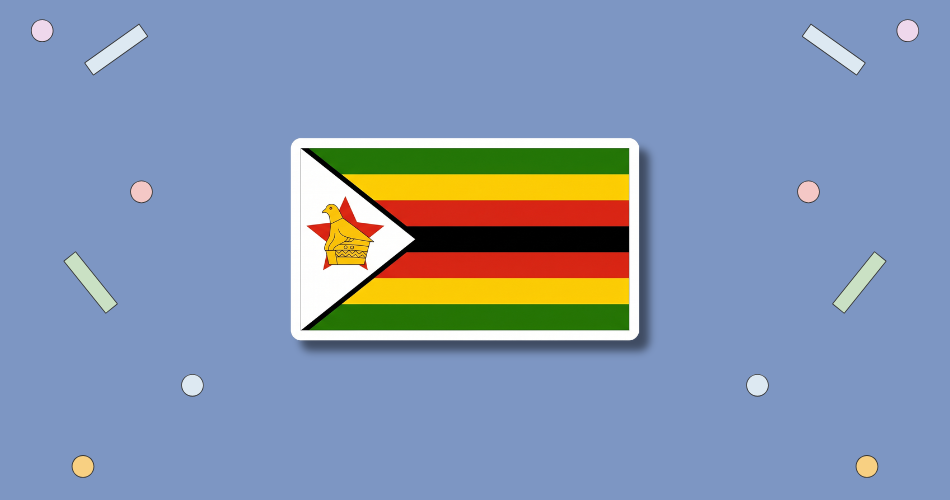
Independence Day in Zimbabwe is a national holiday commemorating the country’s liberation from British colonial rule, and it is observed on April 18. In 2027, this date falls on a Sunday. This day marks the official birth of the Republic of Zimbabwe in 1980, a pivotal moment that ended decades of white minority rule and replaced the colonial name of Rhodesia with a name derived from the historic stone city of Great Zimbabwe.
Contents
Read also about Zimbabwe Unity Day
HT Meter
Does this day matter to you?
Tap the meter if it does, and say whether you will be celebrating — that is what opens the wishes from everybody else who will be.
This day matters to me
0 Be the first to say so
Just getting started
0 Let others know you’re in.
Wishes, greetings and stories
Join the celebration to share a wish, a greeting, or how this day goes in your house.
These are kept for the people celebrating this day. Say you will be celebrating to read them and to add your own.
You have already shared something here recently.
Nothing here yet. Yours would be the first.
History of Independence Day in Zimbabwe
The journey toward sovereignty was marked by a protracted struggle known as the Second Chimurenga, or the Rhodesian Bush War. Following a unilateral declaration of independence by the white minority government in 1965, black nationalist groups organized a guerrilla campaign to demand majority rule. After years of intense conflict and international pressure, the Lancaster House Agreement was signed in late 1979, paving the way for the country’s first democratic elections and recognized independence.
Zimbabwe Unity Day
At midnight on April 18, 1980, the British Union Jack was lowered for the last time at Rufaro Stadium in Harare, and the new Zimbabwean flag was hoisted in its place. The ceremony was attended by dignitaries from around the world, including Prince Charles and Bob Marley, who performed a specially written song for the occasion. This transition represented the final collapse of British colonial administration in the region and established Robert Mugabe as the nation’s first prime minister.
Why is Independence Day in Zimbabwe important?
This day is important because it symbolizes the restoration of dignity and political self-determination for the indigenous people of Zimbabwe. It serves as a time to honor the thousands of freedom fighters and civilians who sacrificed their lives during the liberation war. By celebrating this anniversary, the nation reinforces its commitment to the ideals of equality and justice that were the driving forces behind the struggle for freedom.
The holiday also provides a platform for reflecting on national progress in education, healthcare, and infrastructure since 1980. It is an occasion where citizens from all ten provinces gather to express their shared national identity and cultural heritage. Despite economic and political shifts over the decades, the day remains a unifying touchstone that reminds the population of the resilience and unity required to build an independent state.
- It commemorates the end of over 90 years of British colonial influence.
- The day honors the veterans and heroes of the liberation struggle.
- It celebrates the adoption of the national flag and the name “Zimbabwe.”
- It provides a moment for the president to outline the nation’s future goals.
- The holiday encourages the preservation of diverse indigenous cultures and traditions.
How to Celebrate Independence Day in Zimbabwe
Make it yours
How would you like to spend Independence Day in Zimbabwe?
Tick what fits you, and we will put together ideas made for this day — not for any day.
Zambia Independence Day
The main celebrations take place at the National Sports Stadium in Harare, where the president delivers a keynote address and lights the “Independence Flame.” This flame is carried across the country by a relay of runners, symbolizing the spread of freedom to every corner of the nation. Spectators at the stadium and at satellite venues in other provinces are treated to elaborate military parades, air force flyovers, and synchronized displays by the police and armed forces.
Beyond the formal ceremonies, the day is filled with vibrant cultural performances, including traditional music and dance from various ethnic groups such as the Shona and Ndebele. Popular festivities often include high-profile soccer matches and concerts featuring local “Zimdancehall” or Sungura artists. Families typically gather for large feasts featuring sadza, a staple maize meal, along with roasted meats and vegetables, sharing stories of the past with younger generations.
- Watch the military parade and presidential speech at a local stadium.
- Attend a soccer match between top national teams held in honor of the day.
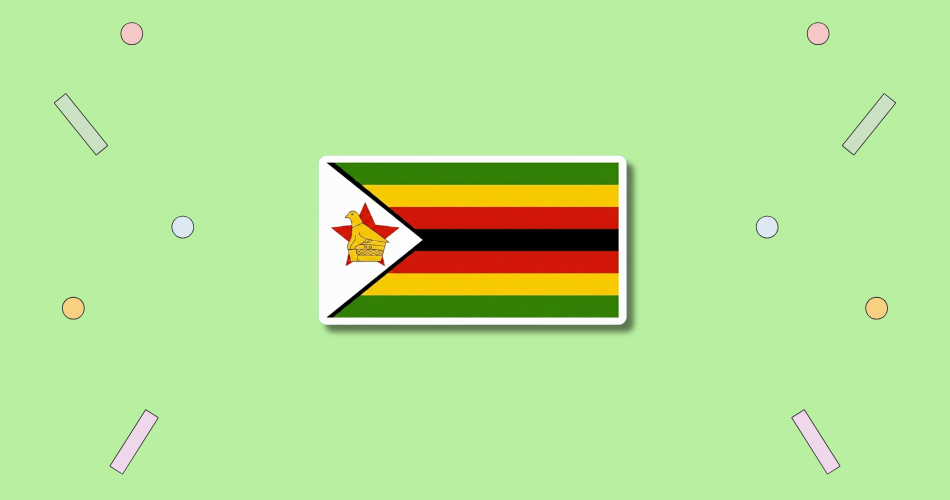
- Wear the national colors—green, gold, red, and black—to show patriotic pride.
- Prepare a traditional feast with family to celebrate Zimbabwean heritage.
- Listen to liberation war songs and contemporary music at community concerts.
Independence Day in Zimbabwe Dates Table
| Year | Date | Day of the week |
|---|---|---|
| 2026 | April 18 | Saturday |
| 2027 next | April 18 | Sunday |
| 2028 | April 18 | Tuesday |
| 2029 | April 18 | Wednesday |
| 2030 | April 18 | Thursday |