
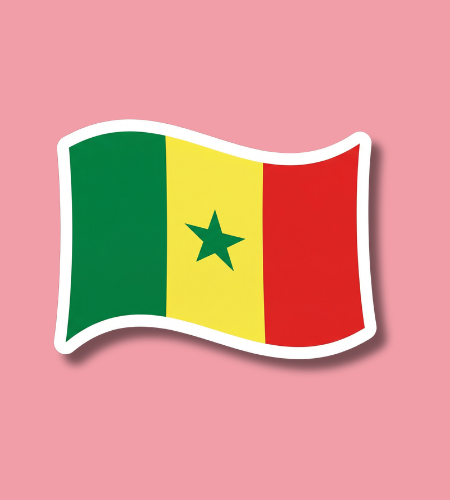
The Independence Day of Senegal is celebrated annually on April 4. This public holiday commemorates the country’s struggle for self-determination and its official transition to a sovereign state. It is a day of intense national pride, marked by colorful parades, musical performances, and a collective reflection on the country’s progress and unity since the end of colonial rule.
Table of Contents
History of Independence Day of Senegal
Senegal’s path to independence was characterized by diplomatic negotiation rather than armed conflict. For centuries, the region was a focal point for European trade, eventually becoming a French colony. In the mid-20th century, the push for autonomy grew under the leadership of Léopold Sédar Senghor. In 1959, Senegal joined with the French Soudan (now Mali) to form the Mali Federation. This union was short-lived, but it served as the final step toward full separation from France.
On April 4, 1960, Senegal signed an agreement with France that transferred all powers to the new republic. Although the federation officially collapsed in August of that year, April 4 remained the primary date of celebration as it marked the legal moment of independence. Léopold Sédar Senghor became the nation’s first president, and his philosophy of “Négritude”—celebrating African identity and culture—became a foundational element of the new nation’s social fabric.
Why is Independence Day of Senegal important?
This day is important because it reinforces the concept of “Teranga,” a Wolof word meaning hospitality and community, which is central to Senegalese identity. The holiday allows the diverse ethnic groups within the country, including the Wolof, Fula, and Serer, to unite under a single flag and celebrate their shared history. It serves as an annual reminder of the peaceful transition to power and the democratic stability that has largely defined Senegal compared to many of its neighbors.
Beyond the historical significance, the day is a celebration of the country’s cultural influence in West Africa and the world. From its world-renowned music and literature to its vibrant textile arts, Senegal uses this day to showcase its creative achievements. It is also a time for the government to highlight national development goals and for citizens to honor the military and civil servants who maintain the country’s peace and security.
- It strengthens the sense of national identity across various ethnic and linguistic groups.
- The holiday honors the peaceful diplomatic efforts of the country’s founding fathers.
- It provides a platform to showcase Senegalese music, dance, and traditional clothing.
- Public speeches on this day often focus on future economic and social progress.
- The celebration promotes the values of democracy and regional stability in West Africa.
How to Celebrate Independence Day of Senegal
The most prominent way to celebrate is by attending the massive military and civilian parade held at the Place de l’Indépendance in Dakar. This event features precision marching by the Senegalese Armed Forces, traditional dance troupes, and school children dressed in the national colors of green, yellow, and red. Similar parades and smaller festivals take place in regional capitals like Saint-Louis and Ziguinchor, ensuring the celebration reaches every corner of the country.
Families typically gather for large communal meals featuring national dishes such as Thieboudienne (fish and rice) or Yassa (spiced chicken or fish with onions). Music is an essential part of the day, with sounds of the kora and sabar drums filling the air during street parties. Many people also take the time to visit historical sites or attend lectures that focus on the history of the independence movement. Wearing traditional garments, such as the boubou, is a common way for individuals to visually express their patriotism.
- Watch the official national parade broadcast live from the capital city of Dakar.
- Prepare a traditional meal like Thieboudienne to share with friends and neighbors.
- Listen to the music of Senegalese legends like Youssou N’Dour or Baaba Maal.
- Attend a local community concert featuring traditional drumming and dancing.
- Decorate homes and businesses with the Senegalese national flag.
Independence Day of Senegal Dates Table
| Year | Date | Day |
|---|---|---|
| 2026 | April 4 | Saturday |
| 2027 | April 4 | Sunday |
| 2028 | April 4 | Tuesday |
| 2029 | April 4 | Wednesday |
| 2030 | April 4 | Thursday |
Subscribe to our newsletter and never miss a holiday again!