

International Beaver Day is observed on April 7. This day highlights the ecological importance of beavers and encourages the protection of their natural habitats. Known as nature’s engineers, beavers play a vital role in maintaining wetlands and supporting biodiversity. The celebration serves as a reminder of how these rodents help manage environment health through their natural building habits.
Read also about World Otter Day and International Red Panda Day
Table of Contents
History of International Beaver Day
The organization Beavers: Wetlands & Wildlife established this holiday in 2009. They chose the date to honor the birthday of Dorothy Richards, an American naturalist born in 1894. Richards spent fifty years studying beavers at the Beaversprite Sanctuary in the Adirondack Mountains of New York. Her work was instrumental in changing public perception of beavers from pests to essential environmental guardians. Through her research and writing, she demonstrated that coexisting with these animals provides significant benefits to local ecosystems. 1
Historically, beavers faced extreme challenges due to the fur trade. In the early 1800s, North America had approximately 60 million beavers, but hunting and trapping brought them close to extinction. By the time conservation efforts began, the population had plummeted. Today, there are roughly 6 million beavers in North America. The creation of a dedicated day helps continue the work of pioneers like Richards by educating the public on why these animals must be protected from further decline.
Why is International Beaver Day important?
Beavers are considered a keystone species because their activities create entire ecosystems that other animals rely on for survival. When beavers build dams, they slow down the flow of water and create ponds and wetlands. These areas act as natural filters, removing pollutants and sediment from the water. This process improves water quality for fish, birds, and even human communities downstream. The presence of a beaver colony can transform a dry landscape into a lush, biodiverse environment.
Their dams also provide a natural defense against environmental disasters. By holding water on the land, beaver ponds help recharge groundwater supplies and mitigate the effects of droughts. During periods of heavy rain, these same structures slow down rushing water, which can prevent or reduce the severity of downstream flooding. Protecting beavers ensures that these natural water management systems continue to function without the need for expensive man-made infrastructure.
- Beaver dams create essential wetlands that support rare plants and animals.
- Wetlands formed by beavers help store carbon and combat climate change.
- Beaver ponds provide a reliable water source for livestock and wildlife during dry seasons.
- The structures built by beavers help reduce soil erosion in riverbeds.
- Beavers are one of the few animals capable of significantly modifying their environment to benefit other species.
Interesting facts about beavers
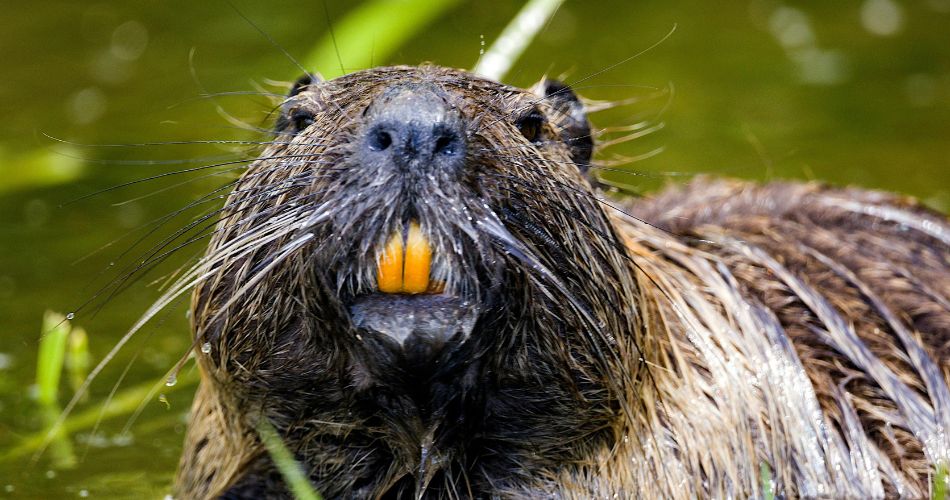
- Beavers are the only animals, besides humans, capable of significantly transforming their entire ecosystem by building massive dams that create new wetlands.
- Orange Enamel
Their teeth are literally reinforced with iron, which makes them incredibly strong and gives them a distinct, rusty orange color. - Ever-Growing Tools
A beaver’s incisors never stop growing; they stay sharp and functional only because the constant gnawing on wood wears them down. - Built-in Goggles
They possess a third transparent eyelid, known as a nictitating membrane, which allows them to see perfectly while swimming underwater. - The Giant Ancestor
During the Ice Age, giant beavers (Castoroides) roamed North America, reaching lengths of up to 2.5 meters and weighing as much as a black bear. - Internal Scuba Gear
They can hold their breath for up to 15 minutes, and their heart rate slows down significantly to conserve oxygen during long dives. - Valuable “Vanilla”
They produce a chemical compound called castoreum, which has a scent similar to vanilla and was historically used in expensive perfumes and food flavorings. - Beavers have a specialized “comb-claw” on their hind feet used to spread oily secretions from their scent glands across their fur, making it entirely waterproof.
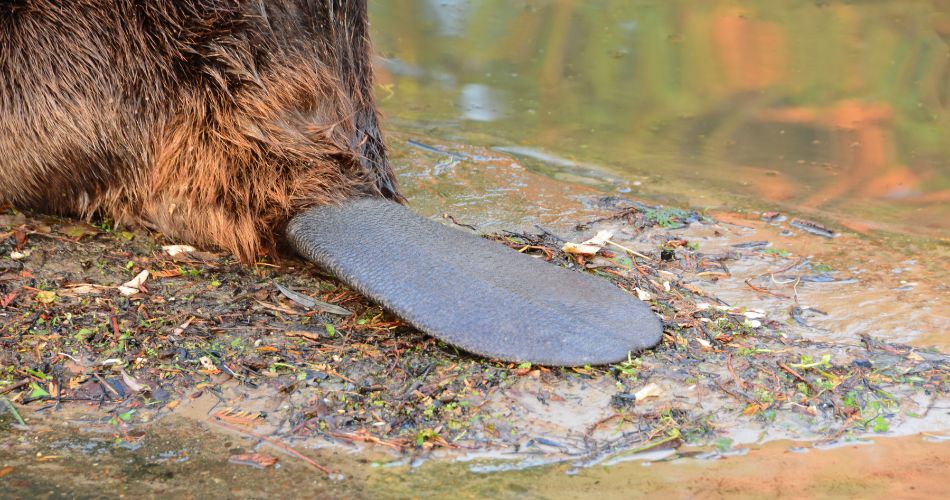
- Their flat, scaly tail acts as a rudder for steering, a kickstand for balance on land, and a loud warning signal when slapped against the water’s surface.
- Winter Food Fridges
They stick branches into the cold mud at the bottom of deep water, creating a “refrigerator” that keeps their food fresh and accessible even when the surface is frozen solid.
How to Observe International Beaver Day
Observing this day often involves spending time in nature to see the work of these animals firsthand. Many people visit local parks or nature reserves known for beaver activity to look for lodges and dams. It is best to go during dawn or dusk when beavers are most active. Taking photos from a distance and sharing them on social media helps raise awareness about the presence of these animals in local waterways. Participating in a guided nature walk led by a biologist can provide deeper insight into how a specific colony is helping the local area.
Educational activities are also a major part of the day. Libraries and nature centers frequently host displays or presentations about beaver biology and their engineering skills. For those who cannot travel to a pond, reading books like Dorothy Richards’ memoirs or watching documentaries about wetland restoration are great ways to learn. Supporting organizations that work on “beaver-friendly” land management policies also makes a long-term impact. This might involve advocating for the use of flow devices that prevent flooding without harming the beaver colony.
- Visit a local pond or stream to look for signs of beaver activity like chewed stumps.
- Donate to wildlife organizations that focus on wetland preservation and beaver protection.
- Share facts about beaver engineering on social media to educate friends and family.
- Install bird feeders near wetland areas to support the species that live alongside beavers.
- Read about the history of the North American fur trade to understand past conservation struggles.
International Beaver Day Dates Table
| Year | Date | Day |
|---|---|---|
| 2026 | April 7 | Tuesday |
| 2027 | April 7 | Wednesday |
| 2028 | April 7 | Friday |
| 2029 | April 7 | Saturday |
| 2030 | April 7 | Sunday |
Subscribe to our newsletter and never miss a holiday again!