
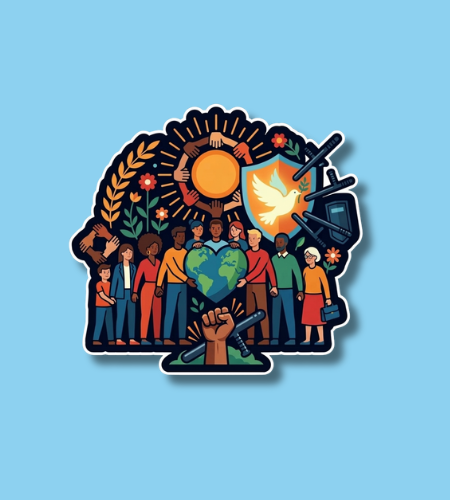
International Day Against Police Brutality is observed on March 15. This day serves as a global focal point for solidarity against the excessive use of force by law enforcement and highlights the importance of protecting human rights within the justice system.
Read also about Black Lives Matter Day
Table of Contents
History of International Day Against Police Brutality
This observance first began in 1997 as a joint initiative between the Collective Opposed to Police Brutality in Montreal, Canada, and the Black Flag group in Switzerland. The founders established the day to protest systemic misconduct and to provide a platform for victims of state-sanctioned violence to share their stories. March 15 was specifically chosen to commemorate an incident in Switzerland where two children, aged 11 and 12, were reportedly mistreated by police.
Over the years, the day has evolved from localized protests into an international movement involving activists, legal observers, and human rights organizations. While the primary march continues to be a major annual event in Montreal, cities across Europe, South America, and Africa also hold rallies and educational workshops. The day remains unaffiliated with any government body, maintaining its status as a grassroots effort to demand accountability and transparency in policing practices worldwide.
Why is International Day Against Police Brutality important?
This day is important because it brings global attention to the physical, emotional, and social consequences of unlawful force. When law enforcement agencies operate without sufficient oversight, the resulting misconduct can lead to severe injury, loss of life, and the erosion of public trust. This observance emphasizes that police power must be governed by international legal standards and that no individual should be above the law. It provides a necessary space for communities to advocate for reforms such as body-worn cameras, independent review boards, and improved de-escalation training.
The day also highlights the intersection of discrimination and policing, noting that marginalized groups often face a disproportionate amount of scrutiny and aggression. By fostering a dialogue about human rights, the holiday helps to educate the public on their legal rights during encounters with authority. It serves as a reminder that the goal of law enforcement should be the protection of all citizens and that achieving true public safety requires a foundation of mutual respect and institutional integrity.
- It encourages the reporting of misconduct to ensure accountability.
- The day supports the development of non-violent policing strategies.
- It provides a voice for victims and families affected by state violence.
- Awareness programs help citizens understand their constitutional protections.
- The observance promotes transparency in how law enforcement agencies are funded.
How to Observe International Day Against Police Brutality
Observing this day involves educating yourself and others about current police reform efforts and civil liberties. You can start by attending a local town hall or a virtual seminar led by human rights advocates to learn about the specific challenges facing your community. Many participants use the day to review local laws regarding the use of force and to support organizations that provide legal aid to victims of misconduct. It is also an appropriate time to study the history of civil rights movements that have successfully advocated for justice system changes.
Engagement on social media is a common way to show solidarity, with many people sharing resources on how to safely document police interactions. Some communities organize peaceful vigils or silent protests to honor those who have been injured or killed due to excessive force. You might also consider donating to or volunteering with local “Copwatch” programs, which involve trained civilians monitoring police activity to ensure procedures are followed correctly. The focus of the day is on promoting a safer, more equitable society where the rule of law protects everyone.
- Research the civilian oversight mechanisms available in your city.
- Watch a documentary about global human rights and criminal justice.
- Share information about “Know Your Rights” workshops with friends.
- Support local legislation that requires higher transparency in police records.
- Listen to the experiences of community members seeking justice reform.
International Day Against Police Brutality Dates Table
| Year | Date | Day |
|---|---|---|
| 2026 | March 15 | Sunday |
| 2027 | March 15 | Monday |
| 2028 | March 15 | Wednesday |
| 2029 | March 15 | Thursday |
| 2030 | March 15 | Friday |
Subscribe to our newsletter and never miss a holiday again!