
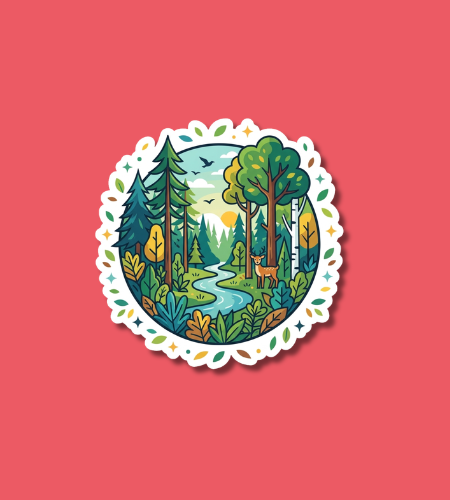
International Day of Forests (World Forestry Day) is observed on March 21 each year to raise awareness about the vital importance of all types of woodlands and trees to the planet. This global observance was established to encourage local, national, and international efforts to organize activities involving forests, such as tree-planting campaigns and educational exhibits.
Read also about World Rainforest Day
Table of Contents
History of International Day of Forests
The origins of this day trace back to the 23rd General Assembly of the European Confederation of Agriculture in 1971, which established World Forestry Day. Later, the United Nations General Assembly formally merged several related observances to create the International Day of Forests on November 28, 2012. The first official global celebration took place in 2013, overseen by the United Nations Forum on Forests and the Food and Agriculture Organization (FAO) in collaboration with governments and international organizations.
The creation of the day was a response to the alarming rates of global deforestation and the resulting impact on climate change. By dedicating a specific date to forests, the international community aimed to highlight the role of trees in sustaining the world’s biodiversity and providing a safety net for millions of people. Each year, the UN selects a specific theme to focus on, such as sustainable production, health, or innovation, though the core mission remains the permanent protection of forest ecosystems for future generations. 1
Why is International Day of Forests important?
This day is significant because forests are the most biologically diverse ecosystems on land, home to more than 80% of the terrestrial species of animals, plants, and insects. They act as “carbon sinks,” absorbing vast amounts of carbon dioxide from the atmosphere and playing a crucial role in mitigating global warming. Beyond their environmental impact, forests provide essential resources such as clean water, food, and medicine, supporting the livelihoods of nearly 1.6 billion people worldwide, including many indigenous communities.
The observance also emphasizes the economic necessity of sustainable forest management. Healthy forests provide raw materials for housing, paper, and energy, but they must be managed carefully to ensure they can regenerate. By bringing attention to the threats of illegal logging and wildfires, the day encourages the implementation of better conservation policies. It serves as a reminder that the health of the human population is inextricably linked to the health of the world’s trees and the air they purify.
- It highlights the role of trees in filtering and cleaning our air and water.
- The day promotes the conservation of habitat for endangered wildlife.
- It raises awareness about the impact of deforestation on the global climate.
- The observance supports the rights of communities that live within forest regions.
- It encourages the use of sustainable wood products in construction and design.
How to Celebrate International Day of Forests
Many people celebrate by participating in community tree-planting events or volunteering for local park restoration projects. Spending time in a forest, whether through hiking, birdwatching, or “forest bathing,” is a popular way to reconnect with nature and appreciate the quiet complexity of woodland environments. For those in urban areas, visiting an arboretum or a local botanical garden can provide a similar educational experience regarding different tree species and their benefits to the city.
Education is also a key component of the celebration, with schools often organizing field trips to wooded areas or hosting guest speakers from forestry departments. Individuals can observe the day by making small changes at home, such as opting for digital receipts to save paper or ensuring that the wood products they purchase are certified by the Forest Stewardship Council (FSC). Sharing information about the benefits of forests on social media helps spread the message to a wider audience and encourages collective action for conservation.
- Plant a native tree in your backyard or a designated community area.
- Go for a hike in a nearby state or national forest.
- Learn to identify the different types of trees in your neighborhood.
- Reduce your paper consumption by switching to digital alternatives.
- Donate to an organization dedicated to reforestation and forest protection.
International Day of Forests Dates Table
| Year | Date | Day |
|---|---|---|
| 2026 | March 21 | Saturday |
| 2027 | March 21 | Sunday |
| 2028 | March 21 | Tuesday |
| 2029 | March 21 | Wednesday |
| 2030 | March 21 | Thursday |
Subscribe to our newsletter and never miss a holiday again!